
Grocery
Tomato Paste Concentrate
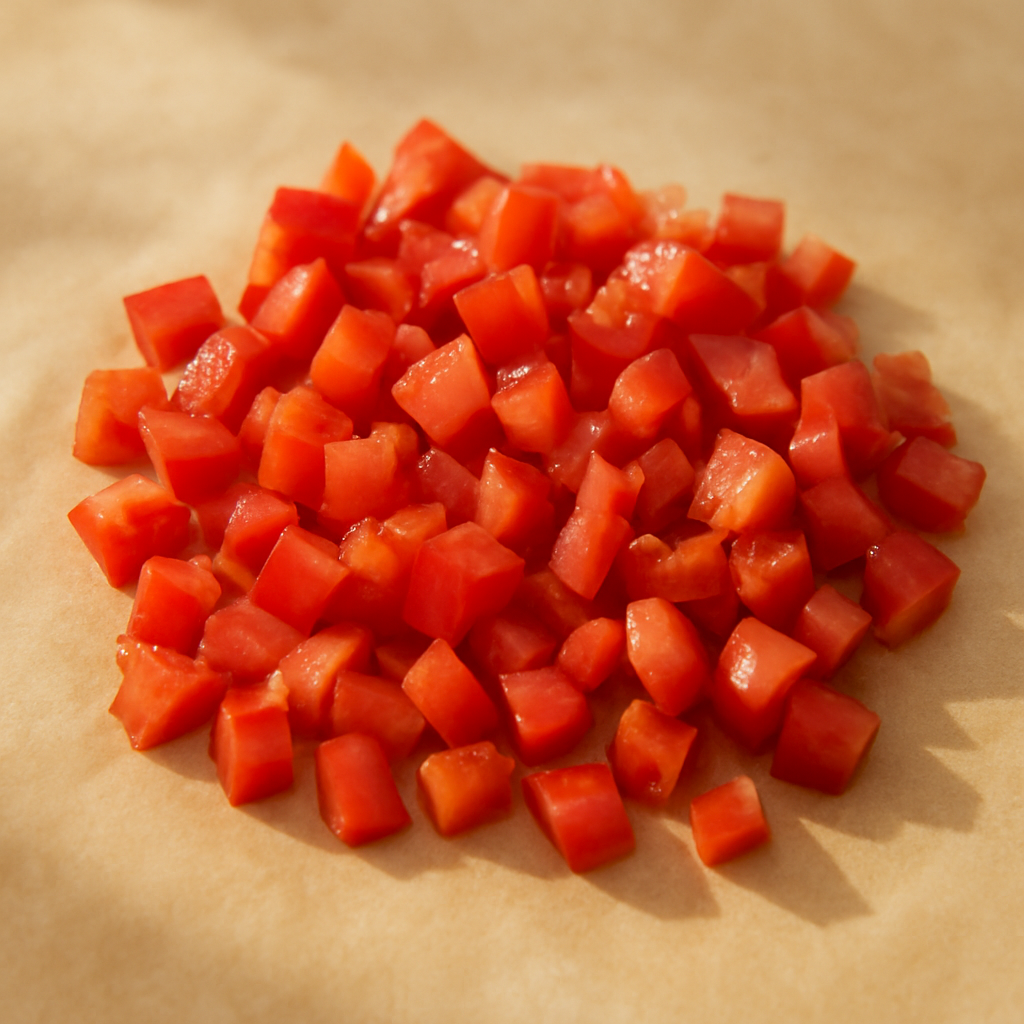
What it is
This is a highly concentrated form of tomato, achieved by cooking down tomatoes to remove most of their water content. It has a deep red color and an intense, rich tomato flavor. It is a fundamental ingredient in many cuisines, providing a robust base for sauces, stews, and braises. Its thick consistency allows it to meld seamlessly into dishes, adding depth and complexity without diluting other flavors. It is a pantry staple for home cooks and professional chefs alike.
How people cook with it
Tomato paste is a versatile ingredient that adds a concentrated tomato flavor to a wide range of dishes.
- Sauce base
- Stew thickener
- Marinade component
- Flavor enhancer
To use tomato paste, you typically start by sautéing it in a bit of oil or butter over medium heat for a minute or two. This process, often called 'blooming,' helps to deepen its flavor and reduce any raw, metallic notes. It is then incorporated into the main body of the dish, whether that's a simmering sauce, a hearty stew, or a slow-cooked braise. It can also be mixed with other liquids to form the base of a marinade or used to add a rich tomato undertone to soups and gravies. Its concentrated nature means a little goes a long way.
How it differs from similar foods
Unlike diced or crushed tomatoes, tomato paste is significantly thicker and more intensely flavored due to the removal of water. This makes it ideal for building a deep, foundational tomato taste without adding excess liquid to a dish. Its concentrated essence provides a richer, more complex flavor profile than less processed tomato products.
Who it is for
Home cooks and professional chefs use tomato paste to add depth and richness to their cooking.
How to keep the rest
After opening, transfer any unused tomato paste to an airtight container or resealable bag. It can be stored in the refrigerator for up to a week. For longer storage, consider freezing portions of the paste in ice cube trays; once frozen, transfer the cubes to a freezer bag.