
Grocery
Frozen Salmon Fillets
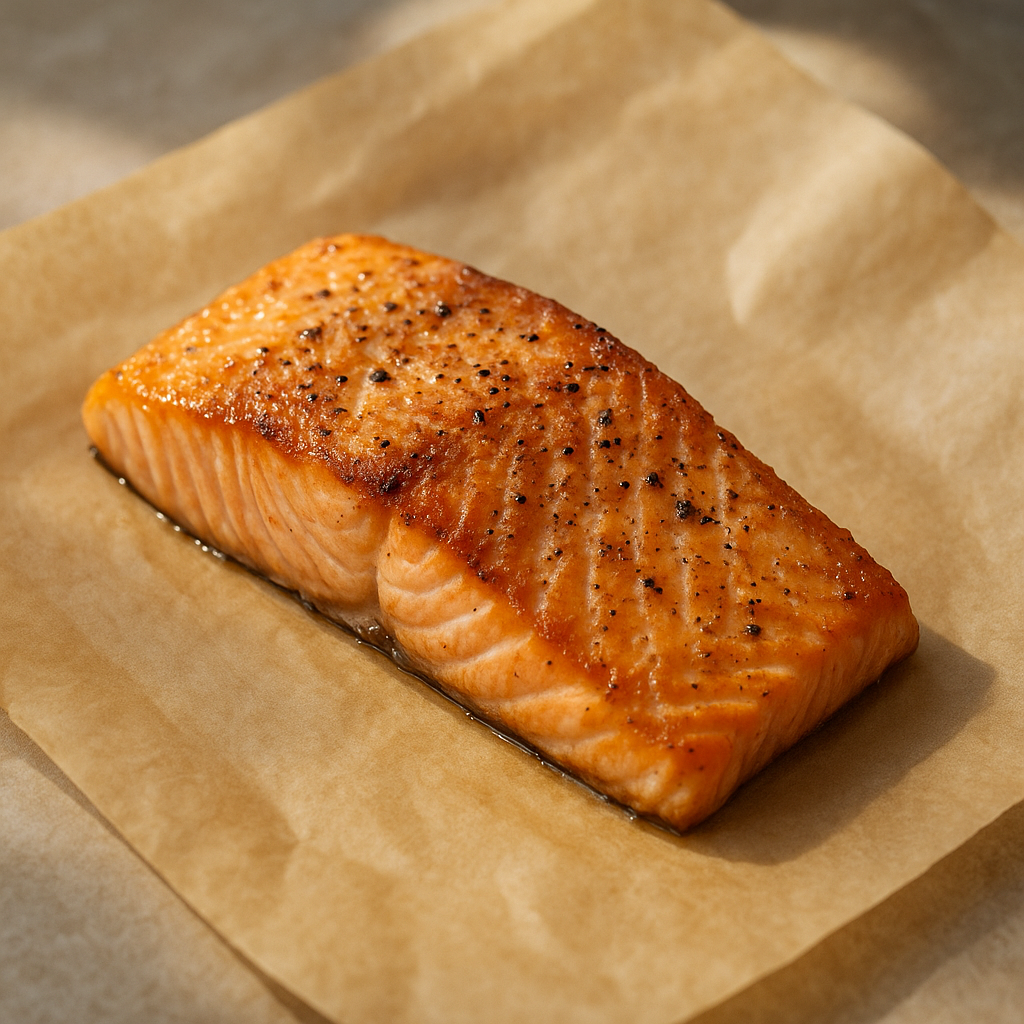
What it is
These are pre-portioned salmon fillets, individually frozen to preserve freshness. They come from the cold waters of Alaska, known for producing high-quality fish. The fillets are typically skin-on, which can add flavor and help keep the fish moist during cooking. They are a convenient way to enjoy salmon without needing to purchase a whole fish or larger cuts.
How people cook with it
Frozen salmon is a versatile ingredient that can be prepared in many ways. It is a popular choice for weeknight meals due to its quick cooking time.
- Baked with lemon and herbs
- Pan-seared for a crispy skin
- Grilled for a smoky flavor
- Added to salads or pasta dishes
To cook, thaw the salmon fillets completely in the refrigerator overnight or under cold running water. For baking, place the thawed fillets on a baking sheet, season with salt, pepper, and your favorite herbs, and bake at around 400°F (200°C) until opaque and flaky. Pan-searing involves cooking the fillets in a hot, oiled skillet, skin-side down first, until the skin is crisp and the flesh is cooked through. Grilling requires direct heat and careful monitoring to prevent overcooking.
How it differs from similar foods
Compared to fresh salmon, frozen fillets offer extended shelf life and the convenience of having portions ready when needed. The freezing process is designed to maintain the texture and flavor profile of the fish, making it a comparable option to fresh for many cooking applications.
How to keep the rest
After thawing, keep any unused portions refrigerated and consume within one to two days. If the fillets are still frozen, store them in the freezer at 0°F (-18°C) or below. Ensure the packaging is sealed to prevent freezer burn.