
Butcher Boy
Butcher Boy Coconut Oil
What it is
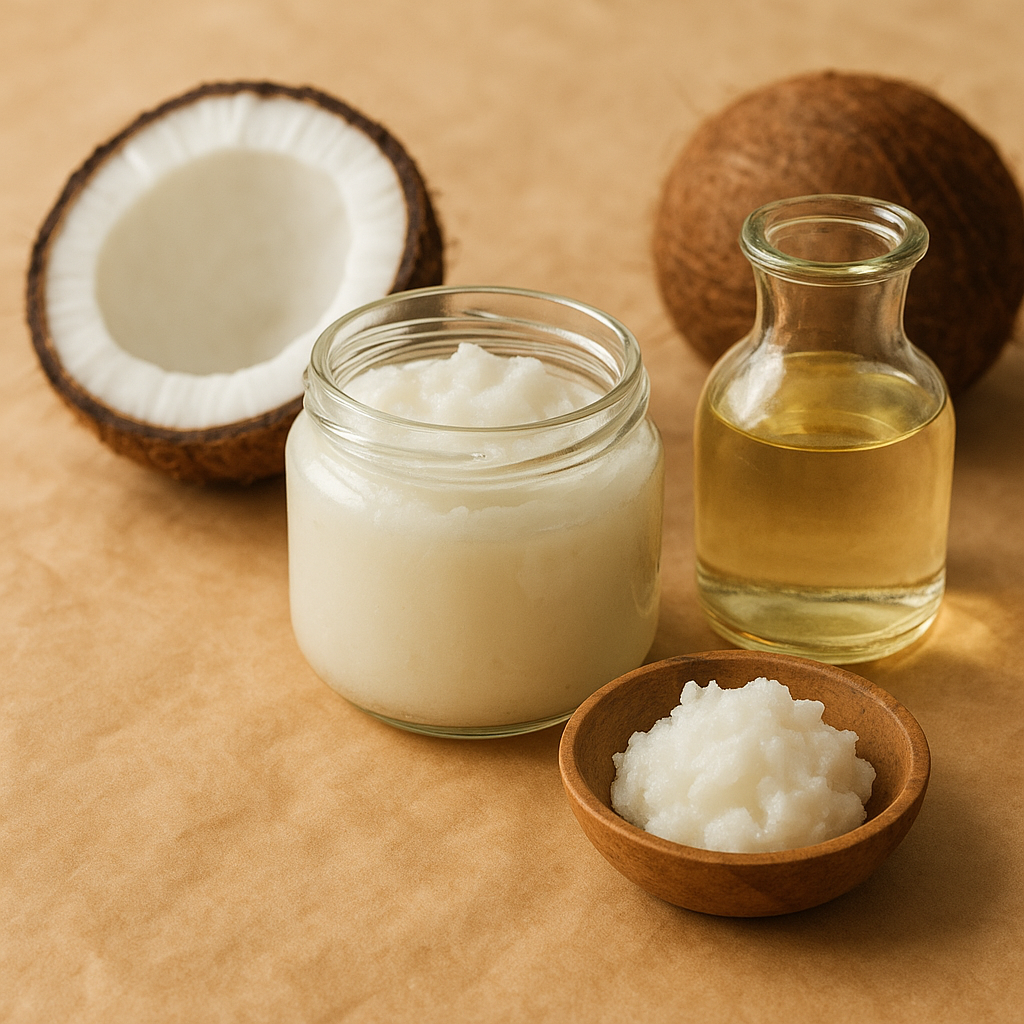
This is a solid, white fat derived from the flesh of mature coconuts. It is known for its distinct tropical aroma and flavor. At room temperature, it typically remains solid due to its high saturated fat content. When heated, it melts into a clear liquid, making it versatile for various cooking applications. It is a popular choice in many kitchens for its unique properties.
How people cook with it
Coconut oil can be used in both sweet and savory dishes. It adds a subtle coconut essence to baked goods and can be a flavorful alternative to other cooking fats.
- Baking cakes and cookies
- Sautéing vegetables
- Roasting meats
- Making popcorn
When using coconut oil in baking, it can often be substituted for butter or other oils. If the recipe calls for solid fat, you can use chilled coconut oil. For recipes requiring melted fat, gently warm the solid oil until it liquefies. In savory cooking, it can be heated in a pan to sauté aromatics like onions and garlic or to brown meats. Its smoke point is moderate, making it suitable for most everyday cooking methods.
How it differs from similar foods
Unlike many vegetable oils that are liquid at room temperature, coconut oil is solid. This physical difference affects how it behaves in recipes, especially in baking where fat consistency is important. Its flavor profile is also more pronounced than neutral oils, imparting a distinct coconut note.
Who it is for
Home cooks who enjoy experimenting with different flavors and cooking fats will find this product useful.
How to keep the rest
To maintain its quality, store the container of coconut oil in a cool, dry place away from direct sunlight. It does not require refrigeration. Ensure the lid is tightly sealed to prevent moisture and odors from affecting the oil. Properly stored, it can last for a considerable amount of time.