
Grocery
Full-Fat Coconut Milk
What it is
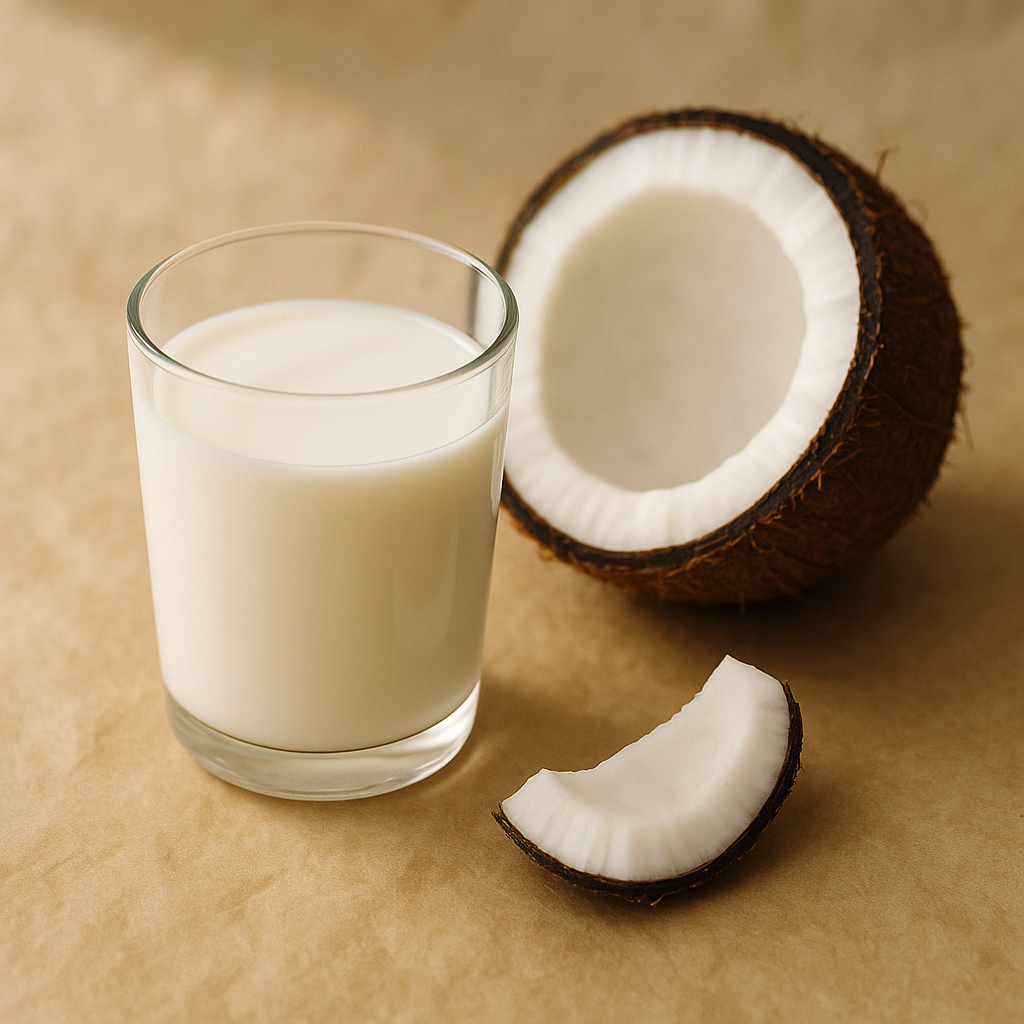
This is a creamy, rich liquid derived from the flesh of mature coconuts. It is a staple in many cuisines, particularly in Southeast Asia and the Caribbean. The milk is typically made by pressing grated coconut flesh with water. It has a distinct, slightly sweet coconut flavor and a thick consistency, making it a versatile ingredient for both sweet and savory dishes. It is often found canned and can separate into a solid cream and liquid when chilled.
How people cook with it
Coconut milk is a popular choice for adding richness and flavor to a wide range of culinary creations.
- Curries and stews
- Smoothies and shakes
- Desserts and baked goods
- Sauces and dressings
When using canned coconut milk, it's often best to shake the can well before opening to ensure the cream and liquid are fully combined. For recipes requiring a smooth consistency, you can whisk it vigorously. If a recipe calls for coconut cream, you can refrigerate the can and scoop off the solidified cream from the top. It can be used as a direct substitute for dairy cream in many applications, offering a different flavor profile. It also works well in marinades and as a base for dairy-free beverages.
How it differs from similar foods
Unlike lighter coconut milk beverages meant for drinking, this full-fat version is much thicker and richer due to a higher fat content and less added water. It provides a more intense coconut flavor and a creamier texture, making it ideal for dishes where a substantial mouthfeel and robust taste are desired.
Who it is for
Home cooks and professional chefs looking for a dairy-free ingredient to enhance flavor and texture.
How to keep the rest
Once opened, transfer any unused coconut milk to an airtight container and refrigerate. It should be consumed within a few days. If separation occurs, simply stir or whisk to recombine before use. Unopened cans can be stored in a cool, dark pantry.