
Hannaford
Hannaford Coconut Milk
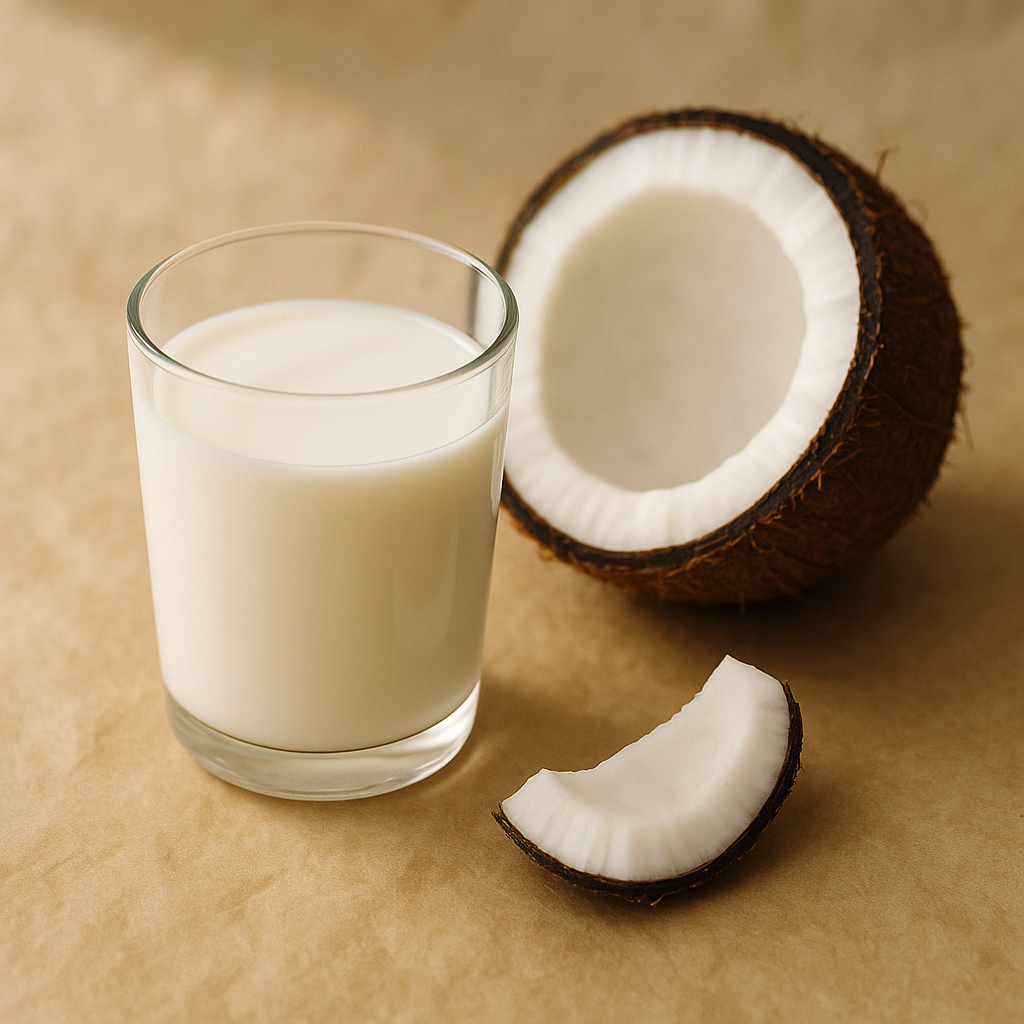
What it is
This is a creamy, plant-based beverage made from the flesh of coconuts. It has a rich flavor and a smooth texture, making it a versatile ingredient in both sweet and savory dishes. It is a popular alternative to dairy milk and cream for those seeking plant-based options or a different flavor profile in their cooking. It is typically found in the international foods aisle or the dairy alternative section of grocery stores.
How people cook with it
Coconut milk is a staple in many cuisines, adding a distinct tropical flavor and creamy consistency to a wide range of recipes.
- Curries and stews
- Smoothies and shakes
- Desserts and baked goods
- Sauces and soups
Before opening, shake the can well to combine the separated cream and liquid. For cooking, it can be added directly to dishes to impart richness and flavor. It is often simmered with spices and vegetables in curries, or blended into soups and sauces to create a velvety texture. In baking, it can substitute for dairy milk or cream in cakes, muffins, and custards. It also works well in beverages like smoothies and coffee drinks, providing a subtle coconut taste and creaminess.
How it differs from similar foods
Compared to regular dairy milk, coconut milk has a distinct, slightly sweet coconut flavor and a naturally thicker consistency. It also contains more fat than most dairy milks. It differs from coconut water, which is a thinner, more hydrating liquid found inside young coconuts.
Who it is for
Home cooks looking to add a tropical flavor or a dairy-free creaminess to their meals will find this product useful.
How to keep the rest
Refrigerate any unused portion in a sealed container. It is best to use refrigerated coconut milk within 3 to 5 days. The fat may separate and solidify at the top, which is normal. Simply warm it gently and stir to recombine.