
Grocery
Classic Baklava Pastry
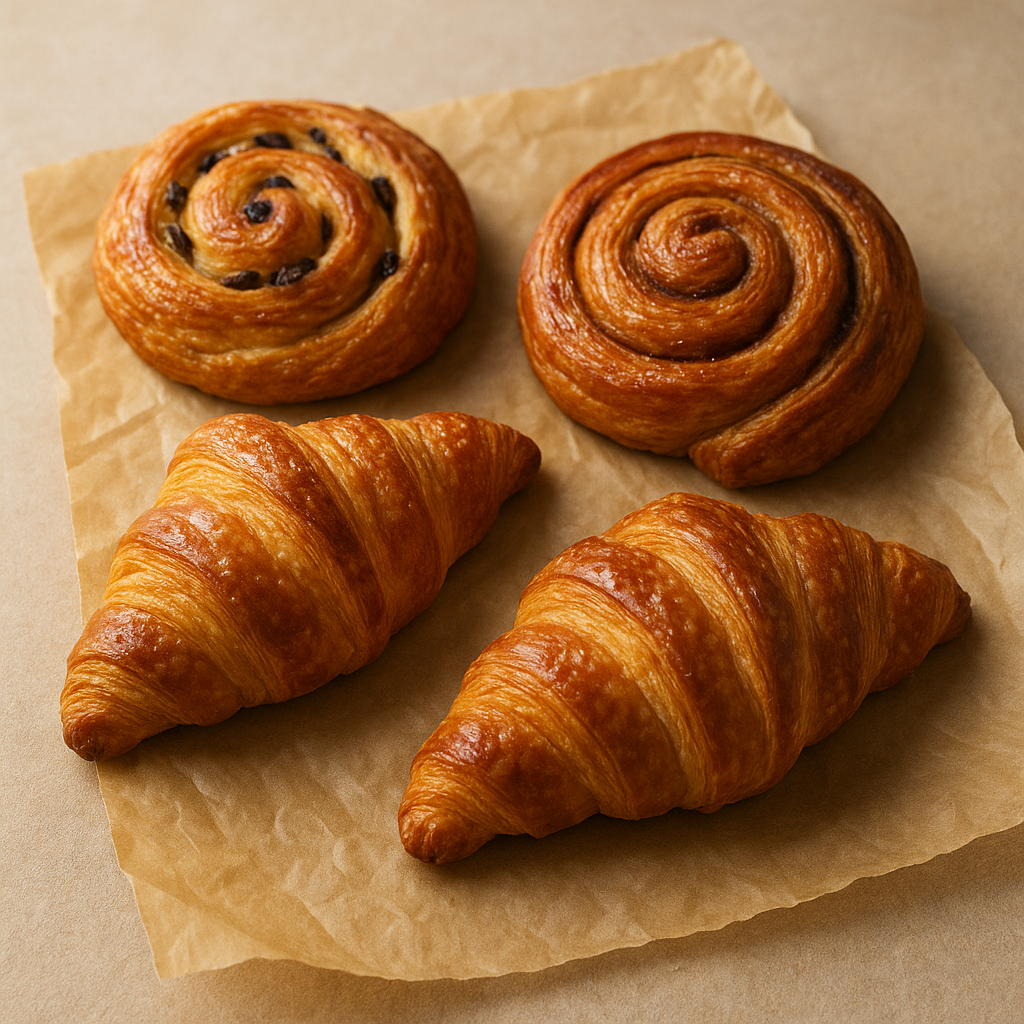
What it is
This is a traditional Middle Eastern dessert made with layers of thin phyllo dough, chopped nuts, and sweet syrup. The phyllo dough is brushed with butter or oil, creating a flaky texture. The nuts, typically walnuts or pistachios, are finely chopped and seasoned with spices like cinnamon. A rich syrup, often made with honey or sugar and flavored with lemon or rosewater, is poured over the baked pastry, allowing it to soak in and create a moist, sweet finish. It is a popular treat enjoyed on special occasions and as an everyday indulgence.
How people cook with it
This sweet pastry is perfect for satisfying a craving or serving to guests. It can be enjoyed on its own or as part of a dessert platter.
- Enjoy with coffee or tea
- Serve as a dessert course
- Include on a holiday spread
- Pack for a sweet snack
To enjoy, simply unwrap the baklava and serve. It is typically eaten at room temperature. If it has been refrigerated, allow it to sit out for a short period to soften slightly. The syrup should have penetrated the layers, making it moist and tender. It is best enjoyed within a few days of opening to maintain its crispness and flavor. Avoid exposing it to direct heat or sunlight, which can affect its texture and sweetness.
How it differs from similar foods
Compared to other layered pastries, baklava is distinguished by its unique combination of phyllo dough, chopped nuts, and a sweet, often honey-based syrup. The crispness of the phyllo contrasts with the dense, nutty filling and the sticky, sweet coating, creating a complex texture and flavor profile.
Who it is for
People who appreciate rich, sweet, and nutty desserts often choose this pastry.
How to keep the rest
Store any remaining baklava in an airtight container at room temperature. Avoid refrigeration, as it can make the phyllo dough soggy. Ensure the container is sealed to prevent the pastry from drying out or absorbing unwanted odors from other foods in the pantry.