
u
Fresh Lime
What it is
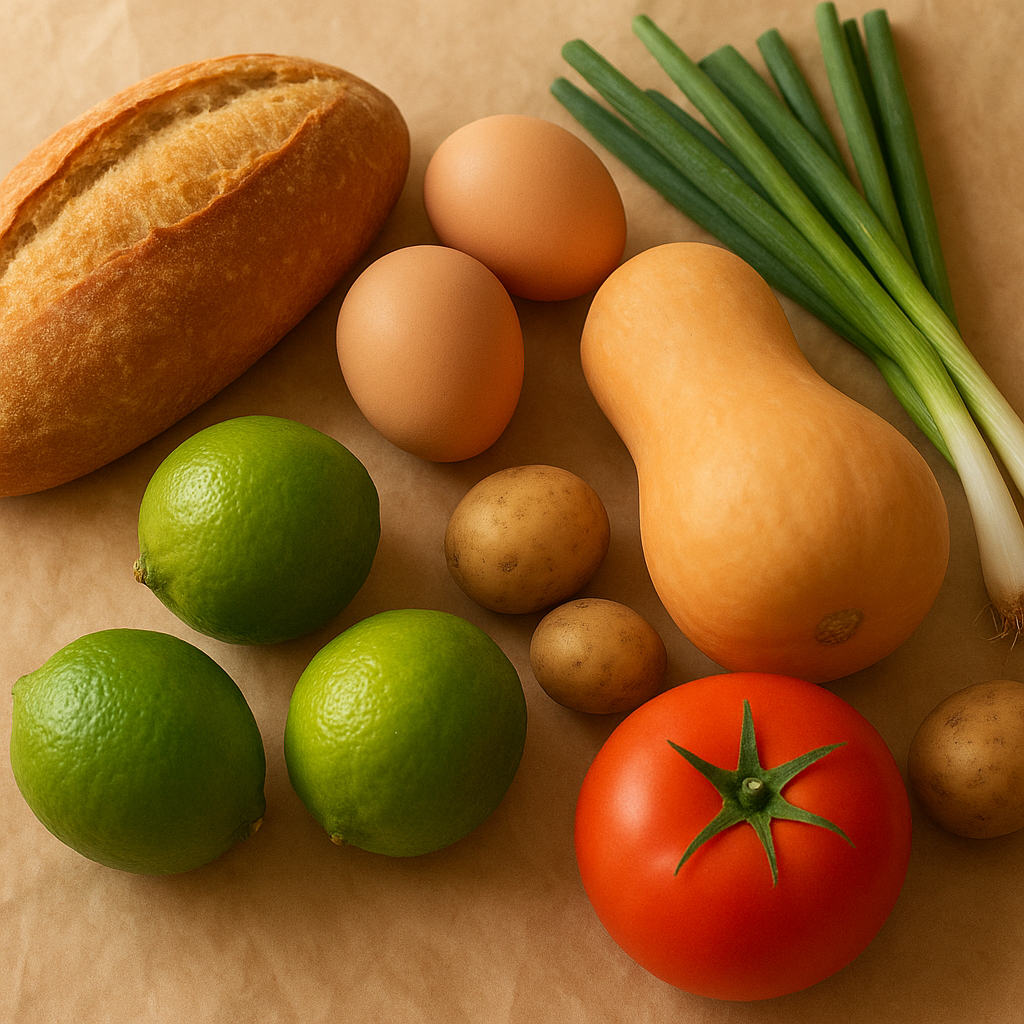
This is a fresh lime, a small, round, green citrus fruit. It has a tart and acidic flavor profile, with a distinct aroma. The flesh is juicy and segmented, enclosed by a peel that can be smooth or slightly textured. Limes are known for their bright, zesty taste, which adds a refreshing element to many dishes and beverages. They are a common ingredient in cuisines around the world.
How people cook with it
Limes are incredibly versatile in the kitchen, adding a burst of flavor to both sweet and savory preparations.
- Juicing for drinks
- Zesting for baking
- Marinating meats
- Flavoring sauces
To extract the most juice, roll the lime firmly on a countertop before cutting it in half. You can then squeeze it by hand or use a citrus juicer. The zest, the outer colored part of the peel, can be grated or finely chopped and added to baked goods, marinades, or dressings for an intense citrus aroma. Lime wedges are often served alongside dishes as a garnish or to allow individuals to add extra acidity to their meal. The juice can also be used to prevent cut fruits like apples and avocados from browning.
How it differs from similar foods
Compared to lemons, limes generally have a more intense, slightly bitter acidity and a more pungent aroma. Their flavor is often described as sharper and more tropical. While both are acidic, limes tend to be used for a different kind of brightness in cooking.
Who it is for
Home cooks and professional chefs use limes to enhance the flavor of their culinary creations.
How to keep the rest
Store fresh limes at room temperature for a few days, or in the refrigerator's crisper drawer for up to two weeks to prolong their freshness. Keep them away from direct sunlight and heat. Once cut, wrap the unused portion tightly in plastic wrap.