
Grocery
Madagascar Citron Fruit
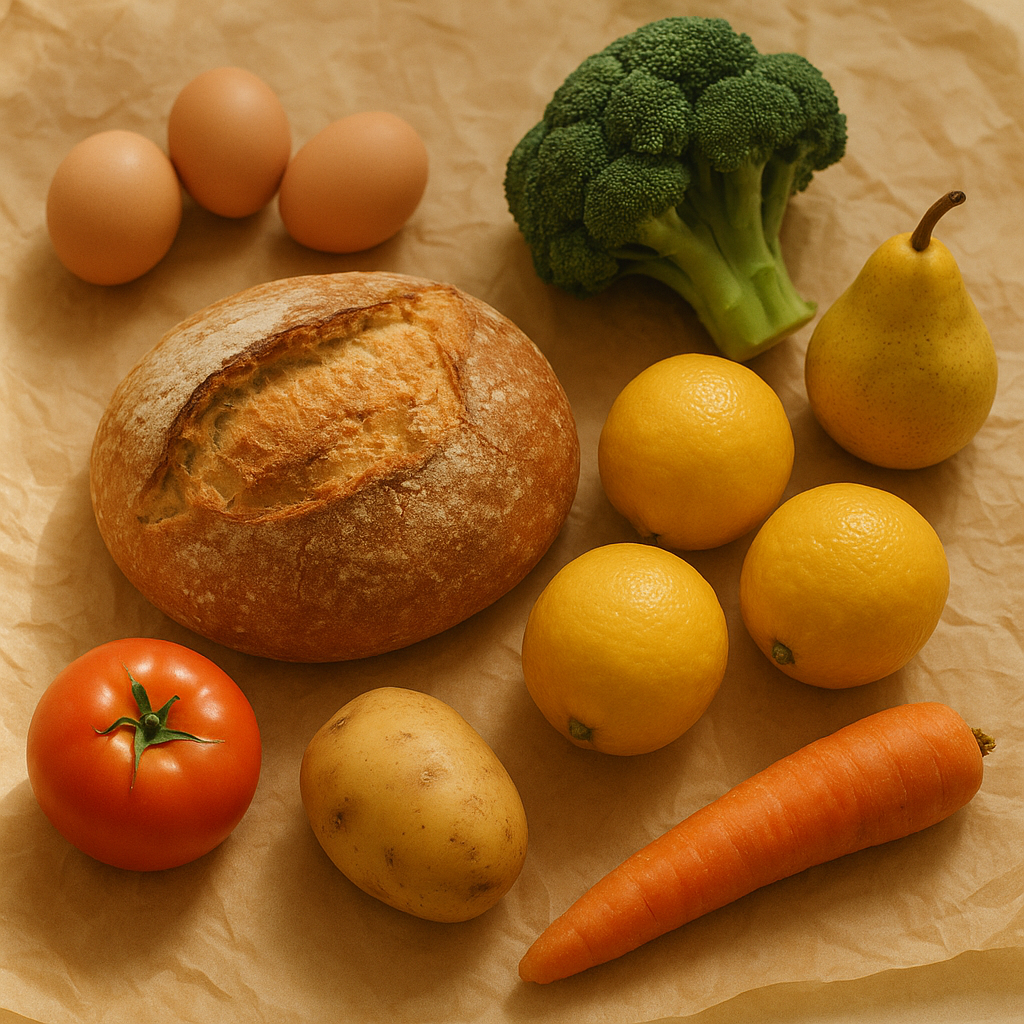
What it is
This is a whole citron fruit, a large and fragrant citrus fruit known for its thick rind and minimal pulp. It originates from Madagascar, a region renowned for its unique produce. The fruit's zest is highly aromatic, and its pith is often used in culinary applications. It is a less common citrus variety compared to lemons or limes.
How people cook with it
Citron is a versatile ingredient that can be used in both sweet and savory dishes.
- Zesting for baked goods
- Candying the rind
- Infusing spirits
- Flavoring savory sauces
To use the citron, begin by washing the fruit thoroughly. The zest can be carefully removed with a microplane or zester, avoiding the bitter white pith. This aromatic zest is excellent for adding fragrance to cakes, cookies, and breads. The thick pith can be separated from the pulp and rind. It is often boiled and then candied to create a sweet and chewy treat. The small amount of pulp can be juiced, though it is less common due to its tartness and seeds. The entire fruit, when properly prepared, offers a unique citrus dimension to cooking.
How it differs from similar foods
Unlike lemons or limes, citron is primarily valued for its substantial rind and pith rather than its juice. Its aroma is more floral and less sharp than other common citrus fruits. The texture of candied citron rind is also distinct, being chewier and less intensely sweet than candied lemon peel.
Who it is for
Home cooks and bakers looking to explore unique citrus flavors will find this fruit appealing.
How to keep the rest
To store the remaining citron, wrap it tightly in plastic wrap or place it in an airtight container. It can be kept in the refrigerator for several weeks to maintain its freshness. For longer storage, consider candying the rind, which preserves it for months.