
Grocery
Imported Citron Lime
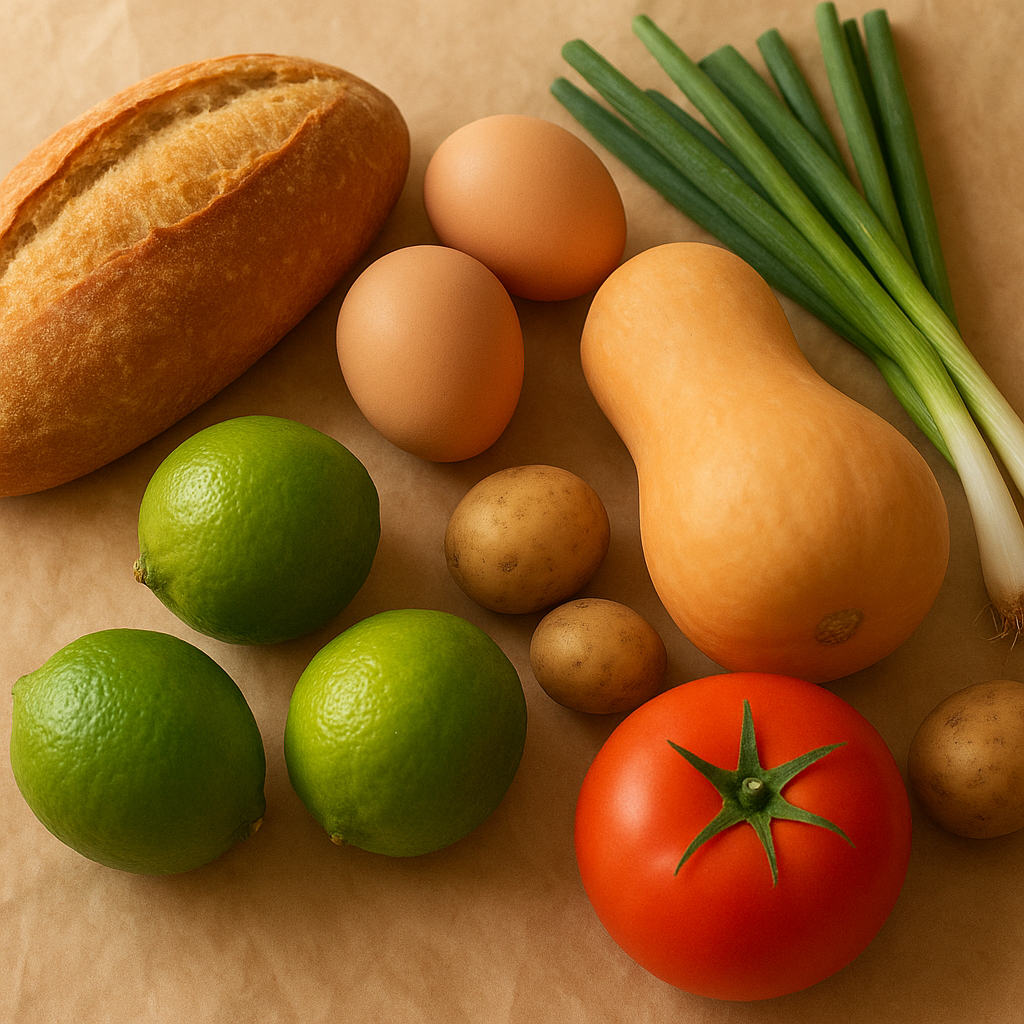
What it is
This is a unique citrus fruit, often larger than a standard lime and with a thicker, more textured rind. Its flesh is typically less juicy and more tart than a lime, with a distinct floral aroma. The pith, the white spongy layer beneath the rind, is also edible and can be quite bitter. It is a less common citrus variety, prized for its aromatic qualities and distinctive flavor profile. It is not a hybrid of lemon and lime, but a separate species within the citrus family.
How people cook with it
This fruit adds a bright, complex citrus note to both sweet and savory dishes. Its aromatic zest and tart juice are particularly useful in cooking and baking.
- Zesting for baked goods
- Infusing oils and vinegars
- Adding tartness to marinades
- Candying the rind
The zest of this citron lime can be finely grated and incorporated into cake batters, cookie doughs, or pastry crusts to impart a fragrant citrus essence. Its juice, while tart, can be used sparingly in salad dressings, marinades for fish or poultry, or to brighten the flavor of sauces. The thick rind can be carefully peeled, the pith removed, and the remaining peel can be candied to create a flavorful confection or a garnish for desserts. The seeds should be removed before juicing or zesting.
How it differs from similar foods
Unlike a common lime, this citron lime is generally larger and has a much thicker rind with a more pronounced pith. Its flavor is less purely acidic and more complex, with floral undertones and a distinct bitterness from the pith, which is often utilized in specific preparations.
Who it is for
Home cooks and professional chefs seeking distinctive citrus flavors will find this fruit interesting.
How to keep the rest
To keep the rest of this fruit fresh, store it in a cool, dry place like a pantry or refrigerator. It can last for several weeks when stored properly. Avoid storing it in direct sunlight or extreme temperatures, which can cause it to dry out or spoil prematurely.