
Grocery
Artisan Ciabatta Bread
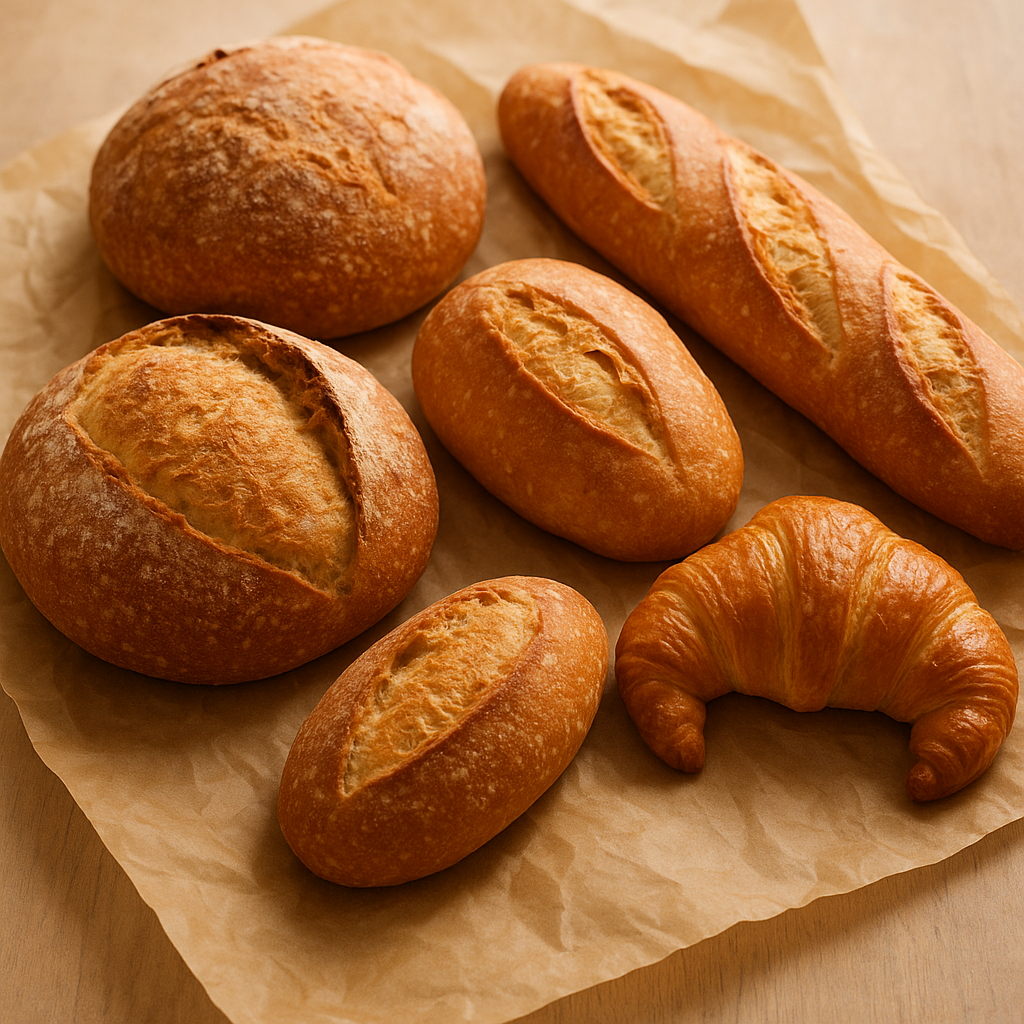
What it is
This is a rustic Italian-style bread known for its airy interior and crisp crust. It is made with a high hydration dough, which contributes to its open crumb structure and chewy texture. The bread is typically baked at high temperatures, resulting in a deeply browned exterior. It is a versatile bread that can be enjoyed in many ways, from simple toast to elaborate sandwiches.
How people cook with it
Ciabatta bread is a favorite for both casual meals and more formal occasions. Its unique texture makes it ideal for soaking up sauces and broths.
- Sandwich base
- Dipping bread
- Bruschetta topping
- Side for soups
To enjoy ciabatta at its best, slice it horizontally or vertically depending on your intended use. For sandwiches, a horizontal slice works well to create two distinct layers for fillings. If serving as a dipping bread, larger chunks or diagonal slices are perfect for soaking up olive oil or balsamic vinegar. Lightly toasting slices can enhance the crispness of the crust and add a warm, inviting aroma. It also makes an excellent base for garlic bread or as a vehicle for spreads and dips.
How it differs from similar foods
Compared to a baguette, ciabatta has a softer, more open crumb and a chewier texture due to its higher hydration. Its crust is generally less uniformly crisp than a baguette's. It also tends to be wider and flatter, making it excellent for absorbing flavors.
Who it is for
Home cooks and professional chefs alike appreciate ciabatta for its adaptability in the kitchen.
How to keep the rest
To maintain freshness, store any leftover ciabatta in a paper bag at room temperature for a day or two. For longer storage, wrap it tightly in plastic wrap and freeze. Thaw at room temperature or reheat briefly in an oven to restore its crust.