
Grocery
Dark Chocolate Bar
What it is
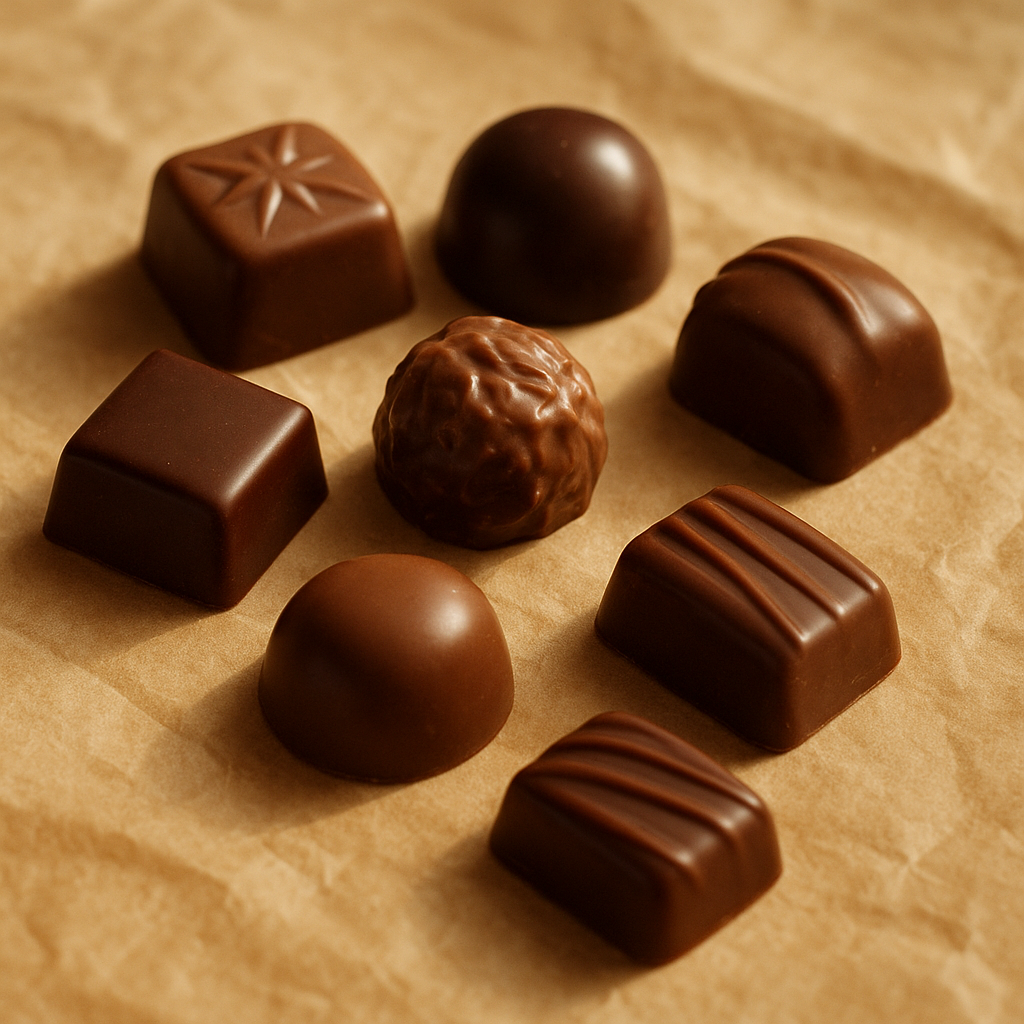
This is a bar of dark chocolate, a confection made from cocoa solids, cocoa butter, and sugar. The percentage of cocoa solids determines the intensity of the chocolate flavor and its characteristic bitterness. Dark chocolate typically contains a higher proportion of cocoa solids compared to milk chocolate, resulting in a richer and more complex taste profile. It is often enjoyed on its own or used as a key ingredient in various desserts and baked goods.
How people cook with it
Dark chocolate is a versatile ingredient in the kitchen, perfect for both sweet and savory applications.
- Baking cakes and cookies
- Making rich sauces
- Adding depth to chili
- Enjoying as a snack
When baking, dark chocolate can be melted and incorporated into batters or doughs, or it can be chopped and folded in for pockets of intense flavor. For sauces, it melts smoothly, adding a luxurious texture and deep flavor to both sweet and savory dishes. It can also be shaved or grated over desserts for a decorative and flavorful finish. Even a small amount can elevate the complexity of certain savory dishes, like stews or moles, by adding a subtle richness.
How it differs from similar foods
Compared to milk chocolate, dark chocolate has a more pronounced cocoa flavor and less sweetness due to a higher percentage of cocoa solids and less milk. White chocolate, on the other hand, contains no cocoa solids, only cocoa butter, sugar, and milk, giving it a creamy, sweet taste without the characteristic chocolate bitterness.
Who it is for
Home bakers and culinary enthusiasts often reach for dark chocolate to add depth and sophistication to their creations.
How to keep the rest
To maintain its quality, store any remaining dark chocolate in a cool, dry place, away from direct sunlight and strong odors. Wrap it tightly to prevent it from absorbing moisture or other flavors from the environment. Proper storage ensures its texture and taste remain optimal for future use.