
Jean Rozé
Jean Rozé Chipolatas
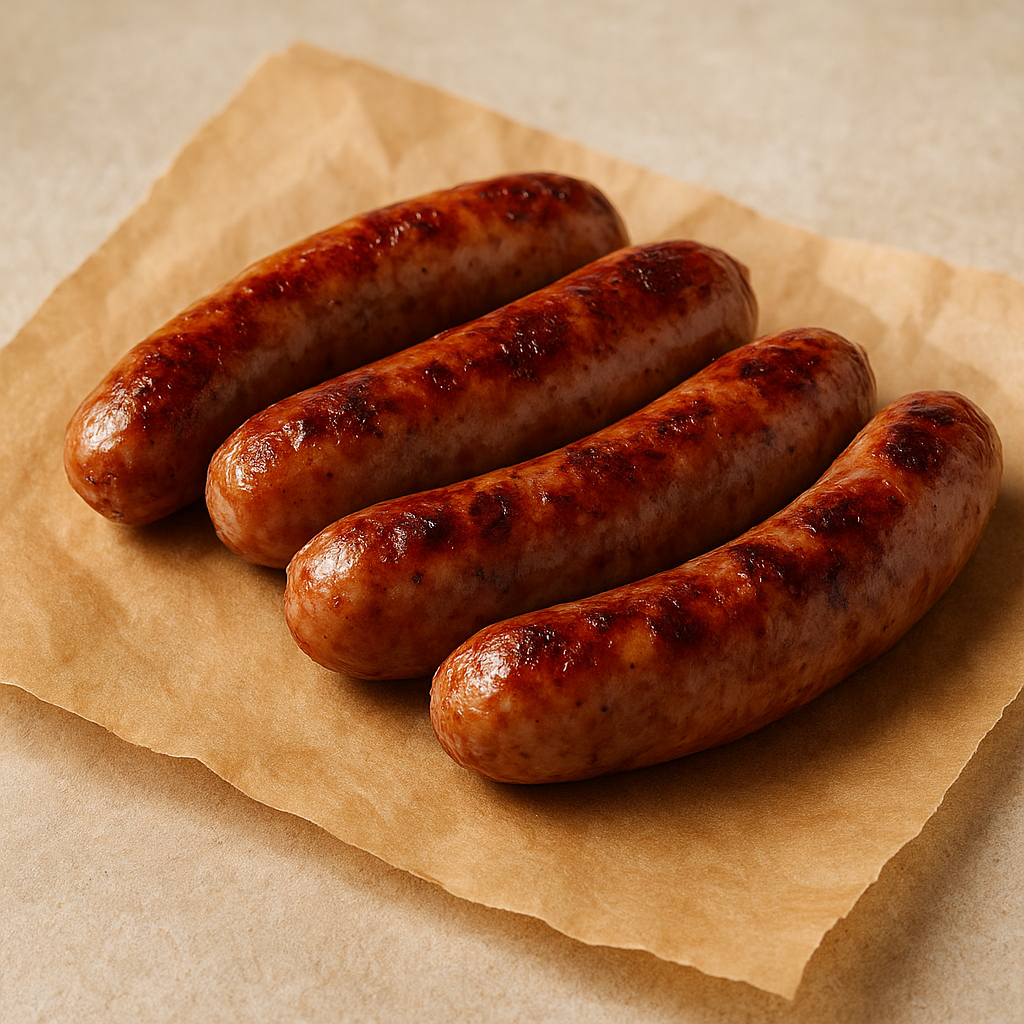
What it is
These are small, thin pork sausages, typically seasoned with herbs and spices. They are a popular choice for breakfast and grilling. The casing is usually made of natural sheep intestine, which gives them a pleasant snap when cooked. They are pre-formed and ready for cooking, making them a convenient option for quick meals.
How people cook with it
Chipolatas are versatile and can be cooked in various ways to suit different meals and occasions.
- Pan-fried for breakfast
- Grilled for barbecues
- Added to stews
- Served with pasta dishes
To cook chipolatas, you can pan-fry them in a lightly oiled skillet over medium heat until they are browned and cooked through. Alternatively, they are excellent when grilled, either directly on the grates or in a foil packet. For a more rustic approach, they can be simmered in sauces or added to hearty stews, allowing their flavor to meld with other ingredients. Ensure they reach an internal temperature of 71°C (160°F) for safety. They cook relatively quickly due to their size.
How it differs from similar foods
Chipolatas are distinguished by their smaller size and often finer texture compared to larger sausages like bratwurst or Italian sausage. Their seasoning is typically more delicate, focusing on herbs rather than strong spices, making them a milder option that pairs well with a wider range of accompaniments.
Who it is for
Home cooks looking for a simple and flavorful sausage for everyday meals or special gatherings.
How to keep the rest
Refrigerate any unused chipolatas promptly after opening the package. Store them in their original packaging or an airtight container. They should be consumed within a few days of opening. For longer storage, they can be frozen, ensuring they are well-wrapped to prevent freezer burn.