
Ch- Ch- Ch- Chia
Ch- Ch- Ch- Chia Chia Seeds
What it is
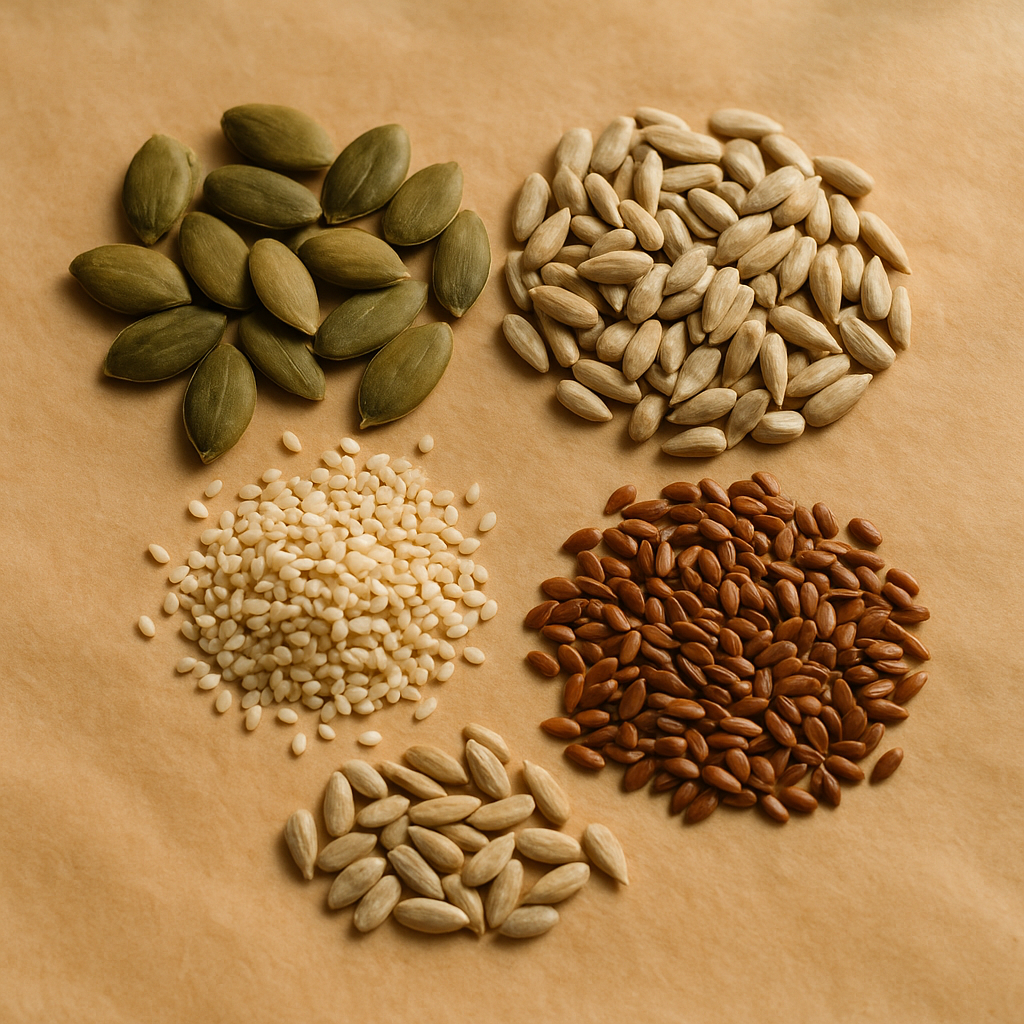
These tiny seeds are derived from the Salvia hispanica plant, a member of the mint family. They are known for their ability to absorb liquid and form a gel-like consistency, making them a versatile ingredient in various culinary applications. Chia seeds are a popular choice for those seeking to add texture and substance to their meals and beverages. They are small and oval-shaped, typically black or white in color, with a subtle nutty flavor that does not overpower other ingredients.
How people cook with it
Chia seeds can be incorporated into both sweet and savory dishes, offering a unique textural element and a mild taste that complements a wide range of flavors.
- Thickening smoothies and puddings
- Adding to baked goods
- Sprinkling on yogurt or oatmeal
- Incorporating into energy bars
To best utilize chia seeds, they can be soaked in liquid, such as water, milk, or juice, for about 15-30 minutes until they swell and form a gel. This gel can then be used as a binder or thickener. Alternatively, they can be added directly to recipes without soaking, where they will absorb moisture during cooking or preparation. They are commonly mixed into batters for muffins or pancakes, stirred into oatmeal, or sprinkled over salads and yogurt bowls. Their neutral flavor profile makes them suitable for a wide array of culinary creations.
How it differs from similar foods
Unlike flax seeds, chia seeds do not require grinding to make their nutrients accessible. They also form a more distinct gel when soaked, which is useful for creating pudding-like textures. Their small size and ability to absorb liquid make them a unique textural addition to foods.
Who it is for
Home cooks and bakers looking for a simple way to enhance the texture and substance of their dishes.
How to keep the rest
To maintain freshness, store unopened chia seeds in a cool, dry place away from direct sunlight. Once opened, transfer the seeds to an airtight container and keep them in a pantry or refrigerator. Proper storage will help preserve their quality and prevent them from becoming stale or absorbing unwanted odors.