
Grocery
Chef's Collection Frozen Haddock Fillets
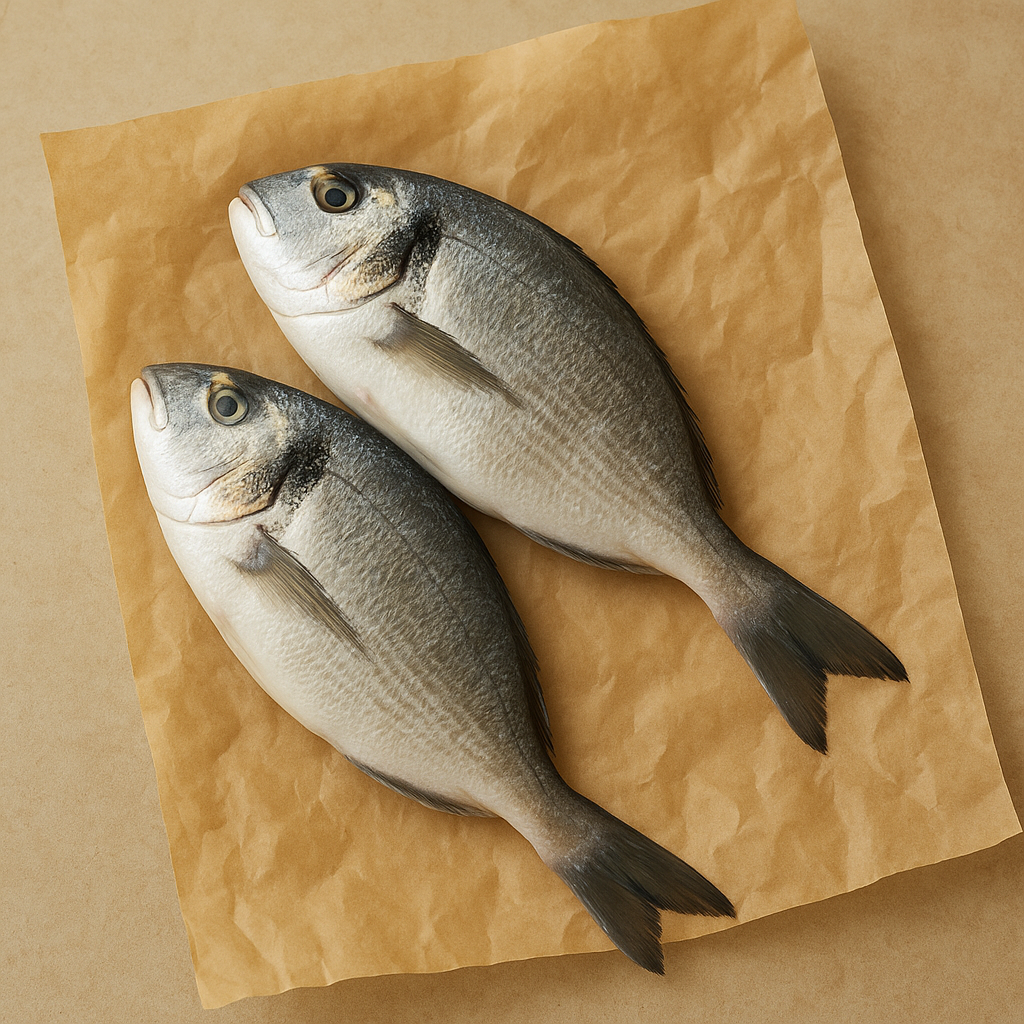
What it is
These are individually frozen haddock fillets, a type of white fish known for its mild flavor and flaky texture. They are typically sourced and then flash-frozen to preserve their freshness. The fillets are usually skinless and boneless, making them convenient for immediate use in various dishes. The packaging is designed to keep each fillet separate and protected.
How people cook with it
Frozen haddock is a versatile ingredient that can be prepared in many ways. It works well in both quick weeknight meals and more elaborate weekend dinners.
- Baked with lemon and herbs
- Pan-fried for a crispy crust
- Added to fish stews
- Used in fish tacos
To prepare, you can cook the haddock directly from frozen or thaw it first in the refrigerator. Thawing is recommended for more even cooking and better texture. Once thawed or still frozen, the fillets can be baked, broiled, pan-fried, or steamed. Seasoning with salt, pepper, and your favorite herbs or spices before cooking enhances its natural taste. Avoid overcooking, as haddock can become dry if cooked for too long.
How it differs from similar foods
Compared to fresh haddock, frozen fillets offer extended shelf life and convenience. The freezing process locks in flavor and moisture, ensuring a quality product even after storage. This method is often preferred for its accessibility and consistent availability.
Who it is for
Home cooks and professional chefs alike use frozen haddock for its ease of preparation and mild taste.
How to keep the rest
Keep any unused frozen haddock fillets in their original packaging or an airtight container in the freezer. Ensure the freezer is set to a consistent temperature to maintain quality. Properly stored, they can be kept for an extended period.