
Grocery
Walnut Kernels
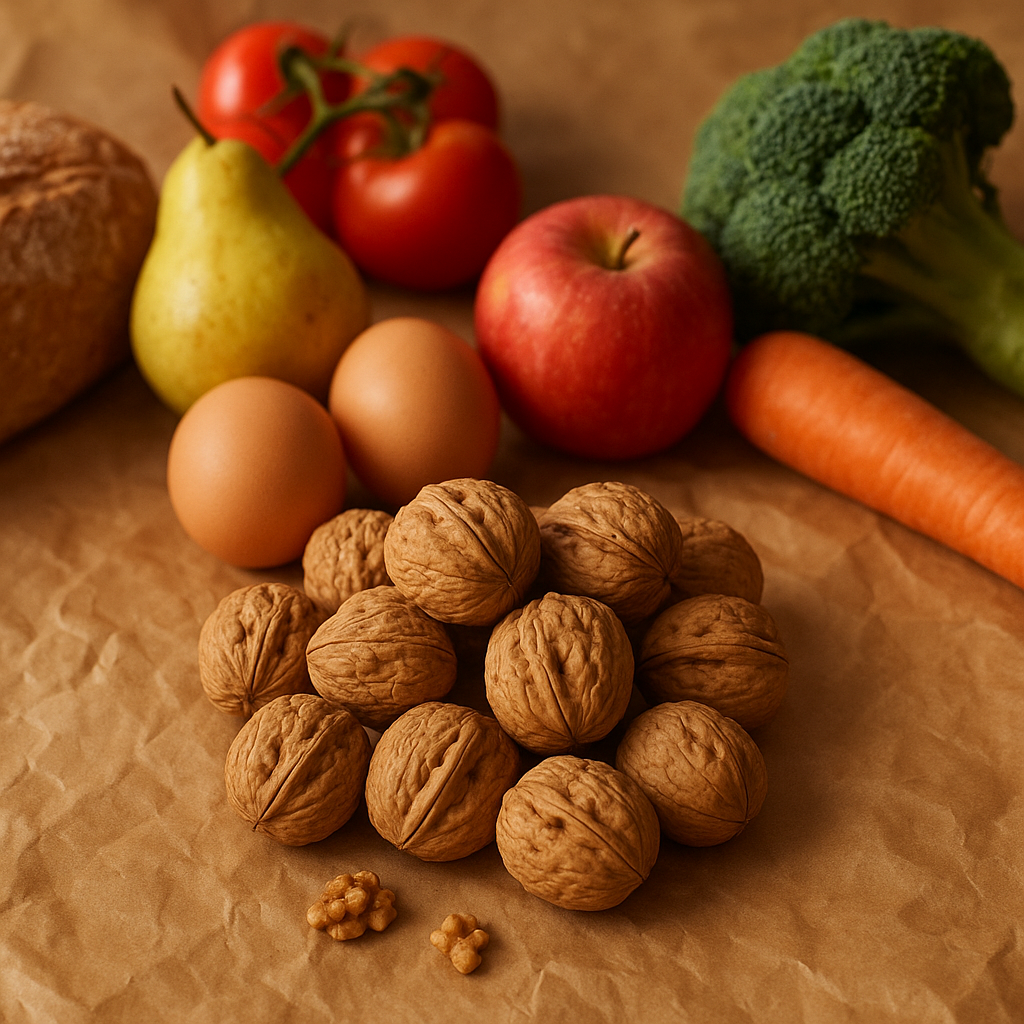
What it is
These are the edible kernels of the walnut, a tree nut known for its distinctive shape and rich flavor. They are typically sold shelled, meaning the hard outer shell has been removed, making them ready for immediate use in cooking and baking. The kernels are often sold whole or as halves, with a slightly wrinkled surface and a creamy white to light brown color. They offer a satisfying crunch and a complex, slightly bitter taste that pairs well with both sweet and savory ingredients.
How people cook with it
Walnut kernels are a versatile ingredient, adding texture and depth to a wide range of dishes. They can be enjoyed raw or incorporated into cooked preparations.
- Toasted for salads
- Chopped for baked goods
- Blended into pesto
- Garnished on cheese boards
Walnut kernels can be used in many ways. For a deeper flavor, toast them lightly in a dry skillet over medium heat until fragrant, watching carefully to prevent burning. This process enhances their natural oils and brings out a richer, nuttier taste. They can be roughly chopped and added to cookie dough, muffin batter, or bread recipes. They also make a wonderful addition to savory dishes, such as pestos, pasta sauces, or as a crunchy topping for roasted vegetables and meats. Their texture is also excellent when incorporated into homemade granola or trail mix.
How it differs from similar foods
Compared to other nuts, walnut kernels possess a unique, slightly bitter undertone that balances sweetness in desserts. Their texture is generally softer than almonds but firmer than pecans, offering a distinct mouthfeel. The shape of the kernel, resembling a brain, is also characteristic.
Who it is for
Home cooks and bakers who enjoy adding natural flavors and textures to their creations.
How to keep the rest
To maintain freshness, store leftover walnut kernels in an airtight container in a cool, dark place. For longer storage, they can be kept in the refrigerator or freezer. This helps to prevent them from becoming rancid and preserves their delicate flavor and crisp texture for future use.