
Grocery
Organic Grass Fed 2% Milk
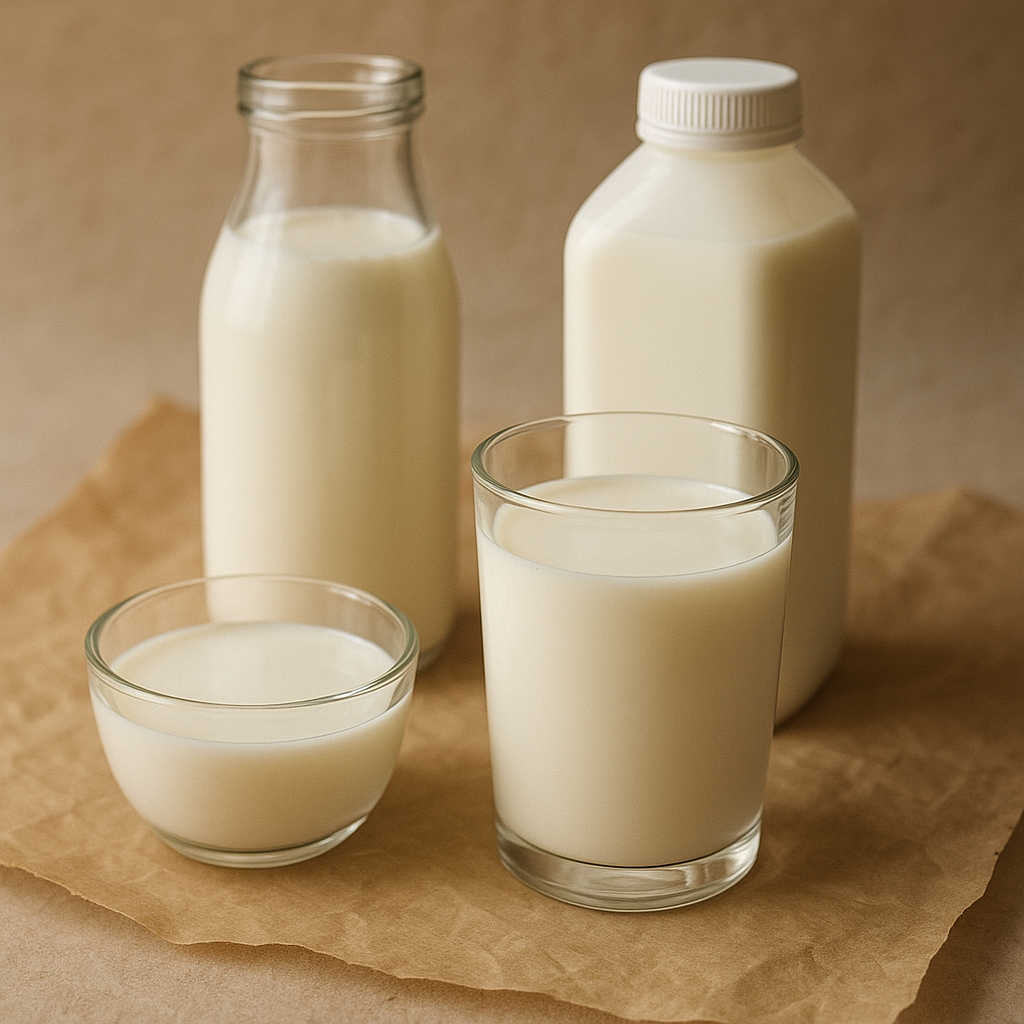
What it is
This is organic milk from cows that are raised on pasture and allowed to graze freely. The milk is 2% fat, meaning it has had some of the butterfat removed, resulting in a lighter consistency and flavor compared to whole milk. It is pasteurized to ensure safety and then homogenized to keep the fat evenly distributed throughout the liquid. The organic certification means the cows are not treated with synthetic hormones or antibiotics, and their feed is grown without synthetic pesticides or fertilizers.
How people cook with it
Milk is a versatile staple in many kitchens, used in both sweet and savory preparations.
- Drinking chilled
- Adding to cereal
- Baking cakes
- Making sauces
This milk can be used in a multitude of ways. It is excellent for drinking straight from the carton, especially when chilled. It works well poured over breakfast cereals, granola, or oatmeal to add creaminess and flavor. In baking, it contributes moisture and richness to cakes, muffins, and quick breads. It is also a fundamental ingredient for creating smooth béchamel sauces, creamy soups, and gravies. For beverages, it can be frothed for lattes or blended into smoothies.
How it differs from similar foods
Compared to whole milk, 2% milk has a lower fat content, making it less rich and creamy. Organic milk differs from conventional milk in its production methods, adhering to standards that prohibit synthetic additives and promote pasture-based feeding for the cows.
Who it is for
Home cooks and families who prefer organic products and a moderate fat content in their dairy.
How to keep the rest
After opening, keep the milk refrigerated at all times. It is best to store it in the coldest part of the refrigerator, not the door. Consume the milk within the recommended number of days after opening, as indicated on the packaging, to ensure freshness.