
Grocery
Caymus Wine
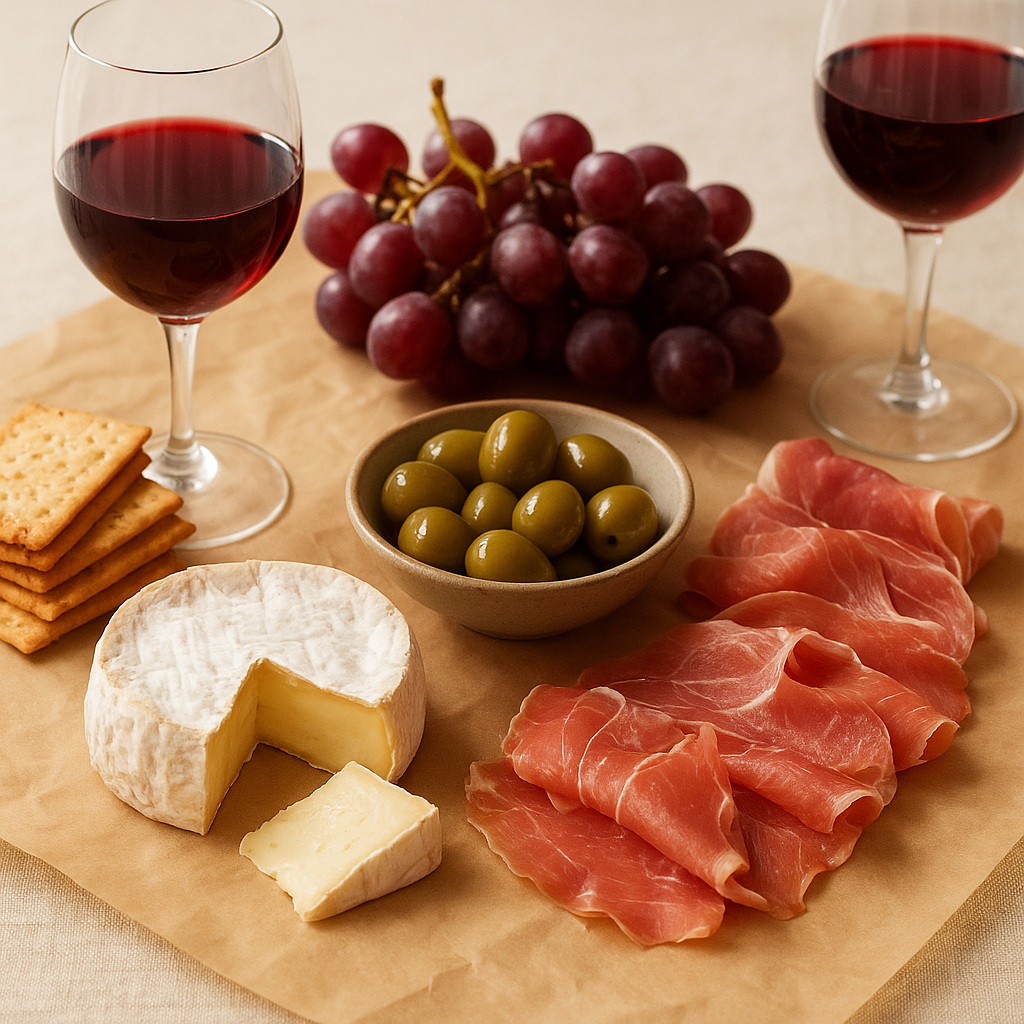
What it is
Caymus is a well-known American wine, specifically a Cabernet Sauvignon. It is produced in California's Napa Valley. The wine is recognized for its rich, full-bodied character and often exhibits notes of dark fruit, oak, and sometimes hints of chocolate or spice. It is typically aged to develop complexity and smoothness, making it a popular choice for those who appreciate robust red wines. The winemaking process focuses on highlighting the fruit flavors while integrating them with the influence of oak aging.
How people cook with it
This wine is often enjoyed on its own or as a complement to various dishes.
- With grilled steak
- Alongside lamb dishes
- Paired with aged cheeses
- Enjoyed during special occasions
Caymus is best served at a slightly cooler than room temperature, typically between 60-65°F (16-18°C). Before serving, it benefits from decanting for at least 30 minutes to an hour. This allows the wine to open up, releasing its complex aromas and softening any tannins. It can be enjoyed as a standalone beverage, allowing its full flavor profile to be appreciated, or it can be paired with a variety of foods that can stand up to its bold character. The wine's structure and flavor intensity make it a versatile companion for many meals.
How it differs from similar foods
Compared to lighter-bodied red wines, Caymus is significantly more concentrated and robust. Its tannins are usually more pronounced, and the fruit flavors are deeper and richer. While other Cabernet Sauvignons may vary, Caymus is often characterized by a consistent style that emphasizes ripe fruit and a smooth, velvety texture, distinguishing it from wines with more earthy or herbaceous notes.
Who it is for
People who enjoy full-bodied red wines often choose Caymus for its distinctive flavor profile.
How to keep the rest
Unopened bottles should be stored on their side in a cool, dark place with a consistent temperature, ideally around 55°F (13°C). Once opened, any remaining wine should be recorked tightly and refrigerated. It is best consumed within a few days of opening to maintain its freshness and flavor.