
Grocery
Cassava Flour
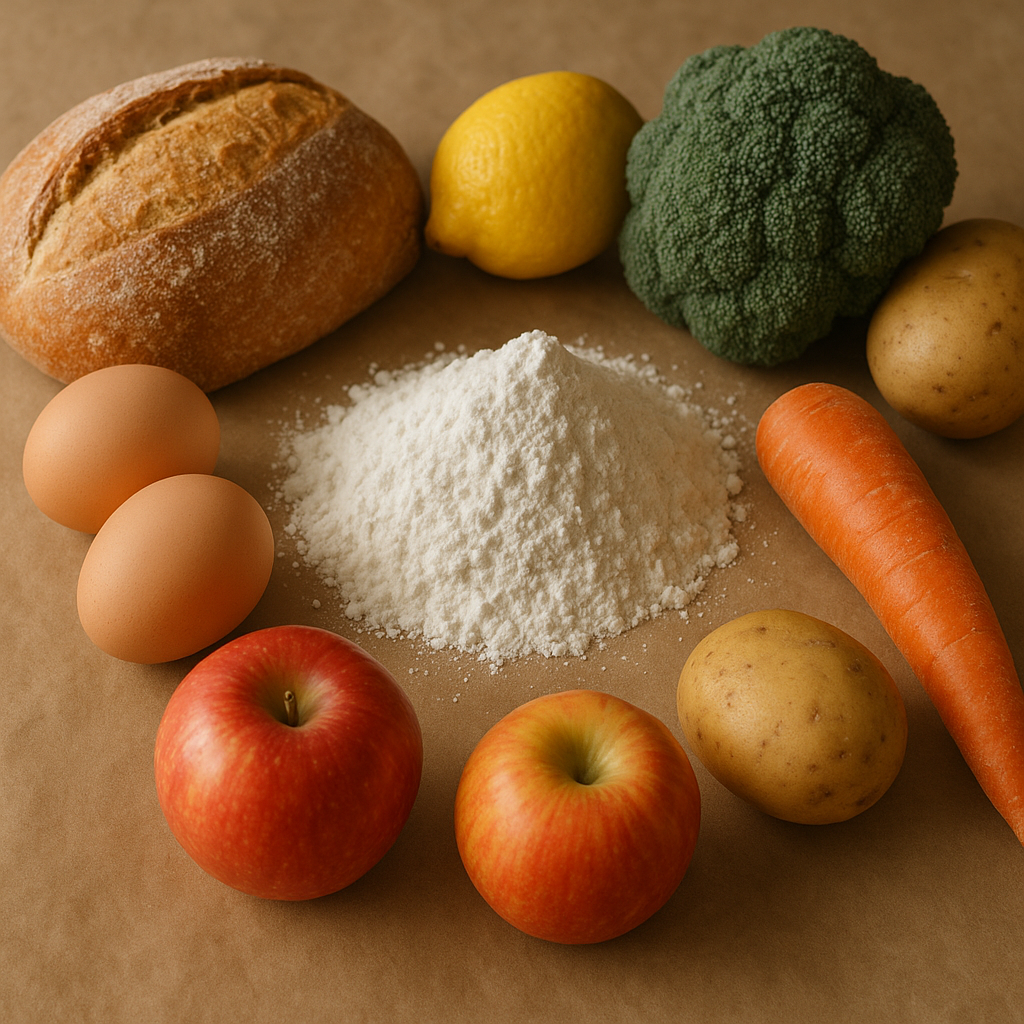
What it is
The root is dried and ground into a fine powder. It is a staple food in many tropical regions. This flour has a neutral flavor and a slightly starchy texture. It is a good option for those seeking alternatives to wheat flour. The cassava plant is a woody shrub native to South America.
How people cook with it
Cassava flour can be used in a variety of baking and cooking applications. Its properties make it suitable for both sweet and savory dishes.
- Thickening sauces and gravies
- Making pancakes and waffles
- Creating traditional baked goods
When baking, cassava flour can often be substituted for wheat flour in a 1:1 ratio, though adjustments to liquid may be needed. It absorbs moisture differently than wheat flour, so batters might appear thicker. For thickening, whisk it into cold liquids before adding to hot mixtures to prevent lumps. It works well in recipes that call for a neutral-tasting flour.
How it differs from similar foods
Unlike tapioca starch, which is derived from the cassava root but is a refined product, cassava flour uses the entire root. This means it retains more of the root's natural components.
How to keep the rest
To maintain freshness, store cassava flour in an airtight container in a cool, dry place. Keeping it away from direct sunlight and moisture will help prevent spoilage and clumping. Properly stored, it can last for a considerable amount of time.