
Brazil Gourmet
Brazil Gourmet Cashew Fruit
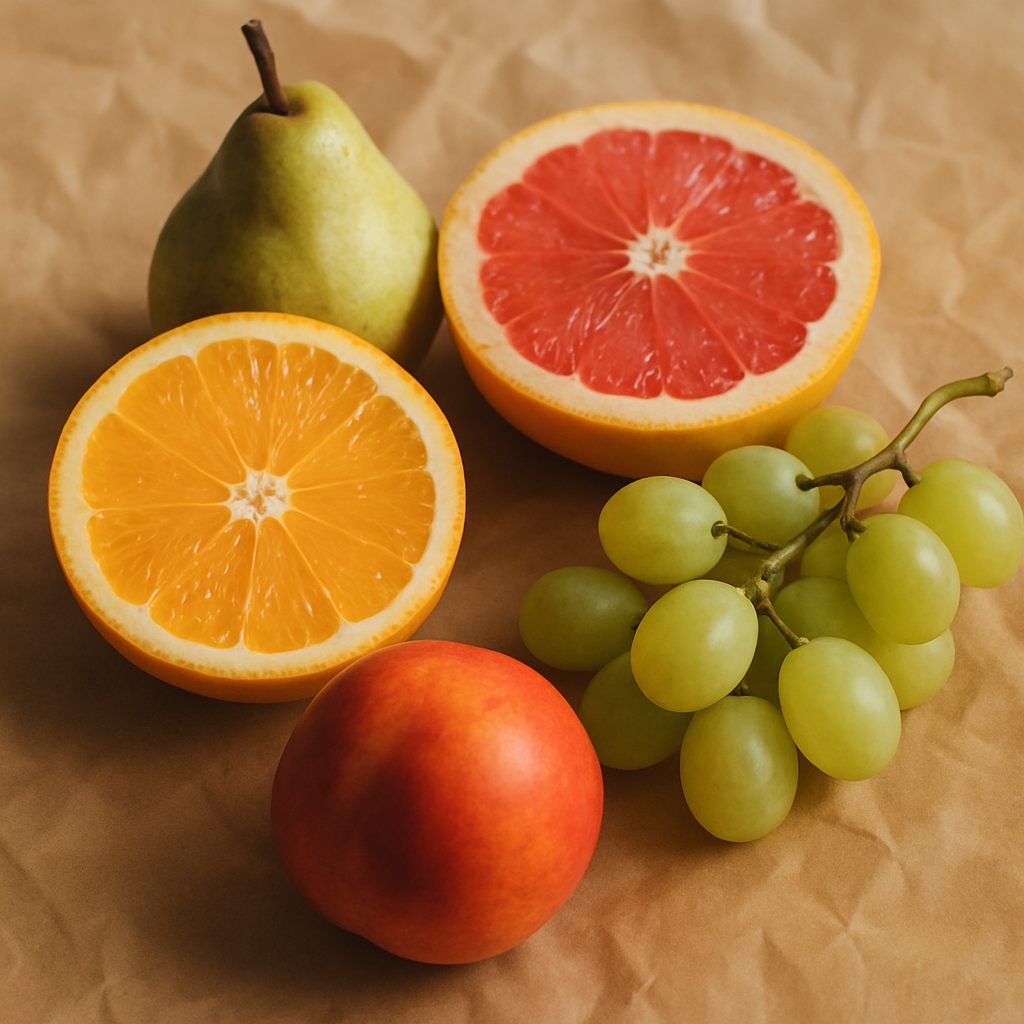
What it is
This is the fleshy, pear-shaped pseudofruit that grows below the cashew nut. It is known for its vibrant color and distinct tropical flavor. The texture is often described as slightly fibrous and juicy, with a taste that can range from tart to sweet, depending on ripeness. It is a unique part of the cashew plant, often overlooked in favor of the nut itself. This fruit is a natural product from Brazil.
How people cook with it
Cashew fruit can be enjoyed in various ways, offering a taste of the tropics in your kitchen.
- Juiced for refreshing drinks
- Added to smoothies
- Cooked into jams
- Used in desserts
The cashew fruit can be processed to extract its juice, which is then often used as a base for beverages or as a flavoring agent. It can also be cooked down with sugar to create preserves or jams, offering a sweet and tangy spread. Some culinary applications involve incorporating the fruit into baked goods or other desserts, where its unique flavor can complement a variety of ingredients. It can also be dried for later use.
How it differs from similar foods
Unlike the cashew nut, which is hard and oily, the cashew fruit is soft, juicy, and has a much higher water content. Its flavor profile is also distinct, offering a fruity tanginess that is absent in the nut. The texture is also a significant difference, being pulpy and fibrous rather than crunchy.
Who it is for
Home cooks and adventurous eaters looking to explore exotic fruit flavors will appreciate this product.
How to keep the rest
Once opened, store any unused cashew fruit or its processed forms in an airtight container in the refrigerator. It is best consumed within a few days to maintain its freshness and flavor. If the fruit is whole, it should be kept cool.