
Grocery
Classic Candy Corn
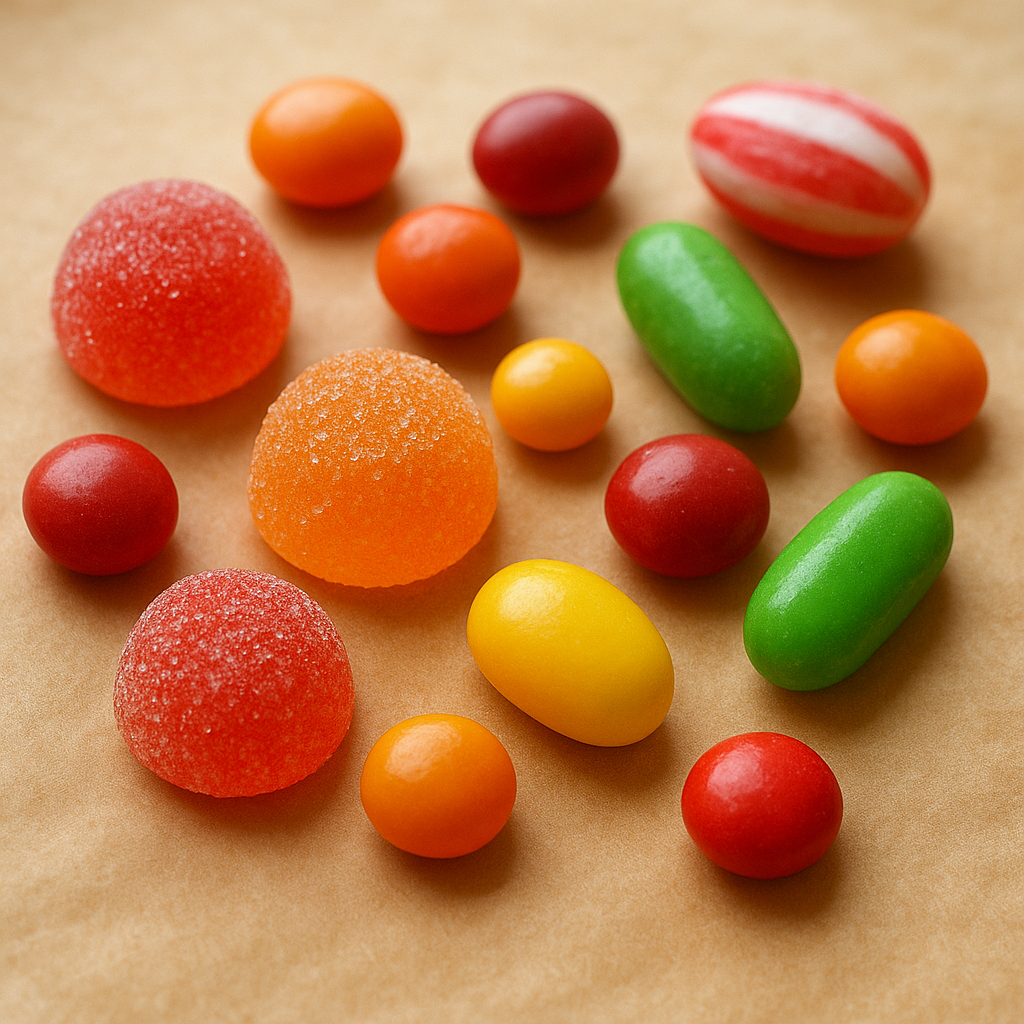
What it is
This is a popular confection typically enjoyed around autumn holidays. It is made primarily from sugar, corn syrup, and artificial coloring. The candy has a distinctive waxy texture and a sweet, slightly honey-like flavor. Its iconic tri-color design, featuring yellow, orange, and white sections, makes it instantly recognizable. It is often sold in bags or small boxes, making it convenient for sharing or individual enjoyment.
How people cook with it
People use this candy in various ways, from simple snacking to creative culinary applications.
- Snacking straight from the bag
- Decorating baked goods
- Adding to snack mixes
- Creating festive treats
This candy is primarily eaten as is, offering a straightforward sweet experience. Beyond direct consumption, it serves as a decorative element. It can be pressed onto cookies or cakes to add color and a sweet crunch. It also blends well into homemade trail mixes, providing a sugary contrast to nuts and pretzels. Some people enjoy melting it down to create unique candy coatings or drizzles for other desserts, though this requires careful temperature control to prevent burning.
How it differs from similar foods
Compared to gummy candies, this confection has a firmer, waxy texture and a less chewy consistency. Its flavor profile is distinctly sugary with subtle honey notes, differing from the fruit-based flavors common in gummies. The layered color pattern is also a unique visual characteristic.
Who it is for
Home bakers and snack enthusiasts often incorporate this candy into their seasonal creations.
How to keep the rest
To maintain its texture and flavor, store any remaining candy in an airtight container at room temperature. Avoid exposing it to excessive heat or humidity, which can cause it to melt or become sticky. Keep it in a cool, dry place to ensure it stays fresh for future use.