
Grocery
Classic Red and White Striped Candy Canes
What it is
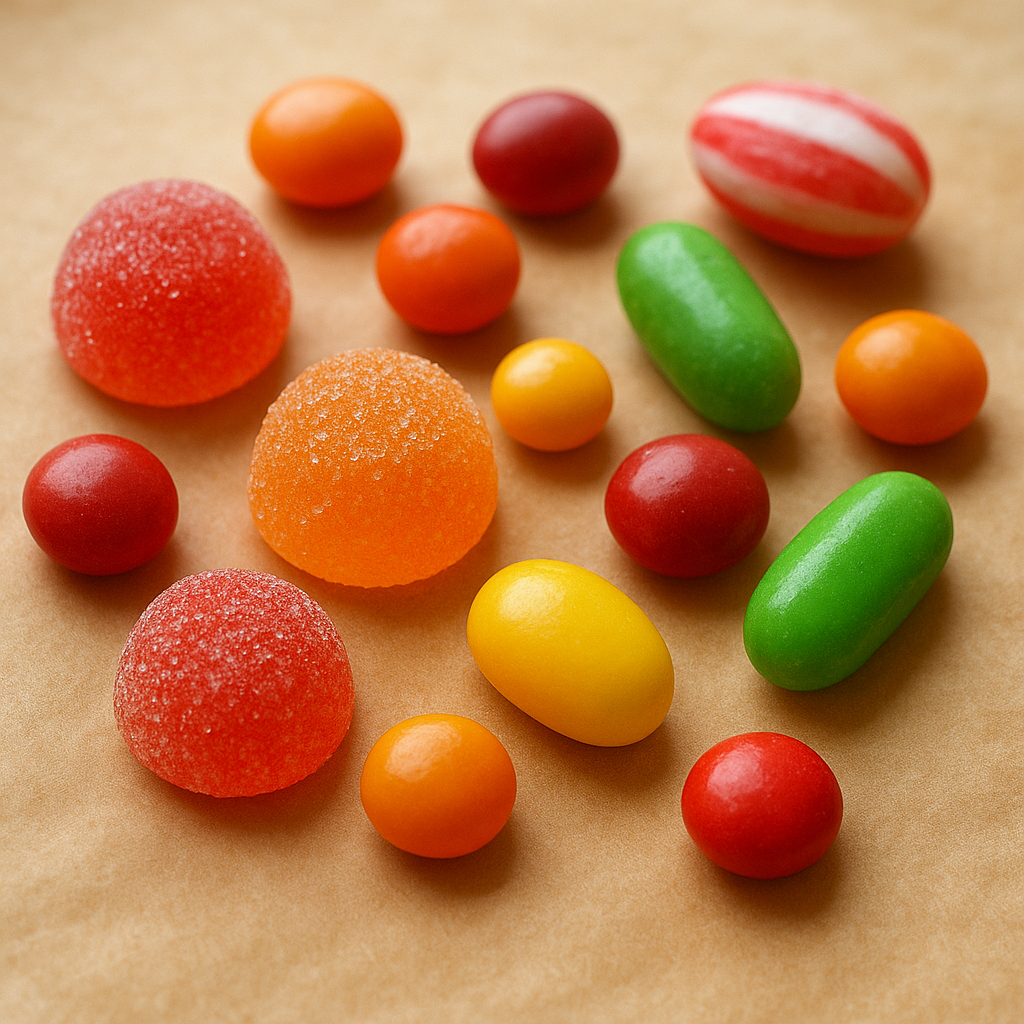
These are traditional hard candies shaped like canes, featuring alternating red and white stripes. They are made primarily from sugar, corn syrup, and peppermint flavoring, giving them a distinct sweet and minty taste. The rigid texture of the candy cane makes it suitable for various decorative and edible purposes. Their festive appearance also makes them a popular choice during holiday seasons.
How people cook with it
Candy canes are often enjoyed as a simple sweet treat or used to add a festive touch to holiday decorations and baked goods.
- Holiday decorations
- Stocking stuffers
- Sweet snacking
- Baking embellishments
Candy canes can be enjoyed by slowly dissolving them in the mouth for a long-lasting minty flavor. They can also be crushed or broken into smaller pieces to be sprinkled over cookies, cakes, or cupcakes as a decorative and flavorful topping. Some people use whole candy canes as edible ornaments on gingerbread houses or as stirrers for hot beverages like cocoa or coffee. Their distinctive shape also lends itself to creative craft projects, especially during the winter holidays.
How it differs from similar foods
Compared to softer candies, candy canes are very hard and brittle, requiring a different approach to consumption and use. Their strong peppermint flavor is also a defining characteristic, setting them apart from other sweet confections that may offer a wider range of fruit or cream profiles. The iconic hooked shape is also a significant differentiator.
Who it is for
These candies are enjoyed by people of all ages looking for a classic holiday sweet.
How to keep the rest
To maintain their crispness and flavor, store leftover candy canes in an airtight container or resealable bag at room temperature. Keep them away from moisture and direct sunlight, which can cause them to become sticky or lose their potency. Proper storage ensures they remain a delightful treat for future enjoyment.