
Grocery
Sweet Chocolate Candy Bars
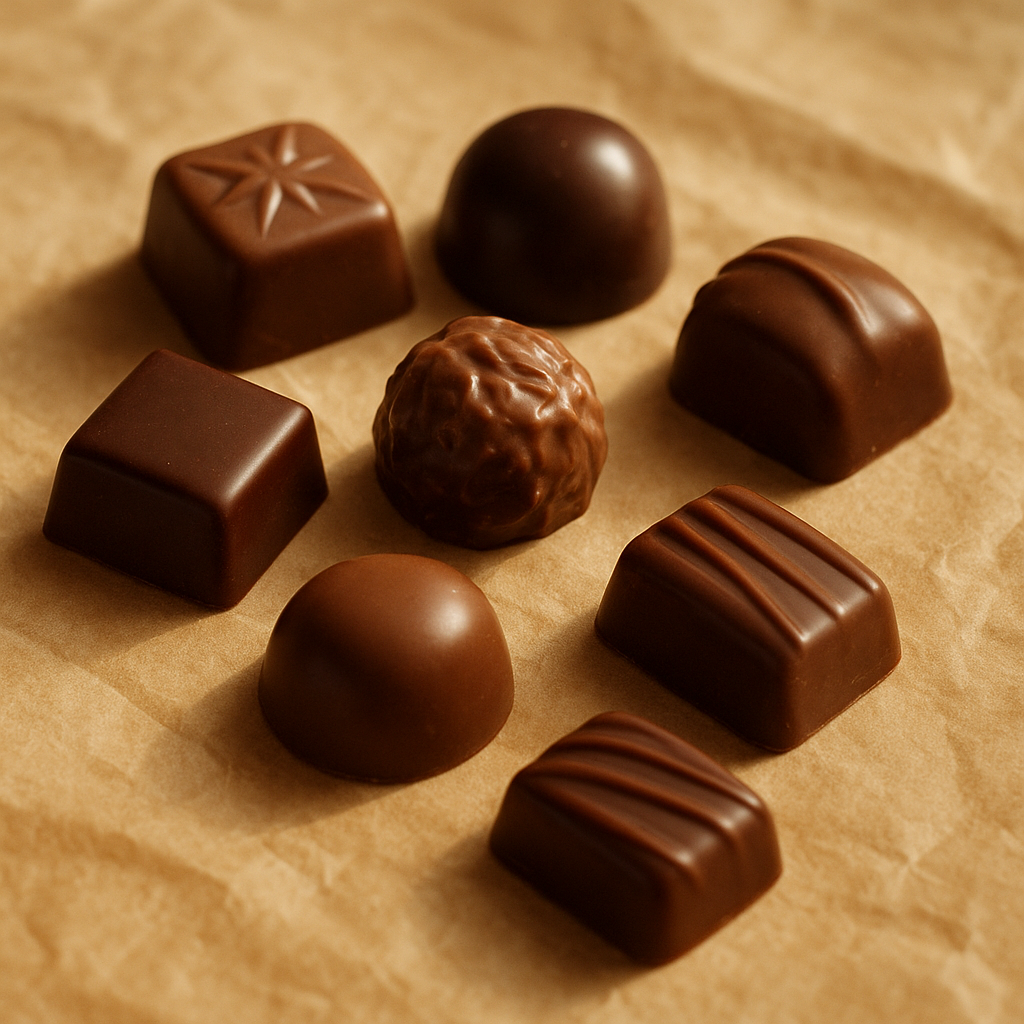
What it is
These are individually wrapped confectionery bars featuring a sweet chocolate coating. They often contain a filling, which can vary widely from nougat and caramel to nuts and crispy wafers. The combination of textures and flavors makes them a popular treat for many occasions. Each bar is designed for a single serving, providing a quick and satisfying sweet indulgence. The chocolate used can range in type, from milk chocolate to darker varieties, influencing the overall taste profile.
How people cook with it
These candy bars are primarily enjoyed as a standalone sweet snack. They are also frequently incorporated into desserts and baked goods.
- Enjoyed as a quick sweet treat
- Added to ice cream sundaes
- Crumbled into cookie dough
- Used as a topping for cakes
The most common way to enjoy these candy bars is to unwrap them and eat them directly. For more creative culinary applications, they can be chopped or melted. Chopped pieces can be stirred into batters for cookies, brownies, or cakes, adding pockets of chocolatey goodness. Melted chocolate from the bars can be used as a drizzle over pastries, a dip for fruits, or as a component in homemade candies and truffles. They can also be frozen and then broken into smaller chunks for a different texture experience.
How it differs from similar foods
These candy bars differ from plain chocolate bars by typically including a distinct filling, such as caramel or nougat, which adds layers of texture and flavor. The outer coating is usually a specific type of chocolate, distinct from the filling's composition. This combination creates a more complex eating experience than a solid chocolate bar.
Who it is for
People of all ages often reach for these candy bars when seeking a sweet indulgence or a simple dessert component.
How to keep the rest
To maintain their quality, store any remaining candy bars in a cool, dry place away from direct sunlight. Ensure they are kept in their original wrappers or a sealed container to prevent them from drying out or absorbing unwanted odors. Avoid storing them in very warm conditions, as this can cause the chocolate to melt and affect the texture.