
Grocery
Sweet Chocolate Bar
What it is
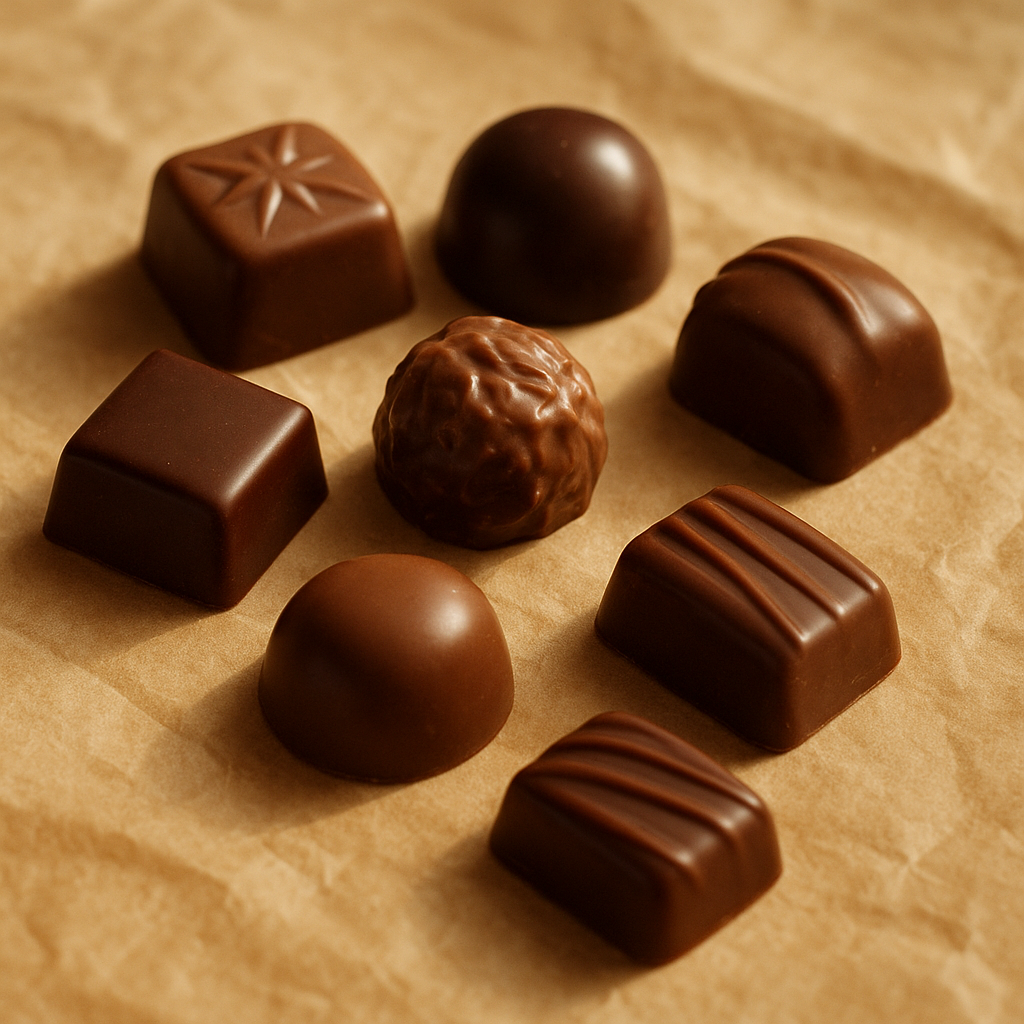
This is a pre-portioned confection made primarily from cocoa solids, sugar, and often milk solids. It is typically formed into a solid bar and may contain additions like nuts, caramel, or nougat. The texture can range from smooth and melting to chewy and crunchy, depending on the specific formulation and inclusions. It is a popular treat enjoyed for its sweet and rich flavor profile.
How people cook with it
Candy bars are commonly eaten as a standalone snack or dessert. They can also be incorporated into various baked goods and desserts.
- Enjoyed as a quick snack
- Added to cookie dough
- Melted for toppings
- Chopped for ice cream
To enjoy as a snack, simply unwrap the bar and consume. For baking, candy bars can be chopped into smaller pieces and mixed into batters for cookies, brownies, or muffins. Larger chunks can be added for pockets of melted chocolate. Some varieties can be gently melted over low heat or in a microwave to create a sauce or glaze for cakes, pastries, or fruits. The type of candy bar used can influence the final flavor and texture of the dish.
How it differs from similar foods
This type of candy bar differs from pure chocolate by its inclusion of sugar and often milk, creating a sweeter and creamier profile. It may also contain other ingredients like nuts or caramel, which are not typically found in plain chocolate bars. The processing also contributes to its unique texture and melt.
Who it is for
People looking for a sweet treat or a convenient dessert ingredient will find this item appealing.
How to keep the rest
To maintain freshness, store any remaining candy bar in its original wrapper or an airtight container. Keep it in a cool, dry place away from direct sunlight and heat to prevent melting or spoilage. Avoid storing in humid environments, as this can affect the texture.