
First Street · 18
First Street Cage-Free Eggs, 18 Count
What it is
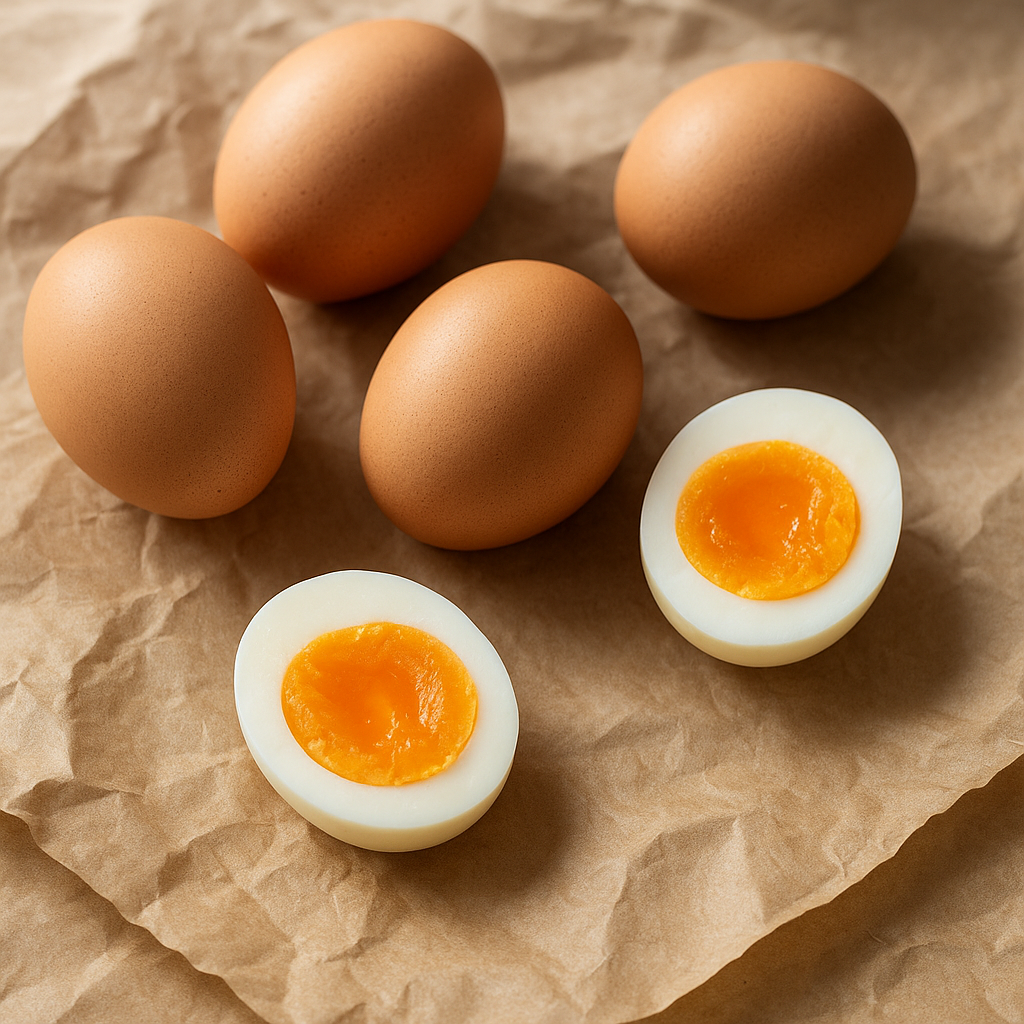
These are eggs produced by hens that are not confined to cages. The hens have the freedom to roam within their barn or henhouse, allowing for more natural behaviors. This method of production is often chosen by consumers seeking alternatives to conventional cage-raised eggs. The eggs are a staple in many kitchens and are known for their versatility.
How people cook with it
Eggs are a fundamental ingredient in countless dishes, both sweet and savory. They can be the star of a meal or a crucial binder and enricher in other preparations.
- Scrambled for breakfast
- Baked into cakes
- Fried for sandwiches
- Whipped into meringues
Eggs can be cooked in many ways. They can be gently simmered in water to create hard-boiled or soft-boiled eggs, perfect for salads or snacking. For a quick meal, they can be whisked with a splash of milk or water and cooked in a skillet until set, resulting in fluffy scrambled eggs. They are also essential for binding ingredients in meatballs and meatloaf, or for creating custards and sauces. Their ability to emulsify makes them vital for mayonnaise and hollandaise.
How it differs from similar foods
Cage-free eggs differ from conventional eggs primarily in the living conditions of the hens.
Who it is for
Home cooks and professional chefs alike rely on eggs for their culinary applications.
How to keep the rest
To maintain freshness, store the remaining eggs in their original carton in the refrigerator. Keep them on a shelf rather than in the door, as the temperature is more consistent there. Ensure they are kept away from strong-smelling foods to prevent odor absorption.