
Grocery
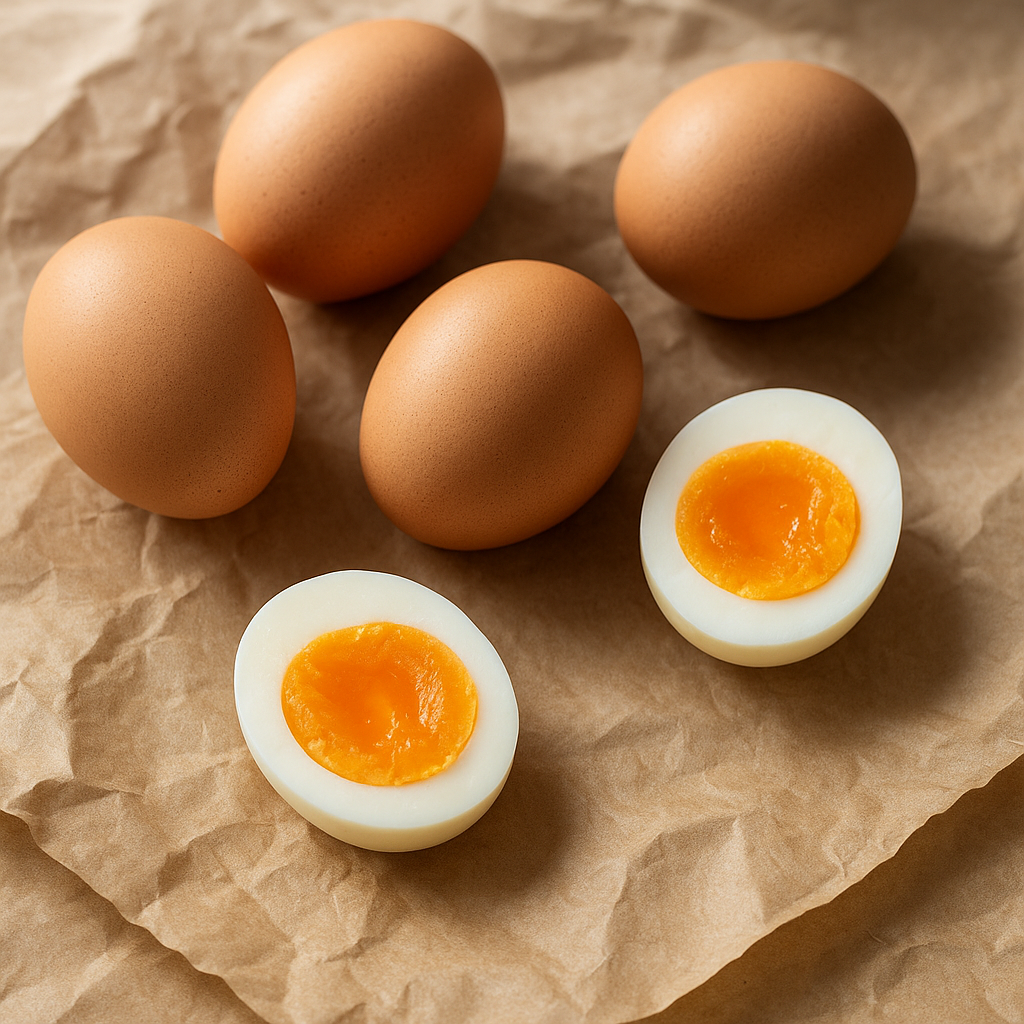
Cage-Free Brown Eggs
What it is
These are eggs laid by hens that are not confined to cages. They are able to roam freely within a barn or poultry house. They are a common staple in many kitchens, prized for their versatility and natural goodness.
How people cook with it
Eggs are a fundamental ingredient in countless dishes, both sweet and savory. They can be the star of a meal or a crucial binder and leavening agent.
- Scrambled for breakfast
- Baked into cakes
- Fried as a side dish
- Whipped into meringues
Eggs can be prepared in numerous ways. They can be gently whisked with a fork and cooked in a lightly oiled pan to create fluffy scrambled eggs. For a firmer texture, they can be fried until the whites are set and the yolk is cooked to your preference. They also serve as a binder in meatballs and meatloaf, or as a leavening agent when whipped, adding air and lightness to baked goods like cakes and soufflés. Their ability to emulsify makes them essential for mayonnaise and hollandaise sauce.
How it differs from similar foods
Unlike eggs from caged hens, cage-free eggs come from birds with more space to move. This difference in housing is the primary distinction. The shell color, whether brown or white, is determined by the hen's breed and does not affect the egg's internal quality or taste.
Who it is for
Home cooks and professional chefs alike rely on eggs for their culinary applications.
How to keep the rest
To keep leftover eggs fresh, store them in their original carton in the coldest part of your refrigerator, typically on a middle shelf. This prevents them from absorbing odors and protects them from temperature fluctuations. Use them within a few weeks for best quality.