
Weis
Weis Cage Free Barn Laid Nest Eggs
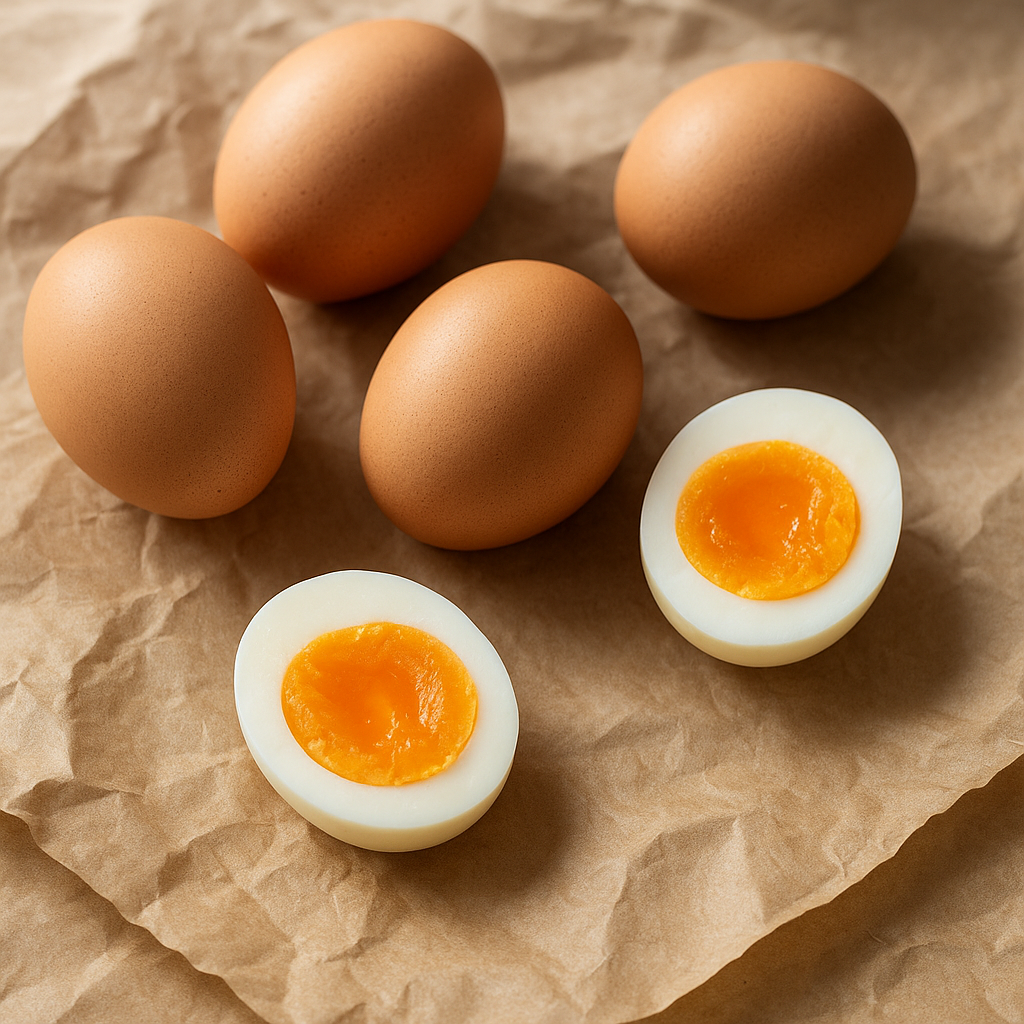
What it is
These are fresh chicken eggs laid by hens that are raised in a barn environment. The hens have access to open spaces within the barn to roam and exhibit natural behaviors. This method of raising hens is distinct from cage-free or free-range systems, offering a specific type of welfare consideration for the laying birds. The eggs are collected from these hens and are intended for direct consumption or culinary use.
How people cook with it
Eggs are a versatile ingredient found in kitchens worldwide. They can be prepared in numerous ways or incorporated into a wide range of dishes.
- Scrambled for breakfast
- Baked into cakes
- Fried for sandwiches
- Whipped into meringues
Eggs can be cooked by frying, scrambling, poaching, or boiling. For baking, they often serve as a binder, leavening agent, or enricher of doughs and batters. When whisked, they can create airy textures for dishes like soufflés or mousses. The yolk provides richness and emulsification, while the white contributes structure. Their adaptability makes them a staple for both simple meals and complex culinary creations. They are also a key component in sauces and custards.
How it differs from similar foods
Cage-free barn laid eggs come from hens housed in large, open barns. This differs from conventional cage systems where hens are kept in confined spaces. While also cage-free, barn-laid systems may offer more enrichment within the barn structure compared to some other cage-free environments. The specific welfare standards can vary between producers.
Who it is for
Home cooks and professional chefs frequently use these eggs in their daily meal preparation.
How to keep the rest
To maintain freshness, store the remaining eggs in their original carton in the refrigerator. Keep them away from strong odors, as they can absorb them. Ensure the carton is closed to prevent drying out. Proper refrigeration helps extend their shelf life for optimal quality.