
Grocery
Cultured Buttermilk
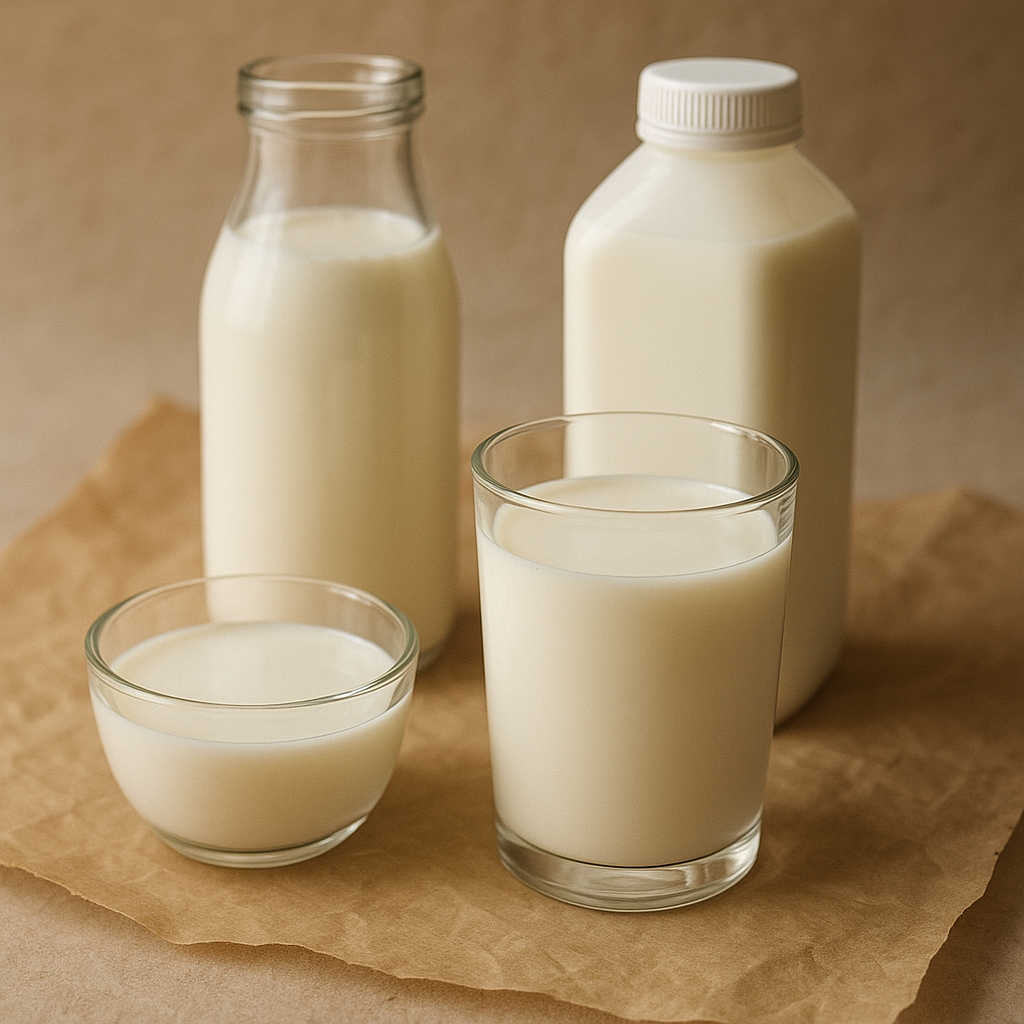
What it is
Cultured buttermilk is a dairy product made by fermenting milk with lactic acid bacteria. This process gives it a tangy flavor and a thicker consistency than regular milk. The fermentation also creates a unique texture that is beneficial in baking. It is a staple in many kitchens for its distinct taste and culinary properties. This cultured milk is a versatile ingredient.
How people cook with it
Buttermilk is commonly used in both sweet and savory cooking. Its unique properties make it ideal for tenderizing meats and creating light baked goods.
- Marinades for poultry
- Pancakes and waffles
- Biscuits and scones
- Salad dressings
In baking, buttermilk reacts with leavening agents like baking soda to produce a tender crumb and a light texture in cakes, muffins, and quick breads. Its acidity helps to tenderize meat when used in marinades, resulting in a more succulent final product. It can also be used as a base for creamy salad dressings or as a refreshing drink on its own. The tangy flavor adds depth to many dishes.
How it differs from similar foods
Unlike regular milk, cultured buttermilk has a distinct sourness due to the fermentation process. This tanginess is what sets it apart and makes it a preferred ingredient for achieving specific textures and flavors in recipes, particularly in baked goods where it contributes to tenderness.
Who it is for
Home cooks and bakers often reach for buttermilk to enhance the texture and flavor of their dishes.
How to keep the rest
To store leftover buttermilk, keep it tightly sealed in its original container in the refrigerator. It should be consumed before the expiration date. Proper refrigeration helps maintain its quality and prevent spoilage.