
Grocery
Unsalted Butter Sticks
What it is
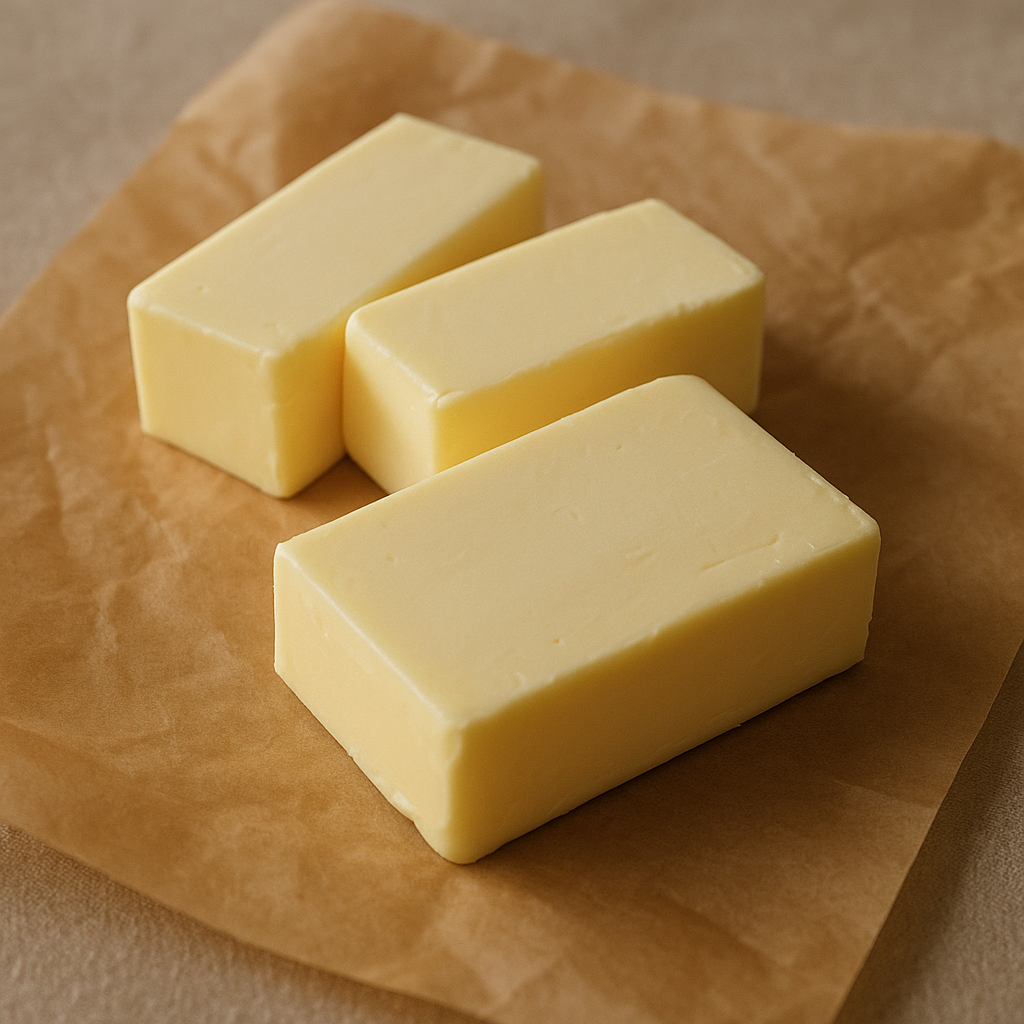
These are solid blocks of butter, typically sold in standardized sticks. They are made from churned cream and are a fundamental ingredient in many kitchens. This particular product is unsalted, meaning it does not have any added salt. This allows the cook to control the salt level in their dishes. The texture is firm when cold and softens considerably at room temperature, making it versatile for various culinary applications.
How people cook with it
Butter is a staple for both cooking and baking. It adds richness and flavor to a wide array of dishes.
- Baking cakes and cookies
- Sautéing vegetables
- Spreading on toast
- Sauce base
When baking, butter is often creamed with sugar to create a light and airy base for cookies, cakes, and pastries. It can also be melted and added to batters or used to grease baking pans. For savory cooking, it's excellent for sautéing aromatics like onions and garlic, or for pan-frying meats and fish, imparting a golden-brown crust and a rich flavor. It can also be whisked into sauces to add body and a smooth finish. Remember to let it come to room temperature for easier creaming or softening.
How it differs from similar foods
Unsalted butter allows for precise control over the salt content in recipes, which is especially important in baking where salt levels can significantly affect flavor and texture. Salted butter, conversely, has added salt, which can contribute to flavor but may make it harder to adjust the overall saltiness of a dish.
Who it is for
Home cooks and professional chefs rely on butter for its unique properties in both sweet and savory preparations.
How to keep the rest
To maintain freshness, store unopened butter sticks in the refrigerator. Once opened, wrap them tightly in their original packaging or in foil to prevent them from absorbing odors from other foods. For longer storage, butter can be frozen.