
Grocery
Buttermilk for Baking and Cooking
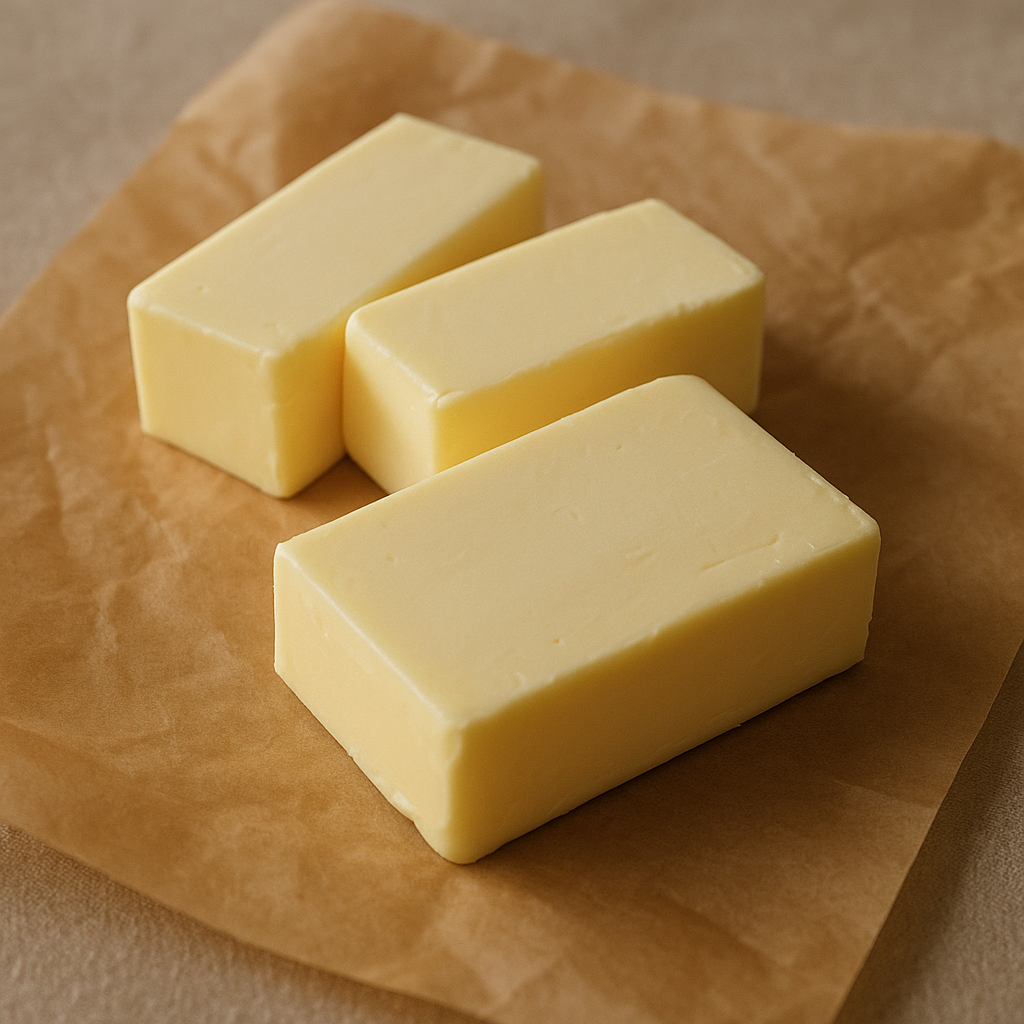
What it is
Buttermilk is a dairy product with a tangy flavor and a slightly thicker consistency than regular milk. It is traditionally the liquid left behind after churning butter from cream. Modern buttermilk is often cultured, meaning beneficial bacteria are added to milk to achieve a similar taste and texture. This cultured variety is widely available in grocery stores and is a staple in many kitchens.
How people cook with it
Buttermilk is a versatile ingredient that adds moisture and tenderness to baked goods and depth of flavor to savory dishes.
- Pancakes and Waffles
- Biscuits and Scones
- Marinades for Poultry
- Dressings and Dips
In baking, buttermilk's acidity reacts with leavening agents like baking soda, creating a lighter and fluffier texture in cakes, muffins, and quick breads. It also contributes a pleasant tang that balances sweetness. For savory applications, buttermilk makes an excellent base for marinades, tenderizing meats like chicken and pork. It can also be used to create creamy dressings and dips, adding a subtle sour note that enhances other flavors. Its richness also makes it suitable for mashed potatoes.
How it differs from similar foods
Unlike regular milk, buttermilk has a distinct sour taste due to its culturing process. This acidity also makes it more effective at tenderizing proteins and activating baking soda for leavening. Its slightly thicker body can also contribute to a richer mouthfeel in certain recipes.
Who it is for
Home cooks and bakers who want to enhance the texture and flavor of their recipes.
How to keep the rest
After opening, store the remaining buttermilk in its original container in the refrigerator. Ensure the container is tightly sealed to maintain freshness. It is best to consume it within the recommended shelf life indicated on the packaging for optimal quality.