
Grocery
Bucatini Pasta
What it is
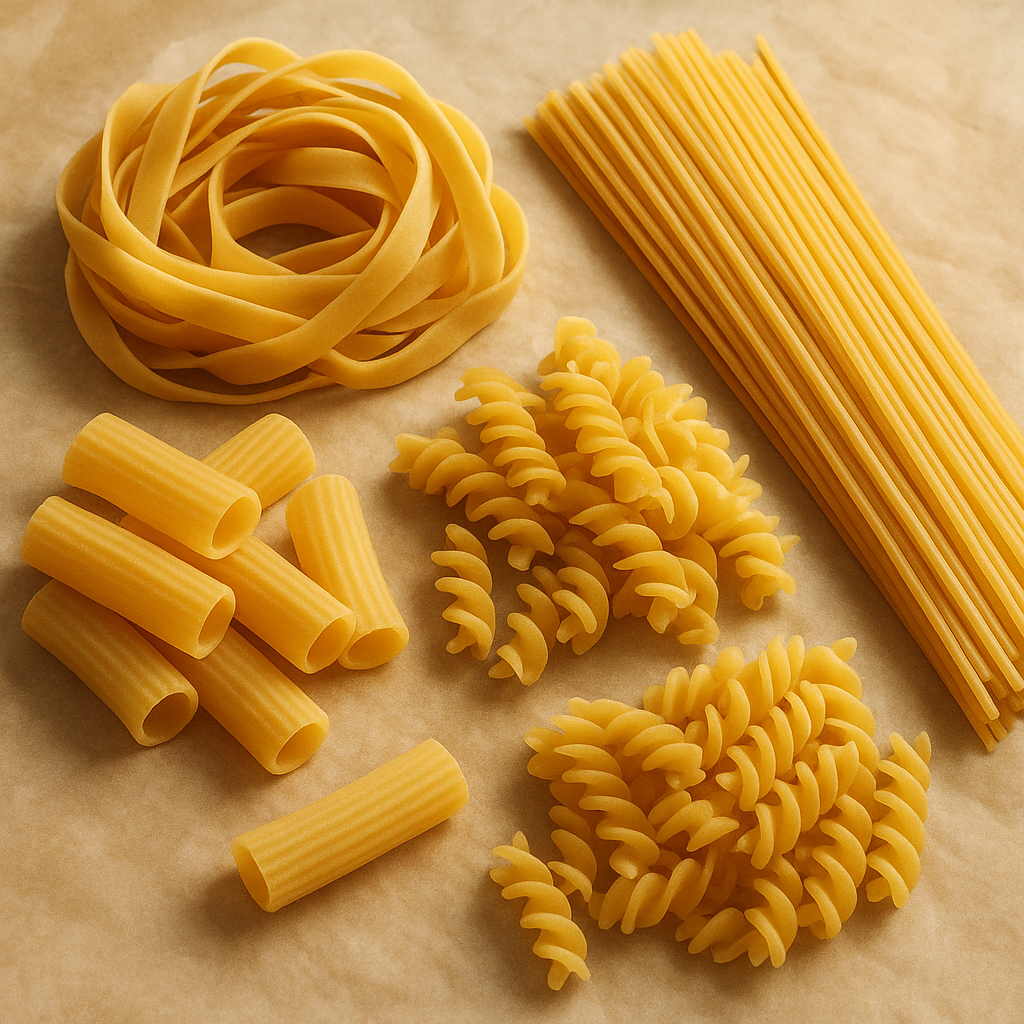
Bucatini is a long, hollow pasta shape originating from Italy. It resembles thick spaghetti with a hole running through the center. This unique structure allows sauce to flow through the pasta, infusing every bite with flavor. It is typically made from durum wheat semolina and water, creating a firm texture that holds up well to cooking. The pasta's thickness provides a satisfying chew.
How people cook with it
Bucatini is a versatile pasta shape that pairs well with a variety of sauces. Its hollow center makes it particularly good for capturing rich and hearty sauces.
- With hearty meat sauces
- In baked pasta dishes
- With creamy carbonara
- Tossed with simple olive oil and garlic
To prepare bucatini, bring a large pot of salted water to a rolling boil. Add the bucatini and stir occasionally to prevent sticking. Cook according to package directions until al dente, which means it should be tender but still have a slight bite. Drain the pasta, reserving some of the cooking water. Toss the drained bucatini immediately with your chosen sauce, adding a little reserved pasta water if needed to help the sauce coat the strands evenly. Serve hot.
How it differs from similar foods
Unlike spaghetti, bucatini's defining characteristic is its central hole. This hole allows sauces to penetrate and coat the pasta from the inside as well as the outside. It also cooks slightly differently due to its thickness and hollow nature, often requiring a bit more cooking time than thinner pasta shapes.
Who it is for
Home cooks who enjoy traditional Italian pasta dishes will appreciate this shape.
How to keep the rest
Store uncooked bucatini in a cool, dry place in its original packaging or an airtight container. Properly stored, it can maintain its quality for a long time. Once cooked, leftovers should be refrigerated and consumed within a few days.