
Grocery · 16 oz
Brown Sugar, 16 oz
What it is
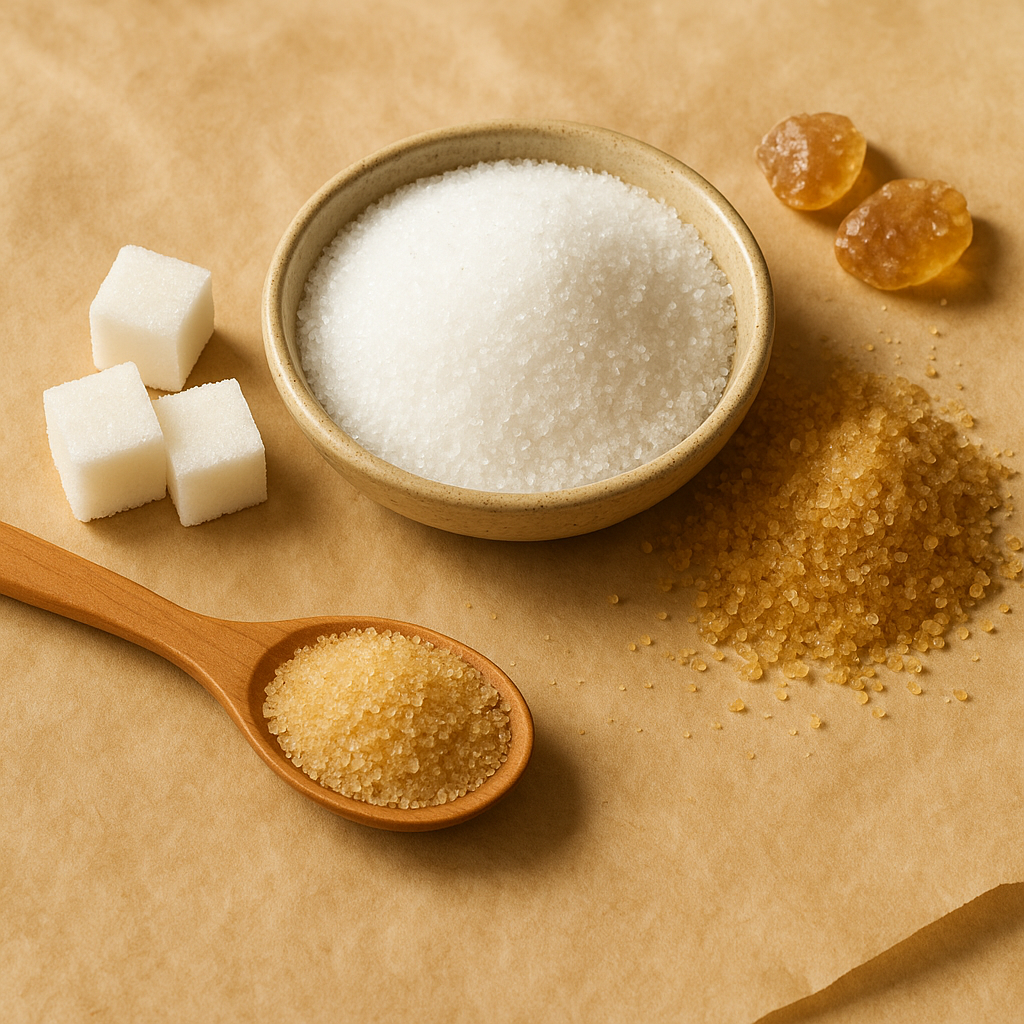
This is granulated sugar that has had molasses added back into it. The amount of molasses determines the color and flavor. It has a moist texture and a distinct caramel-like taste. It is a common ingredient in baking and cooking, adding sweetness and moisture to a variety of dishes.
How people cook with it
Brown sugar is a versatile ingredient that adds depth of flavor and tenderness to baked goods and savory dishes alike.
- Sweetening baked goods
- Glazing meats
- Adding moisture to cookies
- Flavoring sauces
When baking, brown sugar is often used in combination with granulated white sugar to achieve a desirable texture and flavor profile. Its moisture content helps cookies spread and become chewy, while its molasses notes contribute a rich caramel undertone. In savory applications, it can be used to create glazes for roasted meats or to balance the acidity in barbecue sauces. It dissolves readily in liquids, making it suitable for marinades and braising liquids. The amount used can be adjusted to achieve desired sweetness and color.
How it differs from similar foods
Compared to white granulated sugar, brown sugar contains molasses, which imparts a darker color, a softer texture, and a distinct caramel flavor. Light brown sugar has less molasses than dark brown sugar, resulting in a milder flavor and lighter hue. This difference in molasses content affects the final taste and appearance of cooked dishes.
Who it is for
Home bakers and cooks often reach for brown sugar to enhance the flavor and texture of their culinary creations.
How to keep the rest
To maintain its soft, moist texture, store brown sugar in an airtight container at room temperature. If it becomes dry, you can rehydrate it by placing a slice of bread or an apple wedge in the container for a day or two. Avoid refrigerating, as this can cause it to harden.