
bowl & basket · 24 oz
Bowl & Basket Brown Eggs, 24 oz
What it is
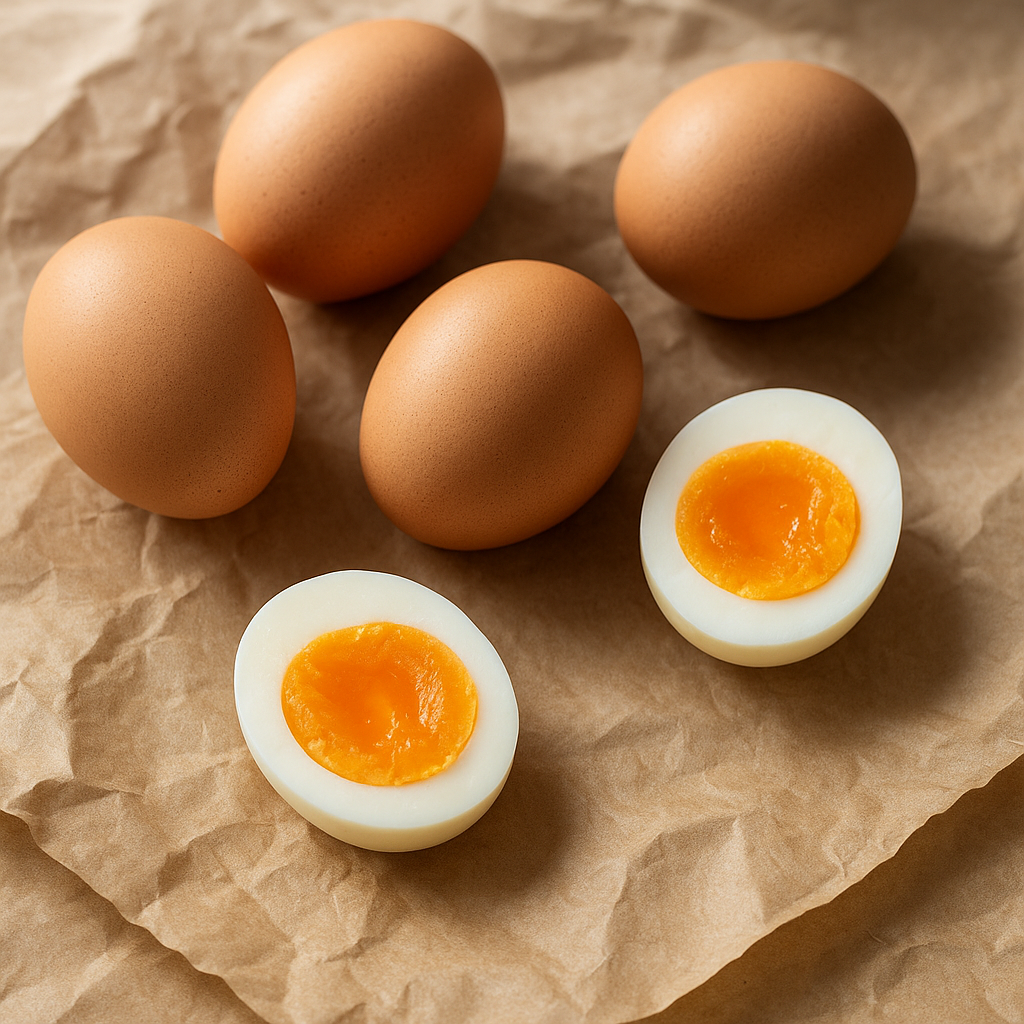
These are fresh hen eggs, distinguished by their brown shells. The color of the shell is determined by the breed of the hen that laid the egg. They are carefully packed to ensure they arrive at your home intact.
How people cook with it
Eggs are incredibly versatile in the kitchen. They can be the star of a meal or a supporting player in countless dishes.
- Scrambled for breakfast
- Baked into cakes
- Fried for sandwiches
- Used as a binder in meatballs
Brown eggs can be prepared in numerous ways. They are excellent when fried until the whites are set and the yolks are still runny, perfect for dipping toast. Scrambling them with a splash of milk or cream creates a fluffy texture. They are also essential for baking, providing structure and richness to cakes, cookies, and pastries. When hard-boiled, they make a convenient snack or salad topping. Their ability to emulsify makes them crucial for sauces like hollandaise.
How it differs from similar foods
The primary difference between brown and white eggs is the breed of the hen. Brown eggs come from hens with red or brown feathers, while white eggs come from hens with white feathers. The shell color does not affect the egg's quality or internal characteristics.
Who it is for
Home cooks and bakers often choose brown eggs for their everyday culinary creations.
How to keep the rest
To maintain freshness, store the remaining eggs in their original carton in the refrigerator. Keep them on a shelf rather than the door to ensure a consistent, cold temperature. This helps preserve their quality for several weeks.