
Grocery
Whole Grain Brown Basmati Rice
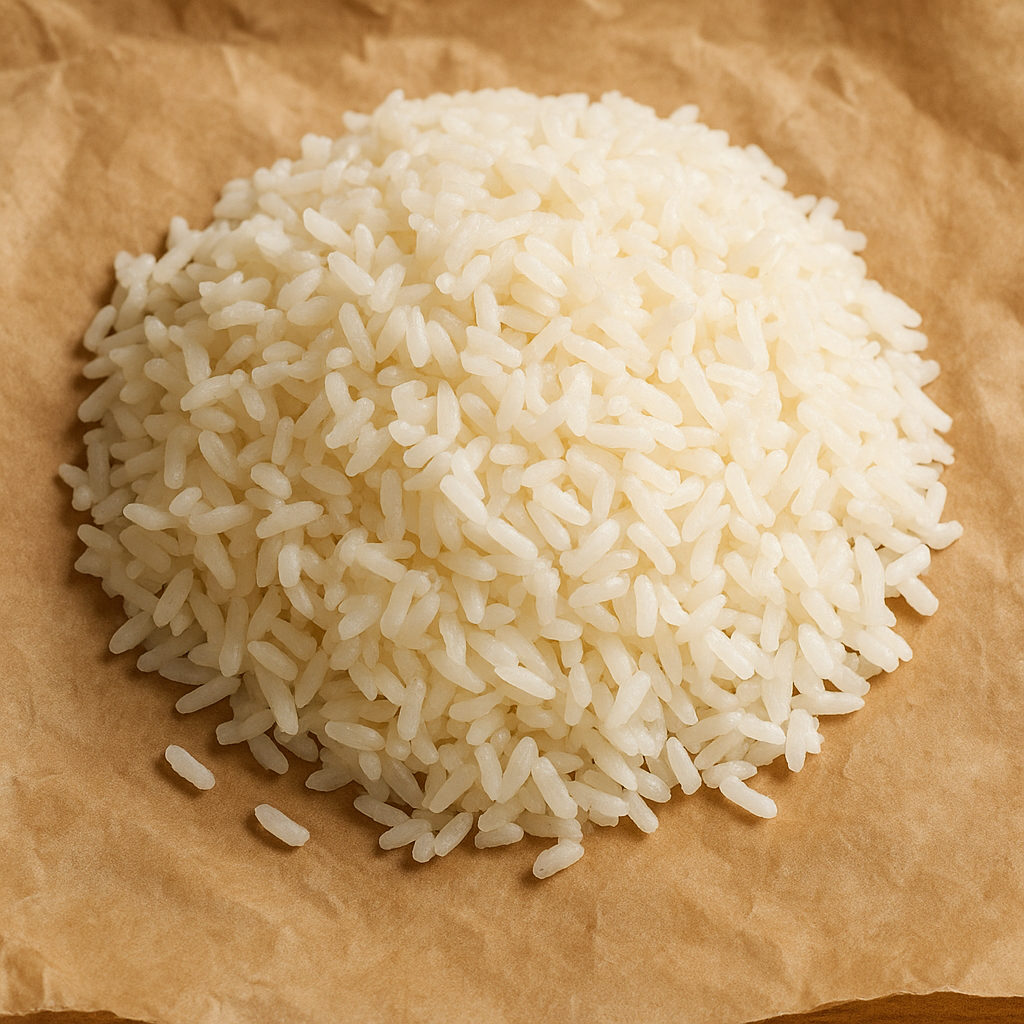
What it is
This is a type of long-grain rice that has not been milled to remove its bran and germ. This means it retains more of its natural nutrients and has a slightly chewier texture and nuttier flavor compared to white rice. The grains are known for their distinct aroma, often described as popcorn-like or floral. It cooks up fluffy and separate, making it a versatile pantry staple for many meals.
How people cook with it
Brown basmati rice is a foundational ingredient for a wide array of dishes, from simple side dishes to complex main courses. Its natural flavor complements many cuisines.
- As a side dish
- In pilafs and casseroles
- As a base for curries
- In grain bowls
To prepare brown basmati rice, rinse the grains under cold water until the water runs clear. Combine one part rice with two parts water or broth in a saucepan. Bring to a boil, then reduce heat to low, cover, and simmer for about 40-45 minutes, or until the liquid is absorbed and the rice is tender. Let it stand, covered, for 5-10 minutes before fluffing with a fork. This cooking method helps the grains absorb moisture evenly and develop their characteristic texture.
How it differs from similar foods
Unlike white basmati rice, brown basmati retains its outer layers, contributing to its slightly firmer texture and longer cooking time. This difference in processing also means it has a more pronounced nutty flavor and a higher content of natural components found in the whole grain.
Who it is for
Home cooks looking for a wholesome and flavorful grain option will find this rice to be a satisfying choice.
How to keep the rest
Store uncooked brown basmati rice in a cool, dry place in an airtight container. For longer storage, it can be kept in the refrigerator or freezer to maintain its freshness and prevent spoilage. Properly stored, it can last for several months.