
Grocery
Brown Sugar
What it is
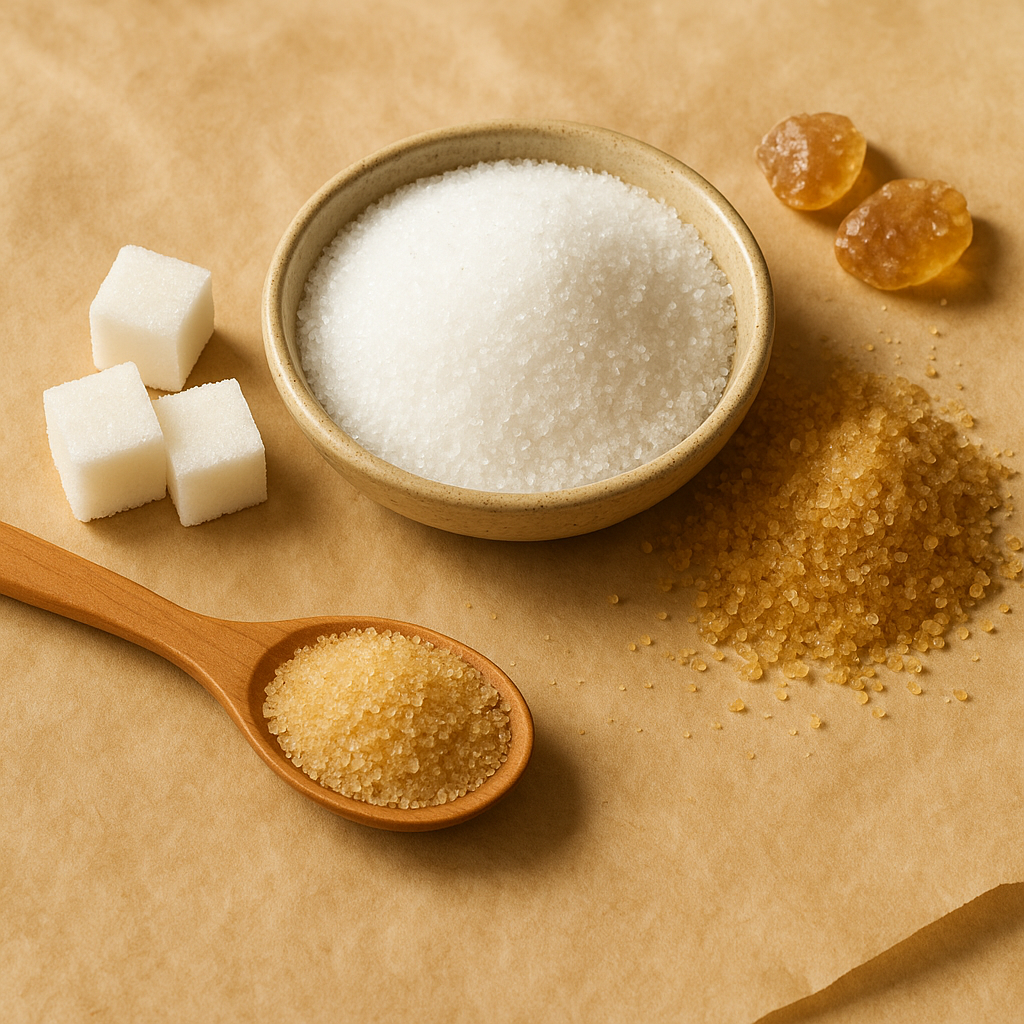
Brown sugar is granulated sugar with the addition of molasses. The amount of molasses determines its color and flavor intensity. Light brown sugar has a milder taste and a softer texture, while dark brown sugar contains more molasses, giving it a deeper color and a richer, more robust flavor. This sweetness comes from the natural sugars in sugarcane or sugar beets.
How people cook with it
Brown sugar is a versatile ingredient that adds depth and moisture to a wide range of baked goods and savory dishes.
- Sweetening baked goods
- Glazing meats
- Adding moisture to cookies
- Flavoring sauces
When baking, brown sugar can be used in cookies, cakes, and muffins to provide a chewy texture and a caramel-like flavor. It's also excellent for creating glazes for roasted meats like ham or pork, offering a beautiful caramelized finish. In sauces and marinades, it balances acidity and adds a subtle sweetness. For recipes calling for granulated sugar, substituting brown sugar can introduce a different flavor profile and a softer crumb. It readily dissolves when heated, making it suitable for both wet and dry applications.
How it differs from similar foods
Unlike white granulated sugar, brown sugar's molasses content gives it a distinct flavor and aroma. This moisture also contributes to a chewier texture in baked goods compared to the crispness often achieved with white sugar. The color difference is also a key visual indicator of its unique composition.
Who it is for
Home bakers and cooks seeking to enhance the flavor and texture of their creations often reach for brown sugar.
How to keep the rest
To keep brown sugar soft and prevent it from hardening, store it in an airtight container at room temperature. If it does become hard, you can revive it by placing a damp paper towel or a slice of apple in the container with the sugar for a few hours.