
Good Chop
Good Chop Boneless Pork Butt
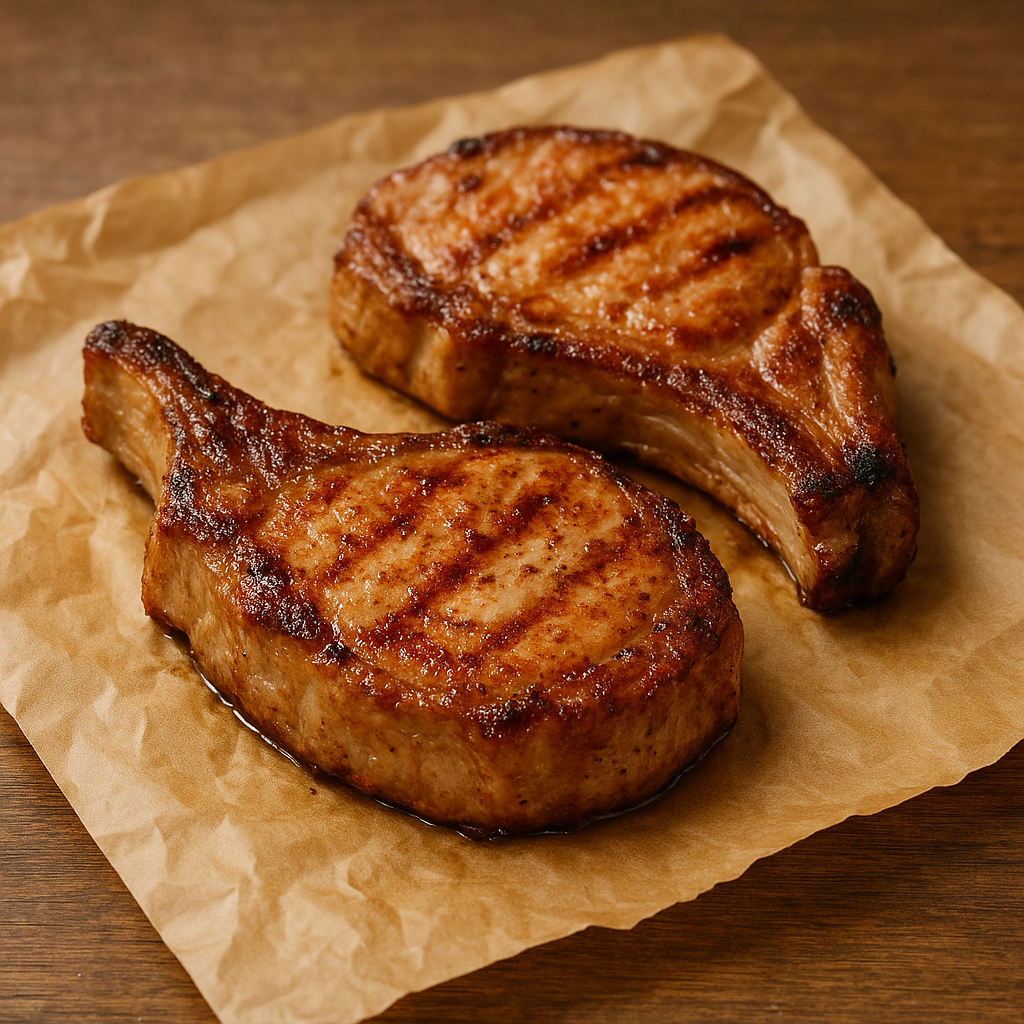
What it is
This is a cut of pork that comes from the shoulder area. It is known for its rich marbling, which means it has a good amount of fat distributed throughout the meat. This fat renders down during cooking, making the pork incredibly tender and flavorful. It is typically sold as a boneless roast, making it convenient for home cooks. The size and shape can vary, but it's generally a substantial piece of meat suitable for feeding a group.
How people cook with it
Boneless pork butt is a versatile cut that excels with slow cooking methods. It is ideal for dishes where tenderness and deep flavor are desired.
- Slow-cooked pulled pork
- Roast pork shoulder
- Braised pork dishes
- Pork carnitas
To prepare boneless pork butt, it is often seasoned generously with rubs or marinades. It benefits greatly from low and slow cooking. This can be achieved by roasting it in the oven at a low temperature for several hours, or by braising it in liquid on the stovetop or in a slow cooker. The goal is to break down the connective tissues and render the fat, resulting in fork-tender meat. Once cooked, it can be shredded or sliced for various applications.
How it differs from similar foods
Compared to leaner pork cuts like loin, pork butt has a higher fat content. This makes it more forgiving during long cooking times and results in a moister, more succulent final product. While pork loin is best cooked quickly to avoid drying out, pork butt is designed for extended cooking to achieve maximum tenderness.
Who it is for
Home cooks looking to prepare hearty and flavorful pork dishes for family meals or gatherings.
How to keep the rest
After cooking, allow any leftover boneless pork butt to cool completely before refrigerating. Store it in an airtight container or wrap it tightly in plastic wrap and then foil. It can be kept in the refrigerator for up to 3-4 days. For longer storage, it can be frozen.