
Grocery
Bone-in Ham for Roasting
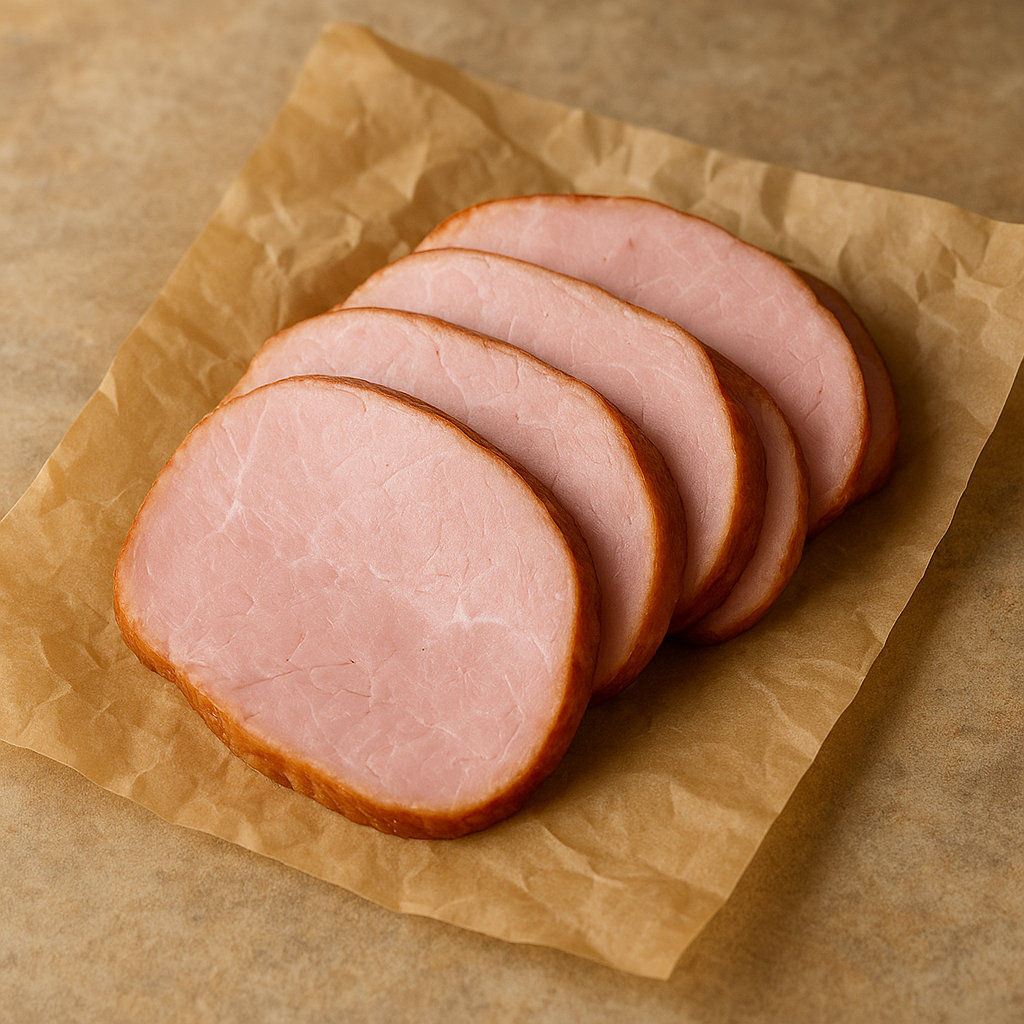
What it is
This is a bone-in ham, a cured pork leg that has been smoked. The bone is left in, which adds flavor and moisture during cooking. It is typically sold fully cooked but is often reheated to enhance its taste and texture. The curing process preserves the meat and gives it a characteristic salty and slightly sweet profile. It is a substantial cut, suitable for feeding a crowd.
How people cook with it
Bone-in ham is a versatile centerpiece for holiday meals and weekend gatherings. It can be prepared in various ways to suit different tastes.
- Roast for a holiday dinner
- Slice for sandwiches
- Dice for breakfast scrambles
- Add to soups and stews
To prepare bone-in ham, preheat your oven to a moderate temperature, around 325°F (160°C). Place the ham in a roasting pan, fat-side up. You can score the fat in a diamond pattern to help render it and allow glazes to penetrate. Baste the ham periodically with its own juices or a chosen glaze, such as honey, brown sugar, or fruit preserves. Cook until the internal temperature reaches about 140°F (60°C) for a fully cooked ham, or 160°F (71°C) for a partially cooked one. Let it rest before carving.
How it differs from similar foods
Bone-in ham differs from boneless ham by retaining the central bone. This bone not only provides a visual appeal but also contributes to a richer, more succulent flavor and moister texture as it cooks. Boneless hams are easier to carve and serve, but may not achieve the same depth of flavor.
Who it is for
Home cooks preparing festive meals or substantial family dinners will find this cut ideal.
How to keep the rest
After cooking, wrap any leftover ham tightly in plastic wrap or aluminum foil. Store it in the refrigerator for up to 3-4 days. For longer storage, it can be frozen, well-wrapped, for up to 2 months. Ensure it is completely cooled before refrigerating or freezing.