
Grocery
Bonavita White Wine Vinegar
What it is
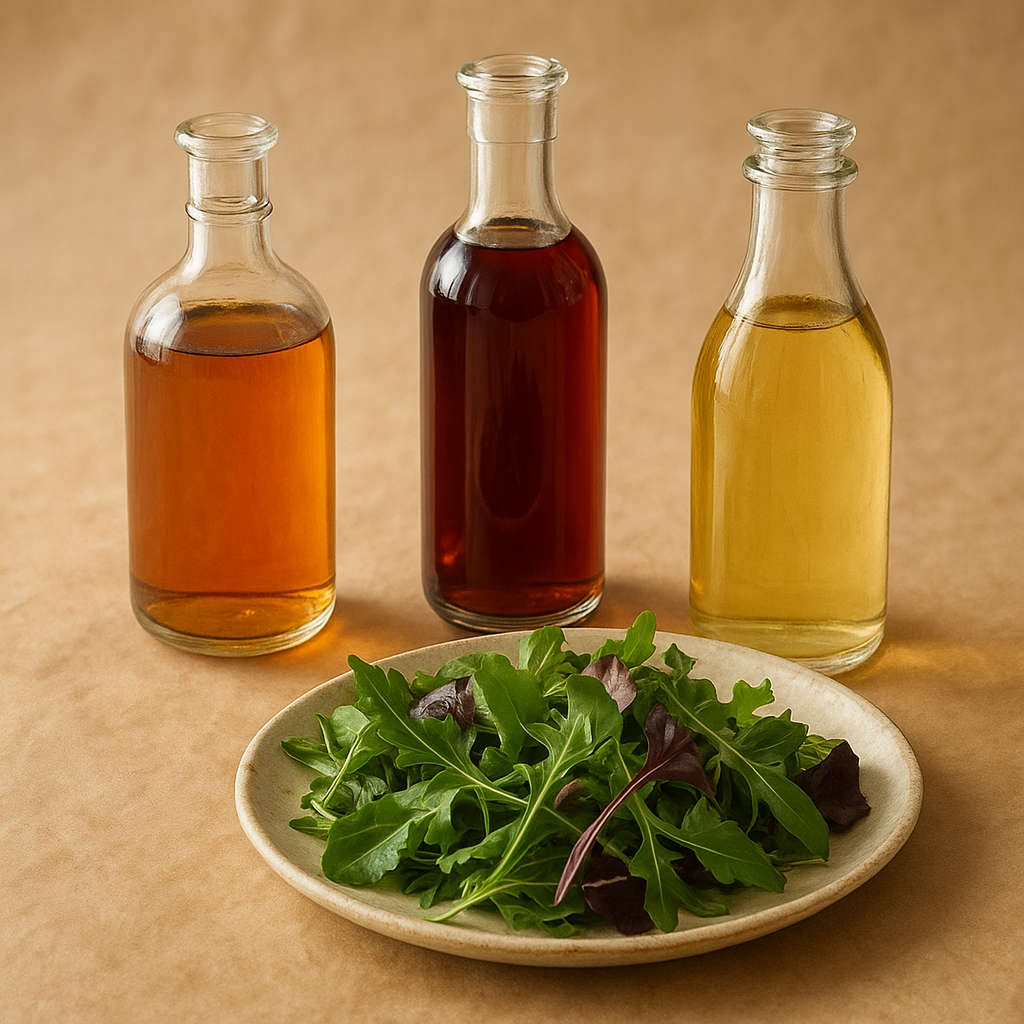
This is a clear, pale yellow vinegar made from fermented white wine. It has a bright, clean flavor profile that is less sharp than some other vinegars. Its acidity is balanced, making it a versatile ingredient in many culinary applications. The fermentation process gives it a subtle complexity without being overpowering. It is a staple in many kitchens for its ability to enhance and balance flavors in a wide range of dishes.
How people cook with it
White wine vinegar is a fundamental ingredient for adding brightness and acidity to dishes. It is frequently used in dressings, marinades, and sauces.
- Salad dressings
- Marinades for poultry
- Deglazing pans
- Pickling vegetables
In the kitchen, white wine vinegar is a go-to for creating vinaigrettes. Whisk it with olive oil, a touch of Dijon mustard, and seasonings for a classic dressing. It's excellent for marinating chicken or fish, tenderizing the proteins and infusing them with a subtle tang. Use it to deglaze a hot pan after searing meat, scraping up browned bits to form the base of a flavorful sauce. It can also be used in homemade pickles, adding a crisp acidity to preserved vegetables.
How it differs from similar foods
Compared to red wine vinegar, white wine vinegar offers a lighter, more delicate acidity. It lacks the deeper color and robust flavor of red wine vinegar, making it ideal when you want a clean, bright tang without altering the color of your dish. Its flavor is also generally less assertive than distilled white vinegar.
Who it is for
Home cooks and professional chefs alike reach for white wine vinegar for its balanced acidity and clean flavor.
How to keep the rest
To maintain its quality, store the unopened bottle in a cool, dark place. Once opened, keep it tightly capped and store it in a cool pantry or cupboard. It does not require refrigeration, and its acidity helps preserve it.