
Meijer
Meijer Bleached All-Purpose Flour
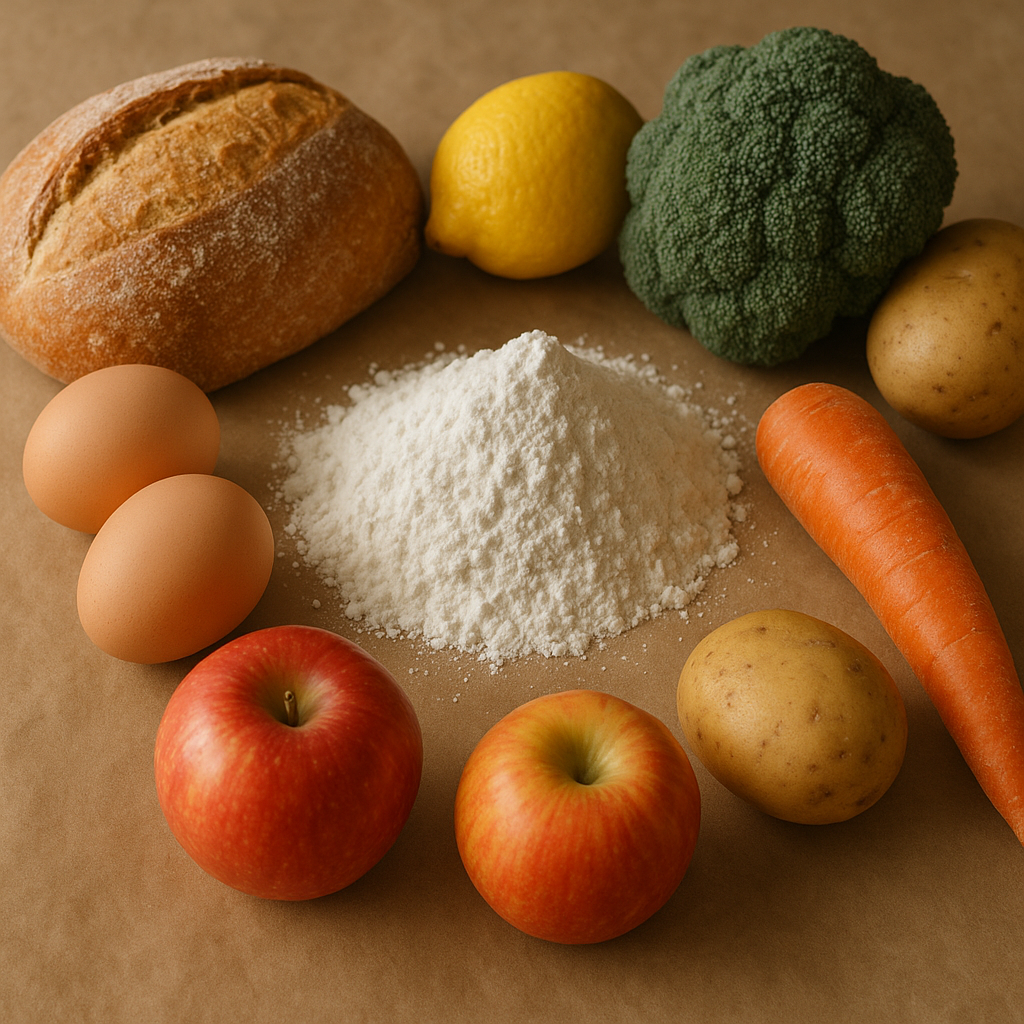
What it is
This is a finely milled wheat flour that has undergone a bleaching process. This characteristic makes it a popular choice for delicate baked goods where a tender crumb is desired. It is a staple ingredient found in many kitchens for a wide range of culinary applications.
How people cook with it
Flour is a fundamental ingredient in baking and cooking, serving as the base for countless recipes.
- Baking cakes and cookies
- Making bread and rolls
- Thickening sauces and gravies
- Coating fried foods
When using this flour, it's important to measure it accurately, typically by spooning it into a measuring cup and leveling it off without packing. For most baking, it is combined with other dry ingredients like sugar, leavening agents, and salt before being incorporated with wet ingredients. The bleaching process can affect how it interacts with moisture, so it often yields a lighter texture in finished products compared to unbleached varieties. It can be sifted for even finer results in delicate pastries.
How it differs from similar foods
Compared to unbleached flour, bleached flour has a whiter appearance and a softer texture. The chemical treatment it undergoes results in a flour that absorbs liquids differently and can produce a more tender crumb in baked goods, particularly cakes and pastries. Unbleached flour retains more of its natural color and can sometimes result in a slightly chewier texture.
Who it is for
Home bakers and cooks often choose this flour for its consistent performance in a variety of recipes.
How to keep the rest
To maintain its freshness, store the remaining flour in its original packaging or an airtight container. Keep it in a cool, dry place away from direct sunlight and strong odors. Proper storage helps prevent the flour from absorbing moisture or developing off-flavors, ensuring it remains suitable for future use.