
Grocery
Black Chia Seeds
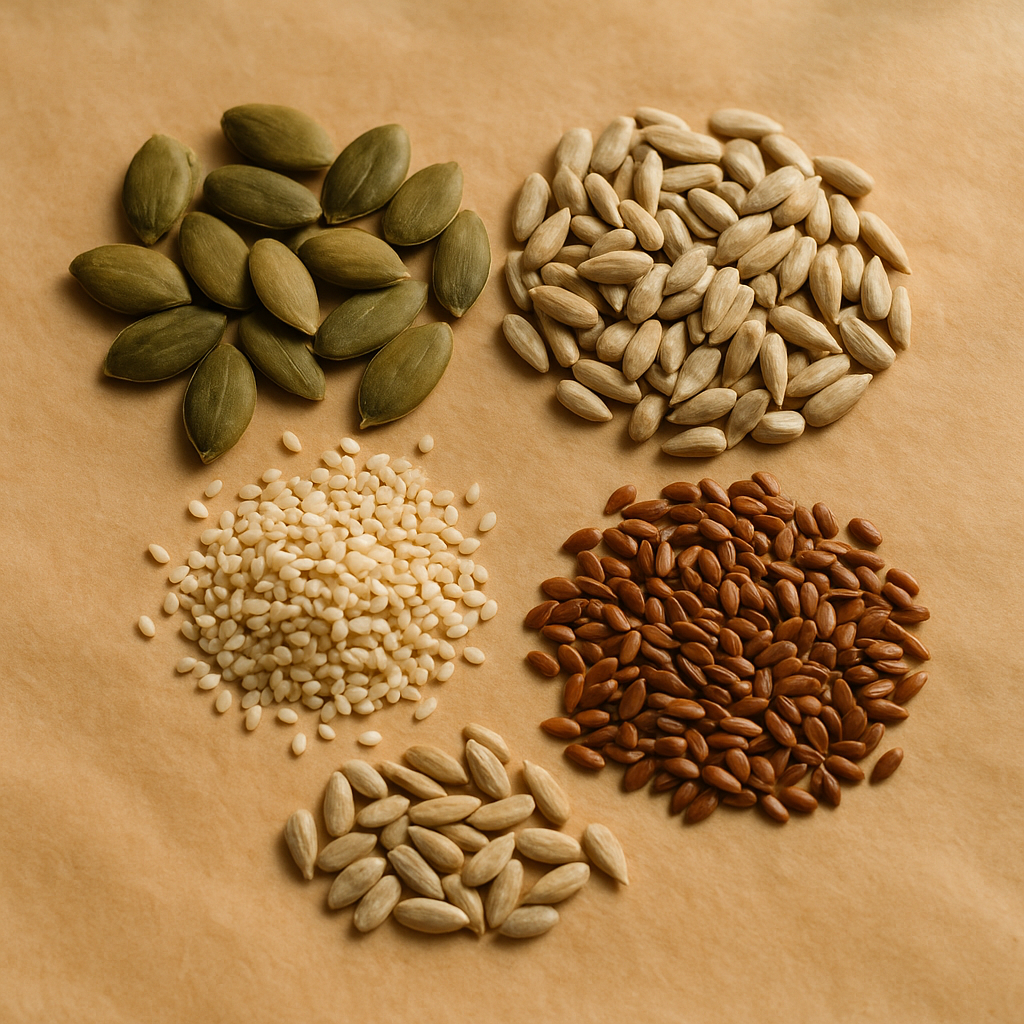
What it is
These are small, oval-shaped seeds that come from the Salvia hispanica plant, native to Mexico and Guatemala. They are known for their tiny size and dark color. When exposed to liquid, chia seeds absorb it and swell, forming a gel-like consistency. This unique property makes them useful in various culinary applications. They are a pantry staple for many home cooks seeking to add texture and substance to their meals.
How people cook with it
Chia seeds can be incorporated into both sweet and savory dishes, offering a subtle nutty flavor and a satisfying texture.
- Thickening smoothies
- Adding to yogurt
- Baking into muffins
- Making pudding
To prepare chia seeds, you can add them directly to liquids like water, milk, or juice. They will begin to absorb the liquid and gel up within minutes. For a pudding, a common ratio is about 1/4 cup of chia seeds to 1 cup of liquid, stirred well and left to sit for at least 20 minutes, or preferably overnight in the refrigerator. They can also be sprinkled dry onto cereals, salads, or incorporated into baked goods like bread, cookies, and muffins, where they will absorb moisture during baking.
How it differs from similar foods
The primary difference is their color. Some cooks may prefer black chia seeds for visual contrast in dishes, while others might choose white chia seeds for a more neutral appearance, especially in lighter-colored preparations.
Who it is for
Home cooks looking for versatile ingredients to enhance their meals will find chia seeds useful.
How to keep the rest
To maintain freshness, store chia seeds in an airtight container in a cool, dry place, away from direct sunlight. Properly stored, they can retain their quality for an extended period. Refrigeration is not typically necessary but can help prolong shelf life even further if desired.