
Grocery
Homemade Scalded Biscuits
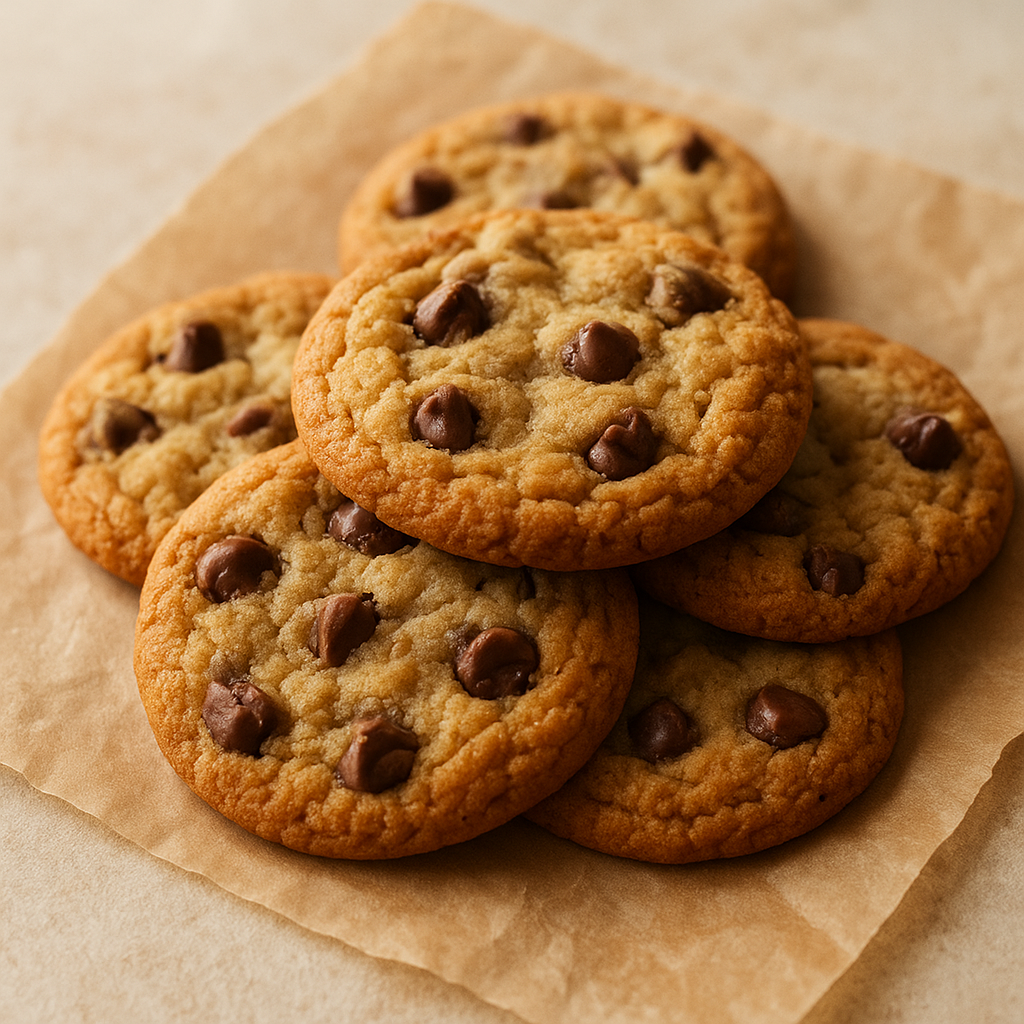
What it is
These are biscuits made using a scalding method, where hot liquid is incorporated into the dough. This process helps to hydrate the flour thoroughly, leading to a tender crumb and a slightly different texture compared to biscuits made with cold fat. They are often described as having a soft, almost cake-like interior with a delicate crust. The scalding technique is a traditional approach to biscuit making, aiming for a specific mouthfeel and structure.
How people cook with it
These biscuits are a versatile addition to any meal. They can be served alongside savory dishes or enjoyed on their own.
- Serve with gravy
- Enjoy with jam
- Pair with fried chicken
- Use for breakfast
To prepare, typically hot milk or water is combined with flour and other dry ingredients to form a dough. This mixture is then gently handled, often shaped into rounds or squares, and baked until golden brown. The scalding step is crucial for the final texture, creating a dough that is easy to work with and results in a soft, fluffy biscuit. They bake relatively quickly, filling the kitchen with a comforting aroma.
How it differs from similar foods
Unlike biscuits made with cold butter or shortening cut into the flour, the scalding method uses hot liquid. This results in a dough that is more hydrated and a finished biscuit that is typically softer and less flaky, with a more uniform crumb structure. The texture is often closer to a scone or a muffin in its tenderness.
Who it is for
Home cooks who appreciate traditional baking methods and desire a tender, soft biscuit will enjoy making and eating these.
How to keep the rest
Once cooled, any leftover biscuits should be stored in an airtight container at room temperature. For optimal freshness, consume within a couple of days. Reheating them gently in an oven or toaster oven can help revive their texture.