
Grocery
Aromatic Long Grain Basmati Rice
What it is
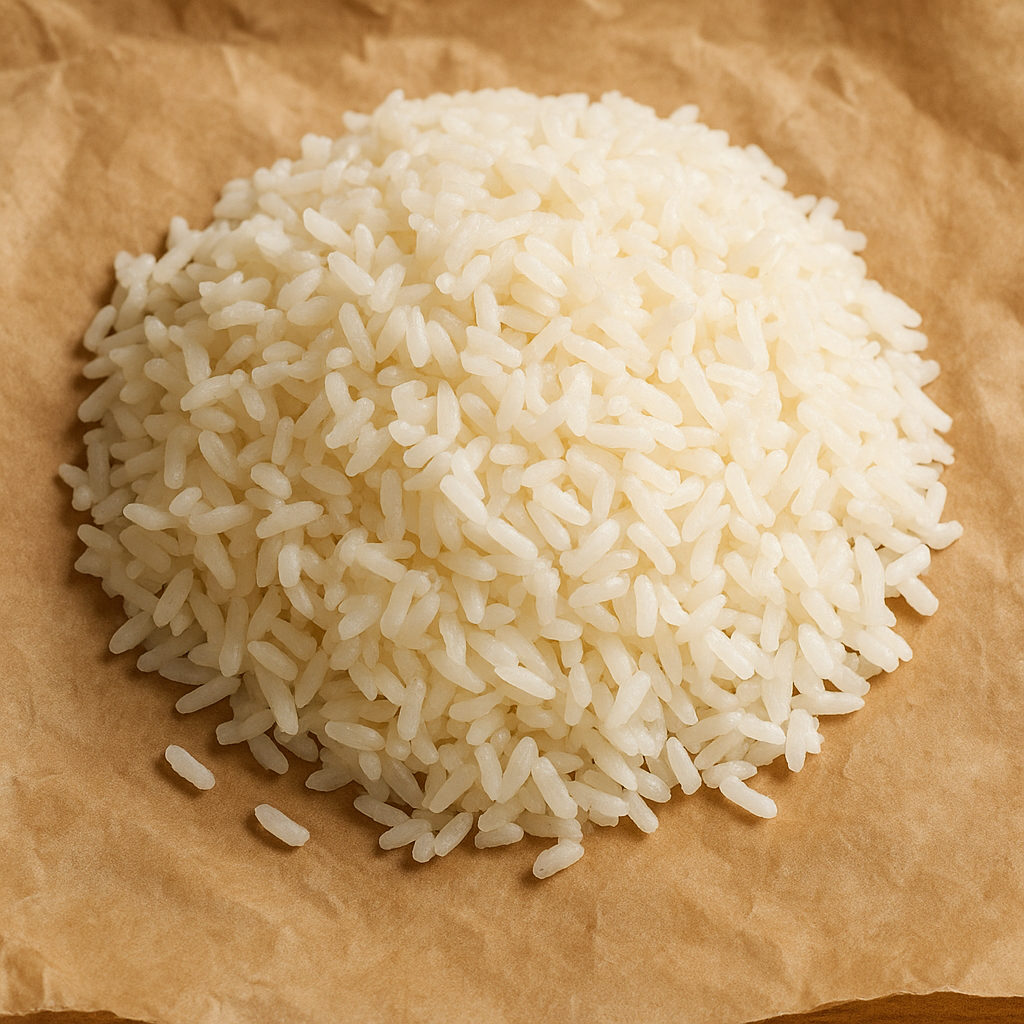
This is a variety of long-grain rice known for its distinctive aroma and delicate, slightly floral flavor. When cooked, basmati rice grains remain separate and fluffy, rather than clumping together. It is a staple grain in many cuisines, particularly in South Asia and the Middle East. The grains are typically elongated and slender, contributing to its elegant presentation in dishes.
How people cook with it
Basmati rice is a versatile grain that serves as a foundation for countless meals. Its unique texture and aroma make it a preferred choice for many culinary applications.
- Side dish for curries
- Base for pilafs
- Ingredient in rice salads
- Accompaniment to grilled meats
To prepare basmati rice, it is often recommended to rinse the grains thoroughly under cold water to remove excess starch. This step helps ensure the grains cook up fluffy and separate. After rinsing, the rice is typically combined with water or broth in a pot, brought to a boil, then reduced to a simmer, covered, and cooked until the liquid is absorbed and the grains are tender. Some prefer to toast the dry rice briefly in a little oil or butter before adding liquid for an enhanced nutty flavor. It can also be cooked in a rice cooker following the manufacturer's instructions.
How it differs from similar foods
Unlike shorter grain rice varieties which can become sticky when cooked, basmati rice grains are naturally drier and longer, resulting in a distinct separation after cooking. Its characteristic aroma also sets it apart from more neutral-tasting rice types.
Who it is for
Home cooks looking to add an aromatic and elegant grain to their meals will appreciate this rice.
How to keep the rest
Store uncooked basmati rice in a cool, dry place in an airtight container to maintain its freshness and prevent moisture absorption. Properly stored, it can last for a long time. Once cooked, refrigerate any leftovers promptly and consume within a few days.