
Grocery
Aromatic Long-Grain Basmati Rice
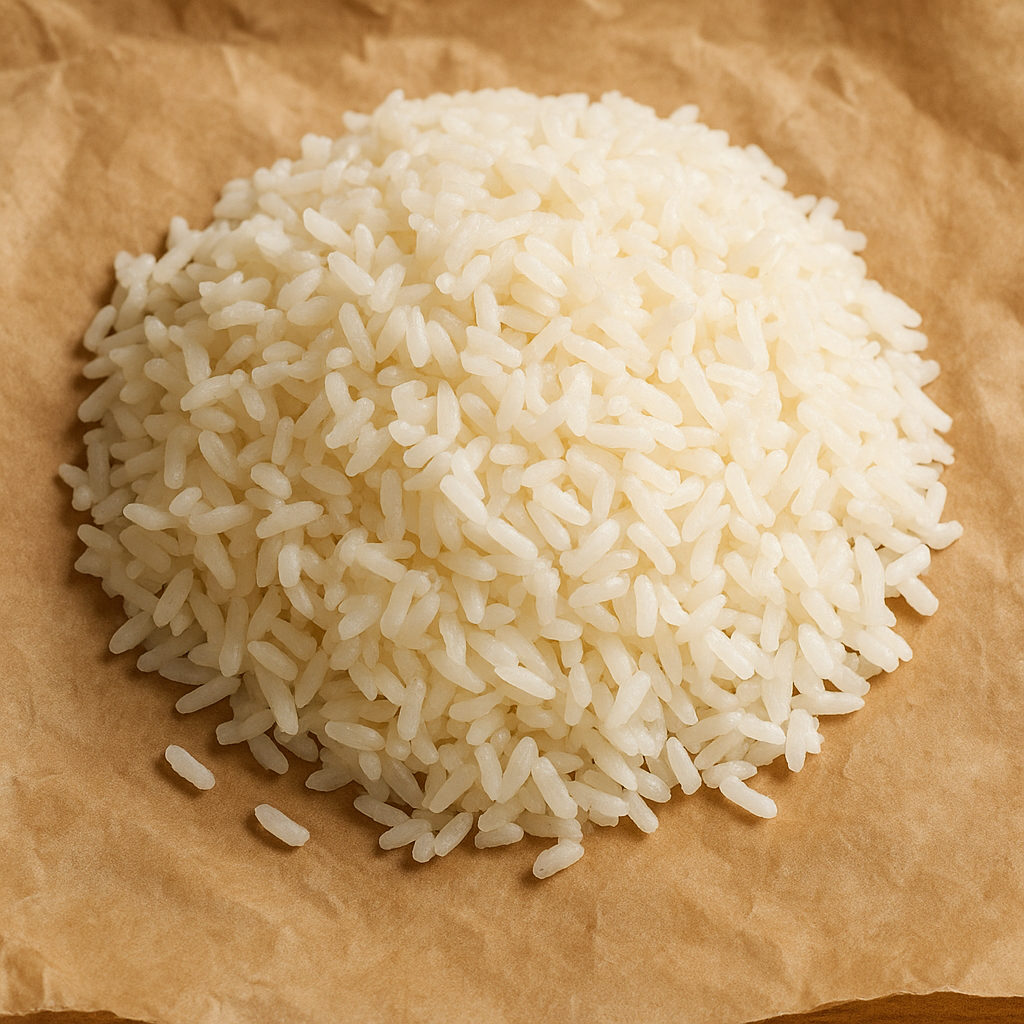
What it is
This is a variety of long-grain rice known for its distinctive aroma and delicate flavor. It is a staple in many cuisines, particularly in South Asia. The grains are typically slender and separate well after cooking, offering a fluffy texture. It is a plant-based food derived from cereal grains.
How people cook with it
Basmati rice is a versatile grain that forms the base for many savory dishes. Its unique fragrance makes it a popular choice for both everyday meals and special occasions.
- Side dish for curries
- Base for pilafs
- Ingredient in rice salads
- Accompaniment to grilled meats
To prepare basmati rice, it is often recommended to rinse the grains thoroughly under cold water until the water runs clear. This helps to remove excess starch, which contributes to a fluffier texture. After rinsing, the rice can be cooked by simmering it in a measured amount of water or broth, typically a ratio of about 1.5 to 2 parts liquid to 1 part rice. It is important to bring the liquid to a boil, then reduce the heat to low, cover, and let it cook undisturbed until all the liquid is absorbed and the rice is tender. Letting it steam for a few minutes after cooking enhances its texture.
How it differs from similar foods
Basmati rice is distinguished by its aromatic qualities, often described as nutty or floral, which is not as pronounced in other long-grain varieties. Its slender grains also tend to remain separate and fluffy when cooked, unlike some shorter or medium-grain rices that can become sticky.
Who it is for
Home cooks and professional chefs alike appreciate basmati rice for its culinary elegance.
How to keep the rest
Store uncooked basmati rice in a cool, dry place in an airtight container to protect it from moisture and pests. Properly stored, it can maintain its quality for an extended period, ensuring it remains fresh for future use. Avoid storing it near strong odors.