
Shoprite
Shoprite Balsamic Vinegar
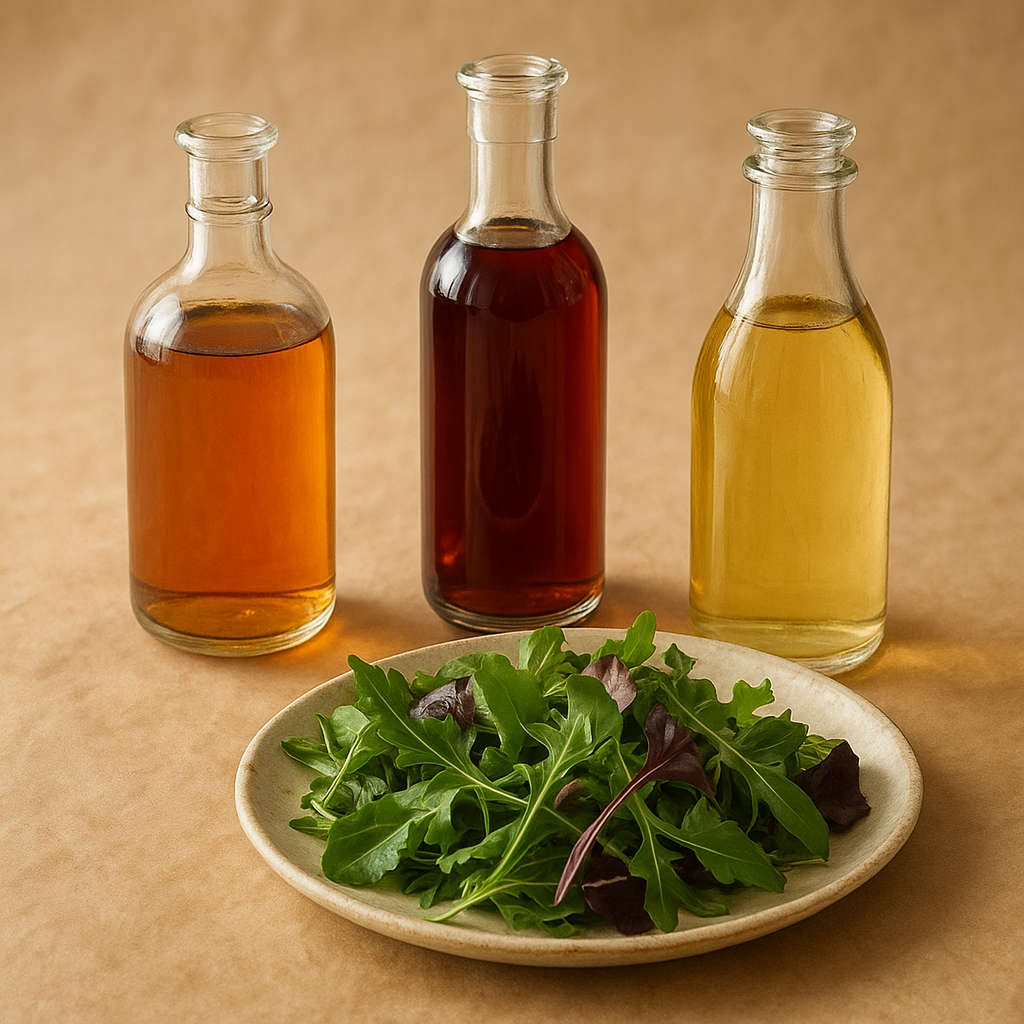
What it is
This is a dark, syrupy vinegar made from grape must. It undergoes a lengthy aging process, which contributes to its complex flavor profile. The vinegar is known for its sweet and tangy notes, with hints of fruitiness. Its rich color and viscous texture make it a distinctive ingredient in many culinary applications. The quality of balsamic vinegar can vary significantly based on its origin and the duration of its aging.
How people cook with it
Balsamic vinegar is a versatile condiment that can elevate a wide range of dishes. Its unique flavor profile makes it suitable for both sweet and savory preparations.
- Dressing for salads
- Marinade for meats
- Glaze for vegetables
- Dipping sauce for bread
Balsamic vinegar can be used in numerous ways in the kitchen. It is a classic component of vinaigrettes, often paired with olive oil and seasonings for a simple yet flavorful salad dressing. It can also be reduced to a thicker glaze, perfect for drizzling over roasted meats, poultry, or vegetables like Brussels sprouts and carrots. A splash of balsamic can add depth to sauces and stews. For a quick appetizer, it's excellent for dipping crusty bread alongside olive oil. It can even be incorporated into desserts, like drizzling over fresh fruit or ice cream.
How it differs from similar foods
Unlike common wine vinegars, balsamic vinegar is made from concentrated grape juice, giving it a distinct sweetness and depth. Its aging process is crucial; longer aging periods result in a more complex, mellow, and syrupy product. This makes it less sharp and more nuanced than many other types of vinegar.
Who it is for
Home cooks and professional chefs alike appreciate balsamic vinegar for its flavor-enhancing qualities.
How to keep the rest
To maintain its quality, store balsamic vinegar in a cool, dark place, away from direct sunlight and heat. Ensure the bottle is tightly sealed after each use. Refrigeration is generally not necessary unless specified by the producer, as the vinegar's acidity acts as a natural preservative.