
Culinary Circle
Culinary Circle Balsamic Vinegar of Modena
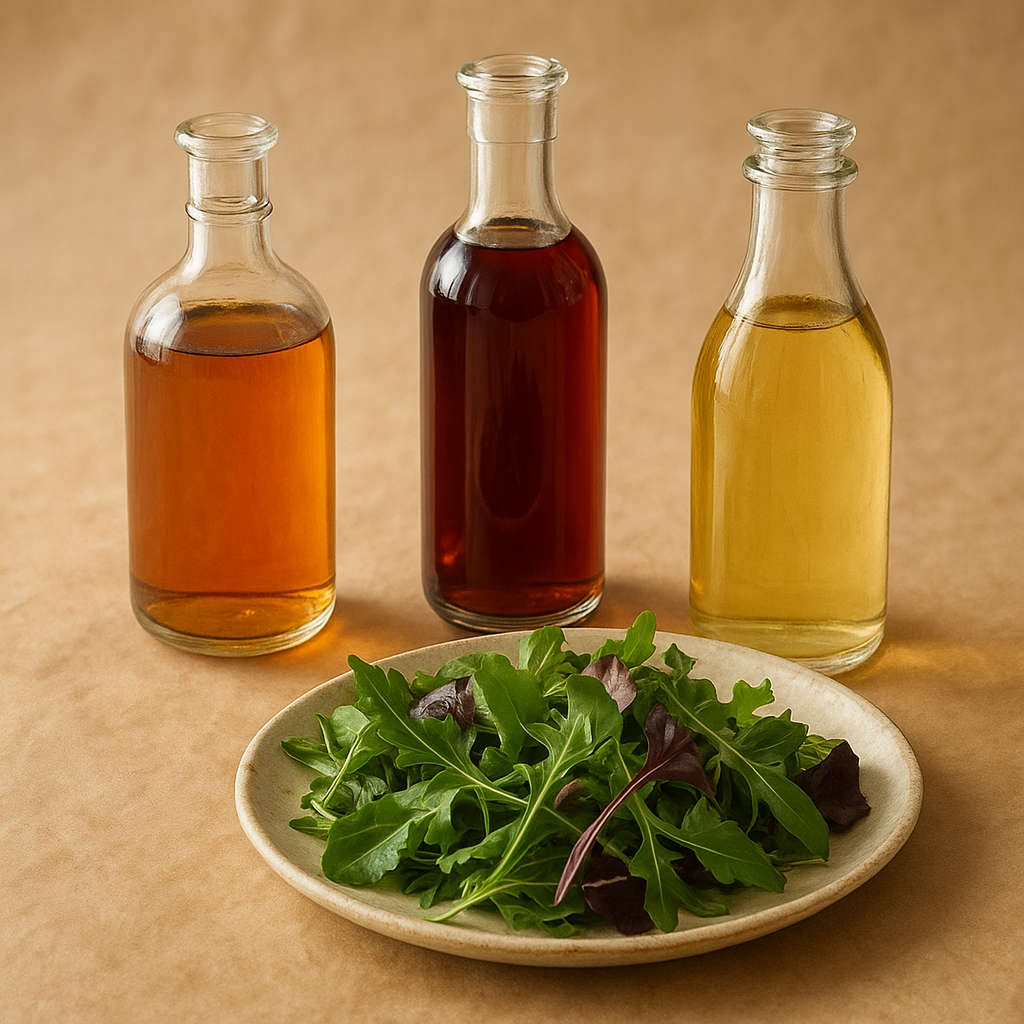
What it is
This is a dark, syrupy vinegar made from grape must that has been aged. It originates from the Modena region of Italy. The aging process gives it a complex flavor profile that is both sweet and tangy. It is a staple in many kitchens for its versatility and distinctive taste. The vinegar is produced following traditional methods, ensuring its quality and authenticity. It is a key ingredient for adding depth to various dishes.
How people cook with it
Balsamic vinegar is a versatile ingredient that can enhance both sweet and savory preparations. Its unique flavor profile makes it suitable for a wide range of culinary applications.
- Dressing for salads
- Marinades for meats
- Glazes for vegetables
- Finishing touch for desserts
You can use this balsamic vinegar in many ways. For salad dressings, whisk it with olive oil, salt, and pepper. It works wonderfully as a marinade for chicken, beef, or pork, tenderizing the meat and infusing it with flavor. Drizzle it over roasted vegetables like Brussels sprouts or asparagus to add a touch of sweetness and acidity. It can also be reduced into a glaze for a richer flavor. For a sweet finish, a small amount can be drizzled over fresh fruit or ice cream.
How it differs from similar foods
Compared to regular distilled white vinegar, balsamic vinegar of Modena has a much richer, sweeter, and more complex flavor. It also has a thicker consistency due to the aging process and the use of grape must. This makes it less sharp and more nuanced in taste.
Who it is for
Home cooks and professional chefs alike appreciate balsamic vinegar for its ability to elevate everyday meals.
How to keep the rest
To maintain its quality, store the balsamic vinegar in a cool, dark place away from direct sunlight. Ensure the bottle is tightly sealed after each use. It does not require refrigeration. Over time, it may thicken further, which is a natural process.