
Grocery
Balsamic Vinegar of Modena
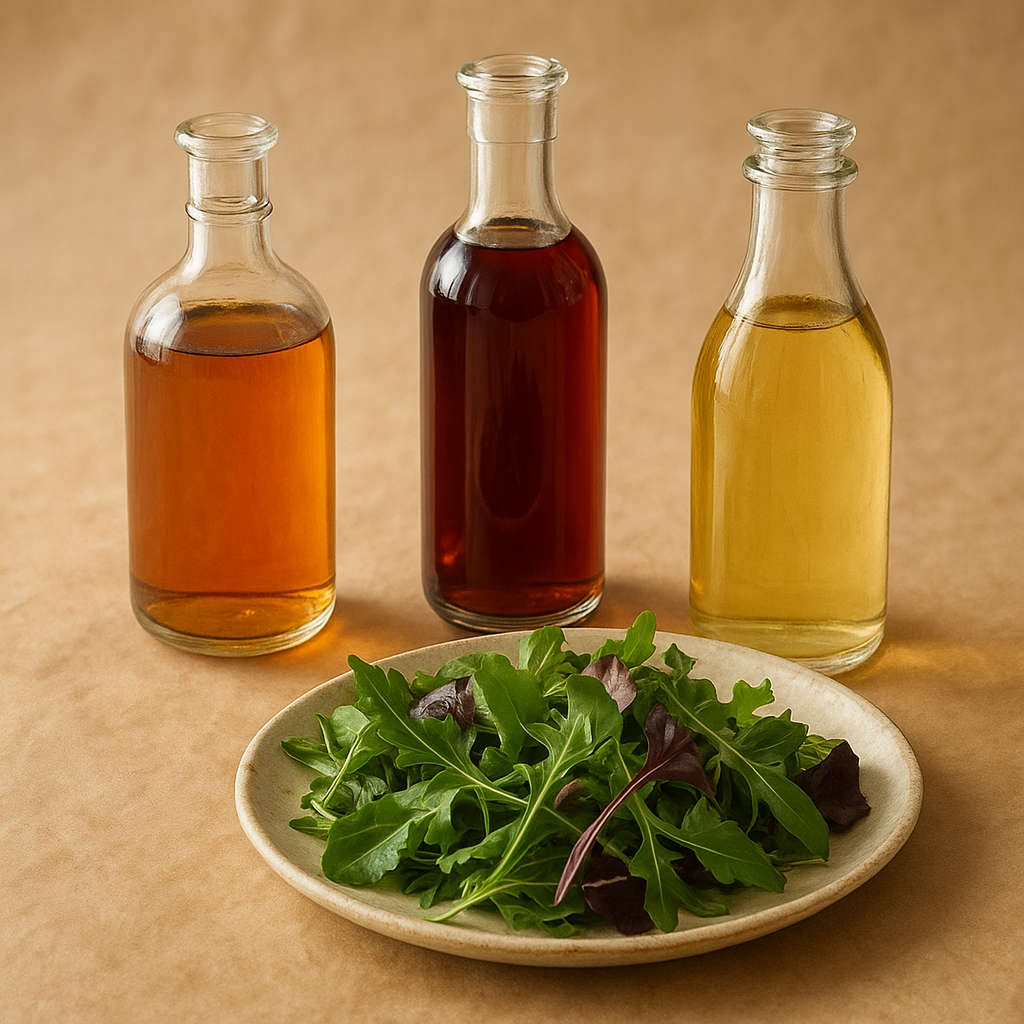
What it is
This is a dark, rich vinegar originating from the Modena region of Italy. It is made from grape must, which is cooked down and then aged in wooden barrels. The aging process contributes to its complex flavor profile, which is both sweet and tangy. The vinegar has a syrupy consistency that can vary depending on its age and production method. It is a staple in many kitchens for its distinctive taste.
How people cook with it
Balsamic vinegar is a versatile ingredient used in both cooking and as a finishing touch.
- Salad dressings
- Marinades
- Glazes
- Dipping sauce
Balsamic vinegar can be used in numerous ways. It is excellent when whisked into a vinaigrette for salads, often paired with olive oil. It can also be incorporated into marinades for meats, poultry, and vegetables, adding depth and a slight sweetness. For a rich glaze, it can be reduced by simmering until it thickens. A drizzle of good quality balsamic vinegar can elevate the flavor of roasted vegetables, grilled meats, or even fresh fruits like strawberries. It is also commonly served with cheese or bread.
How it differs from similar foods
Compared to standard white or red wine vinegars, balsamic vinegar of Modena is significantly sweeter and has a more complex, fruity aroma. Its darker color and thicker consistency also set it apart. The aging process is a key differentiator, contributing to its unique depth of flavor that is less sharp than other vinegars.
Who it is for
Home cooks and professional chefs alike appreciate its unique flavor.
How to keep the rest
Once opened, balsamic vinegar should be stored in a cool, dark place, away from direct sunlight and heat. It does not require refrigeration. Ensure the bottle is tightly sealed to preserve its flavor and aroma. Over time, the flavor may continue to develop, especially with longer aging.