
Grocery
Balsamic Vinegar
What it is
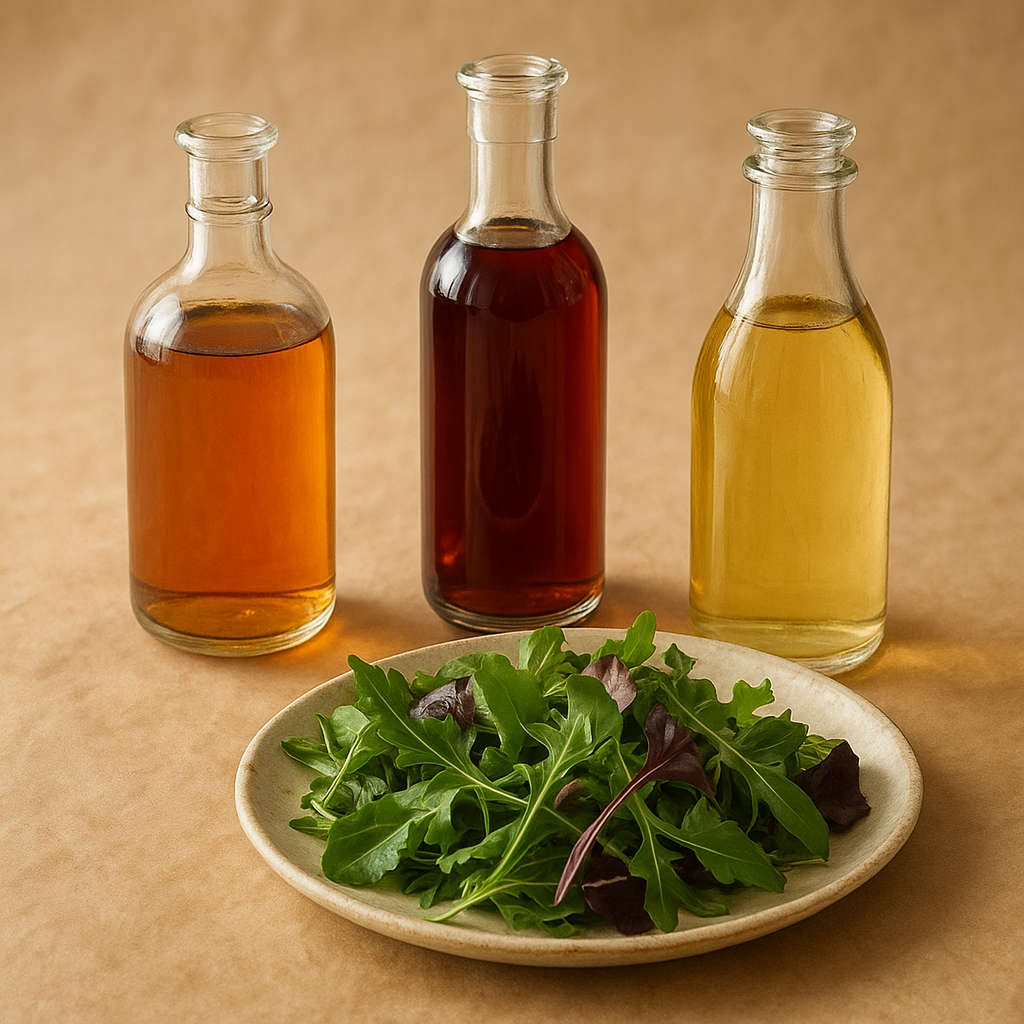
Balsamic vinegar is a dark, intensely flavored vinegar originating from Italy. It is made from grape must, which is cooked down to a syrup and then aged for years in wooden barrels. This aging process develops its characteristic complex sweetness and depth. It is not a simple vinegar; it is a condiment with a rich history and a unique production method that sets it apart from other vinegars.
How people cook with it
Balsamic vinegar adds a sophisticated touch to a wide range of dishes. Its versatility makes it a staple in many kitchens.
- Drizzled over salads
- Reduced for glazes
- Marinades for meats
- Finishing sauces
Balsamic vinegar can be used in many ways. A simple vinaigrette is made by whisking it with olive oil, salt, and pepper. For a richer flavor, it can be reduced by simmering it gently on the stovetop until it thickens into a syrupy glaze. This glaze is excellent for finishing roasted vegetables, grilled meats, or even drizzled over fresh fruit. It can also be incorporated into marinades to tenderize and flavor proteins before cooking.
How it differs from similar foods
Unlike common wine vinegars, balsamic vinegar is made from grape must and undergoes a lengthy aging process. This results in a sweeter, more complex flavor profile with notes of fruit and wood, whereas other vinegars are typically sharper and more acidic.
Who it is for
Home cooks and professional chefs alike use balsamic vinegar to elevate their culinary creations.
How to keep the rest
Store balsamic vinegar in a cool, dark place, away from direct sunlight and heat. Ensure the bottle is tightly sealed to preserve its flavor and aroma. It does not require refrigeration, even after opening, and will maintain its quality for a long time.