
Progresso
Progresso Balsamic Vinegar
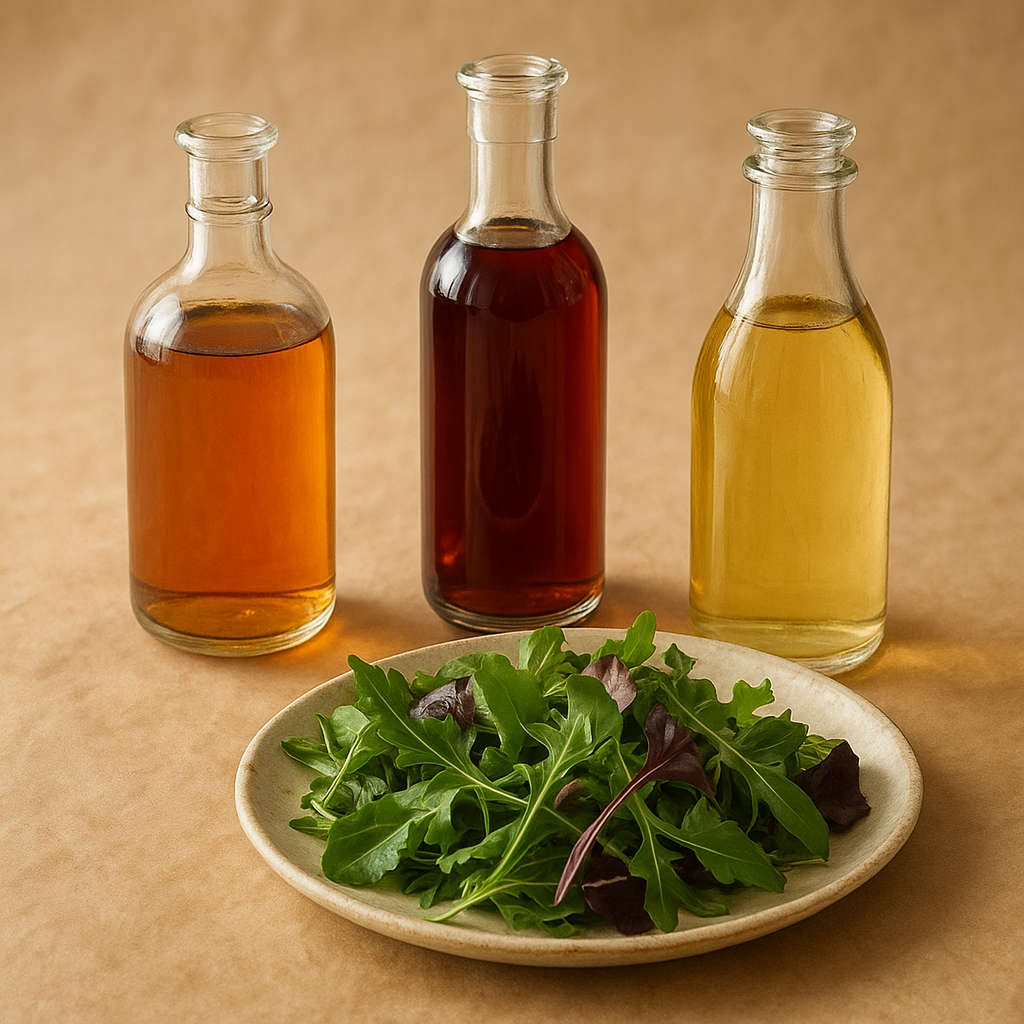
What it is
This is a dark, syrupy vinegar made from grape must, which is the unfermented juice of grapes. It is aged for a significant period, contributing to its complex flavor profile. The aging process allows the sugars in the grape must to caramelize, resulting in a rich, sweet, and tangy taste. It is a staple in many kitchens for its versatility and distinctive character. This particular balsamic vinegar offers a balance of acidity and sweetness.
How people cook with it
Balsamic vinegar is a versatile ingredient that can enhance a wide range of dishes. It is often used in dressings and marinades.
- Salad dressings
- Marinades for meats
- Glazes for vegetables
- Finishing drizzle
Balsamic vinegar can be used in numerous ways in cooking. It is a classic component of vinaigrettes, often paired with olive oil, salt, and pepper. It can also be reduced into a glaze by simmering it gently until it thickens, which is excellent for drizzling over roasted meats, poultry, or vegetables. A small amount can add depth to sauces, stews, or even fruit salads. For a simple yet elegant touch, it can be drizzled directly onto caprese salad or grilled cheese sandwiches.
How it differs from similar foods
Compared to other vinegars like red wine or apple cider vinegar, balsamic vinegar has a distinct sweetness and a less sharp acidity. Its darker color and thicker consistency are also key differences, stemming from its unique production and aging process involving grape must.
Who it is for
Home cooks and professional chefs alike use balsamic vinegar to add a sophisticated flavor to their culinary creations.
How to keep the rest
To maintain its quality, store balsamic vinegar in a cool, dark place, away from direct sunlight and heat. Ensure the bottle is tightly sealed after each use. It does not require refrigeration, even after opening, and will keep well for an extended period.