
Grocery
Balsamic Vinegar
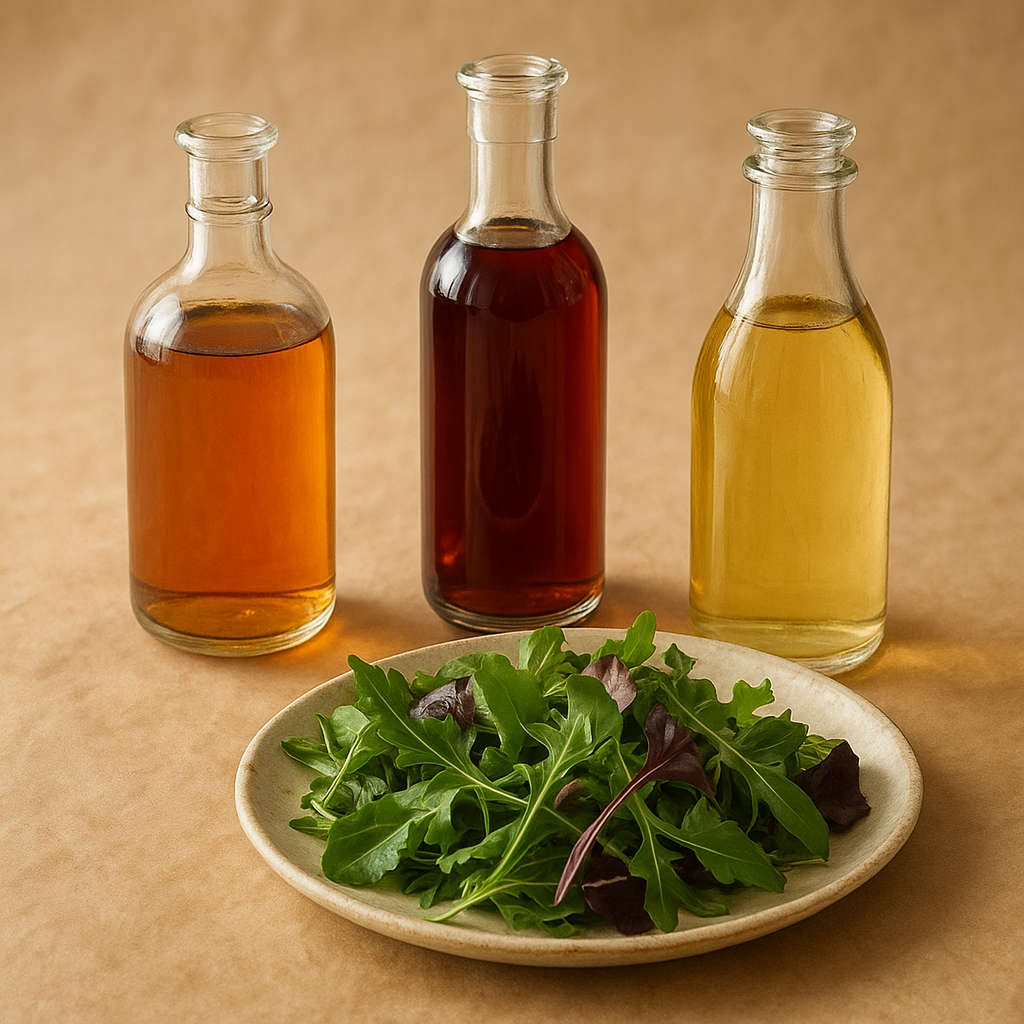
What it is
Balsamic vinegar is a dark, intensely flavored vinegar originating from Italy. It is made from grape must, which is the unfermented juice of grapes. The must is boiled down to a concentrate and then aged for a long period, often in wooden barrels. This aging process develops its complex sweet and tangy taste, along with its characteristic deep brown color and syrupy consistency.
How people cook with it
This versatile condiment adds depth and brightness to a wide range of dishes. It can be used both in cooking and as a finishing element.
- Dressing for salads
- Marinades for meats
- Glazes for vegetables
- Dipping sauce for bread
Balsamic vinegar is incredibly adaptable in the kitchen. It can be whisked into salad dressings, often paired with olive oil, to create a classic vinaigrette. For marinades, it tenderizes meats and imparts a rich flavor. It can also be reduced by simmering to create a thick, sweet glaze that is perfect for drizzling over roasted vegetables, grilled chicken, or even fruit. A small amount can elevate the flavor of soups and stews.
How it differs from similar foods
Compared to other vinegars like red wine or apple cider vinegar, balsamic has a distinct sweetness and a less sharp acidity. Its flavor profile is more nuanced, with notes of fruit and wood from the aging process, making it a more complex addition to meals.
Who it is for
Home cooks and professional chefs alike use balsamic vinegar to enhance the taste of their culinary creations.
How to keep the rest
After opening, balsamic vinegar should be stored in a cool, dark place, such as a pantry or cupboard. It does not require refrigeration. Ensure the bottle is tightly sealed to preserve its flavor and prevent evaporation. Properly stored, it can maintain its quality for an extended period.