
Gia Russa
Gia Russa Balsamic Vinegar
What it is
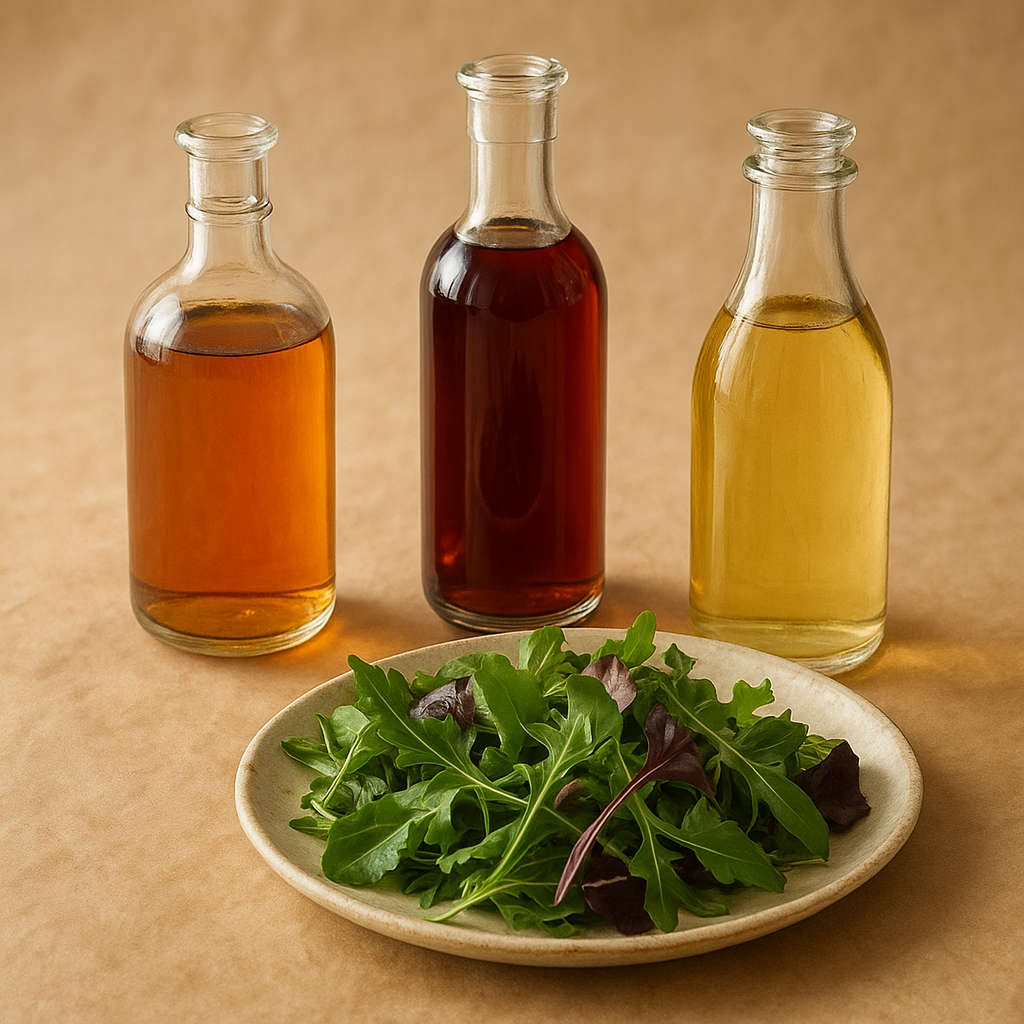
This is a dark, rich vinegar produced in Italy. It is made from grape must that has been aged for a significant period. The aging process contributes to its complex flavor profile, which is both sweet and tangy. It has a syrupy consistency that makes it a versatile ingredient in many dishes. The deep color comes from the reduction of the grape juice during aging.
How people cook with it
Balsamic vinegar is a staple in many kitchens, used to add depth and brightness to a wide range of foods.
- Dressing for salads
- Marinade for meats
- Glaze for vegetables
- Finishing drizzle for dishes
It can be used in salad dressings, often mixed with olive oil and seasonings. It works well as a marinade for chicken, beef, or pork, tenderizing the meat and adding flavor. When reduced further, it creates a delicious glaze for roasted vegetables like Brussels sprouts or carrots. A small amount can also be drizzled over finished dishes, such as grilled fish or even fresh strawberries, to enhance their taste. Its versatility allows it to be incorporated into both savory and sweet preparations.
How it differs from similar foods
Unlike common wine vinegars, balsamic vinegar undergoes a lengthy aging process. This aging develops a sweeter, more complex flavor and a thicker consistency. Other vinegars are typically sharper and thinner, meant for different culinary applications where a less intense tang is desired.
Who it is for
Home cooks and professional chefs alike appreciate its unique flavor.
How to keep the rest
To maintain its quality, store the bottle in a cool, dark place away from direct sunlight. Ensure the cap is tightly sealed after each use to prevent evaporation and preserve its flavor. It does not require refrigeration.