
Bob's Red Mill · 450 g
Bob's Red Mill Baking Soda
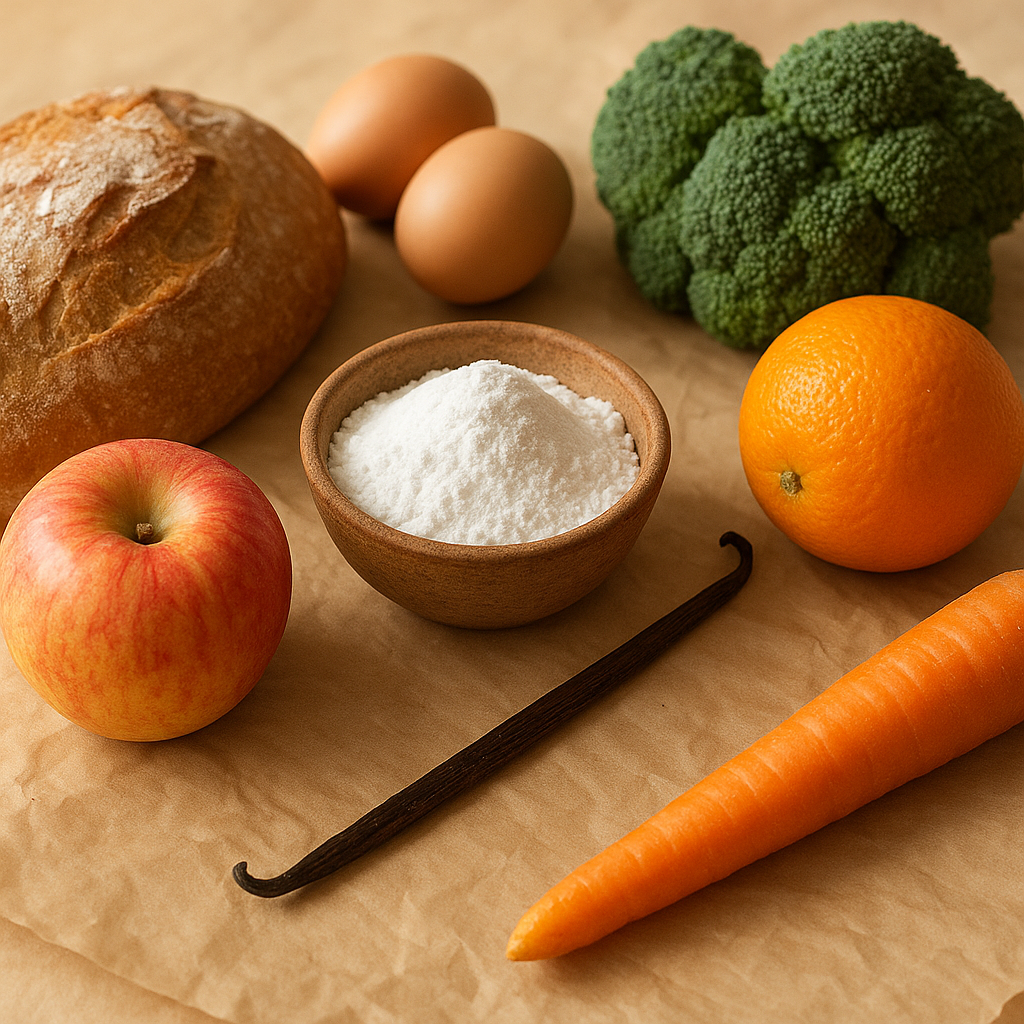
What it is
This is a common leavening agent used in baking. It is a white crystalline powder that is naturally occurring. It is a basic salt that reacts with acidic ingredients to produce carbon dioxide gas. This gas causes baked goods to rise and become light and fluffy. It is a staple in many kitchens for a wide variety of baking applications.
How people cook with it
Baking soda is essential for creating lift and texture in many baked goods. It also has other common household uses.
- Leavening in cakes and cookies
- Neutralizing odors
- Cleaning surfaces
- Soaking vegetables
In baking, baking soda is typically combined with acidic ingredients such as buttermilk, yogurt, brown sugar, or lemon juice. The reaction between the soda and the acid creates bubbles of carbon dioxide. These bubbles expand when heated in the oven, causing the dough or batter to rise. It is important to measure baking soda accurately, as too much can result in a bitter or soapy taste and a metallic aftertaste. It is often used in conjunction with baking powder for optimal results.
How it differs from similar foods
Baking soda is a pure leavening agent that requires an acid to activate. Baking powder, on the other hand, contains both an acid and a base, making it a complete leavening system that activates with moisture and heat. Baking soda is much stronger than baking powder and is used in smaller quantities.
Who it is for
Home bakers and cooks rely on baking soda for consistent results in their recipes.
How to keep the rest
Store baking soda in a cool, dry place in its original container or an airtight one. Keep it away from moisture and strong odors, as it can absorb them. Ensure the lid is tightly sealed to maintain its effectiveness as a leavening agent and odor absorber.